
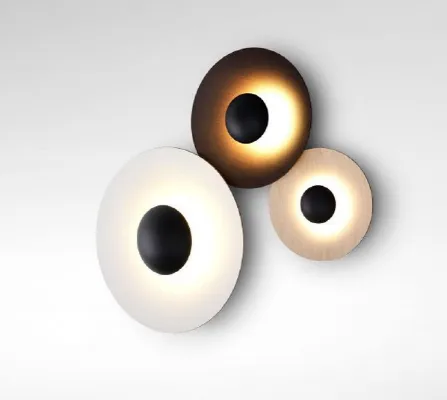
In the world of architecture, every detail matters. From the grand sweep of a building's façade to the soft glow of a wall lamp in a hotel lobby, these elements come together to shape how people experience a space. For architects, finding a wall lamp supplier that understands both aesthetics and functionality is often a challenge—one that Coloria, a leading one-stop architectural solution provider, has spent decades solving. With deep roots in Saudi Arabia and a global network of partners, Coloria isn't just manufacturing wall lamps; it's collaborating with top architects to turn design visions into reality.
Picture this: An architect in Riyadh is designing a luxury commercial tower, aiming to blend traditional Middle Eastern motifs with modern sustainability. They need wall lamps that not only complement the building's architectural façade solutions but also meet strict energy efficiency standards. Enter Coloria. As a trusted Saudi Arabia building materials supplier, Coloria doesn't just hand over a catalog of off-the-shelf products. Instead, its team sits down with the architect, discusses the project's story, and crafts customized decorative lighting solutions that align with every design nuance. This is the heart of Coloria's approach: building partnerships, not just transactions.
Wall lamps are more than just sources of light—they're functional art. A well-designed wall lamp can highlight a textured stone wall, create ambient lighting in a residential living room, or guide guests through a hotel corridor. Coloria understands this duality, which is why its wall lamp solutions are engineered to balance form and function. Whether it's a sleek, minimalist fixture for a modern office or a handcrafted brass lamp with intricate patterns for a heritage building, Coloria's range caters to the diverse needs of architects working on residential and commercial projects alike.
What sets Coloria apart from other wall lamp manufacturers? For starters, its commitment to materials. The company sources high-quality metals, glass, and sustainable composites, ensuring that each lamp isn't just beautiful but durable enough to withstand the harsh climates of regions like the Middle East. "We once worked with an architect on a beachfront hotel in Jeddah," recalls a Coloria product designer. "The wall lamps needed to resist saltwater corrosion while still looking elegant. We developed a special coating and used marine-grade aluminum—solutions that came from understanding the project's unique environment."
But it's not just about durability. Coloria's wall lamps are designed with versatility in mind. Many of its models are adjustable, allowing architects to control the direction and intensity of light, while others integrate smart technology, such as motion sensors or dimming features, to enhance user experience. For a recent residential project in Dubai, an architect wanted wall lamps that could transition from bright task lighting during the day to warm ambient light in the evening. Coloria's team developed a dual-mode lamp with customizable LED settings, proving that as a customized decorative lighting supplier, it thrives on turning specific design requests into tangible products.
Collaboration is at the core of Coloria's process. Unlike traditional manufacturers that operate in silos, Coloria embeds itself in the architect's workflow, from the initial design phase to project delivery. Let's take a closer look at how this partnership works through a real-world example: the Al-Mansoori Tower, a 40-story commercial building in Riyadh completed in 2024.
The Challenge: The tower's architect, a renowned firm specializing in sustainable design, wanted wall lamps that would accentuate the building's curved glass façade and reduce energy consumption. They also needed the lamps to integrate with the tower's smart lighting system, allowing for remote control and scheduling.
Coloria's Solution: Coloria's team started by analyzing the tower's blueprints and attending site visits to understand how natural light interacted with the façade throughout the day. They proposed a series of slim, curved wall lamps made from recycled aluminum—lightweight enough to mount on the glass panels without compromising structural integrity. The lamps featured LED bulbs with adjustable color temperatures, shifting from cool white during work hours to warm amber in the evening, reducing eye strain for office workers.
The Result: Today, the Al-Mansoori Tower's wall lamps are one of its most talked-about features. Not only do they cut energy usage by 30% compared to standard fixtures, but they also create a stunning visual effect at night, with the curved lamps mimicking the tower's silhouette. "Coloria didn't just deliver lamps—they delivered a lighting strategy," says the project's lead architect. "Their ability to align with our sustainability goals and design vision made them an invaluable partner."
| Project Type | Location | Wall Lamp Features | Architect Feedback |
|---|---|---|---|
| Luxury Hotel | Dubai, UAE | Brass finish, dimmable LEDs, traditional geometric patterns | "Felt like an extension of our design team—they got the cultural references spot on." |
| Residential Complex | Jeddah, Saudi Arabia | Solar-powered, motion-sensor activated, weather-resistant | "Reduced our clients' utility bills while keeping the design cohesive." |
| Hospital | Riyadh, Saudi Arabia | Class A fireproof materials, anti-microbial coating, soft white light | "Met strict healthcare regulations without sacrificing aesthetics." |
While wall lamps are a cornerstone of Coloria's lighting portfolio, what truly makes it a preferred partner for architects is its identity as a one-stop architectural solution provider. Imagine an architect working on a mixed-use development—they need not just wall lamps, but also flooring, ceiling tiles, bathroom fixtures, and even sustainable building materials to meet Saudi Arabia's 2030 Vision goals. Instead of coordinating with multiple suppliers, Coloria handles it all, ensuring consistency in quality, delivery timelines, and design language.
Take the Al-Nahda Residential Complex in Jeddah, for example. The project required wall lamps for common areas, solar panels for energy efficiency, and custom kitchen cabinets for each apartment. Coloria supplied all three, with the wall lamps' warm wood accents matching the cabinets' finish, creating a unified look across the complex. "It saved us countless hours of coordination," says the project manager. "Coloria's ability to integrate so many products under one roof meant fewer delays and a more cohesive final result."
Another key advantage is Coloria's deep understanding of the Saudi Arabian market. As a local building materials supplier with decades of experience, the company knows the region's unique challenges—from extreme temperatures that demand durable materials to cultural preferences that influence design choices. For architects unfamiliar with the Middle East, this local expertise is invaluable. Coloria's team can advise on everything from which wall lamp finishes resist sand erosion to how to align projects with Saudi Arabia's 2030 Vision, which emphasizes and sustainability.
In today's world, sustainability isn't just a buzzword—it's a requirement. Architects are under increasing pressure to reduce carbon footprints, and Coloria is rising to the challenge. As a provider of green (green building materials) aligned with global "dual carbon" goals, Coloria's wall lamps are designed with the environment in mind. Many models use recycled materials, while others are compatible with solar power systems—another product in Coloria's extensive lineup.
Consider the company's latest innovation: a wall lamp with a built-in motion sensor and solar-rechargeable battery. Designed for outdoor use in residential communities, the lamp harvests sunlight during the day and automatically turns on at dusk, dimming when no motion is detected to save energy. In a pilot project in Riyadh, these lamps reduced community lighting costs by 45% and cut carbon emissions by 20 tons annually. "Sustainability isn't about sacrificing design—it's about reimagining it," says Coloria's sustainability director. "Our wall lamps prove that you can have both beauty and eco-friendliness."
As Saudi Arabia marches toward its 2030 Vision and the global construction industry embraces digitalization and sustainability, Coloria isn't resting on its laurels. The company is investing heavily in R&D, exploring new materials like bamboo charcoal board (a sustainable alternative to traditional wood) for wall lamp bases and integrating smart technology that allows lamps to "learn" user behavior and adjust lighting accordingly.
But perhaps most importantly, Coloria is doubling down on its partnerships with architects. The company recently launched a "Design Lab" initiative, inviting top architects to collaborate on limited-edition wall lamp collections that push the boundaries of design. These collaborations will not only result in unique products but also foster a community of innovators working together to shape the future of architecture.
For architects, this means more than just access to cutting-edge wall lamps—it means a partner who shares their passion for creating spaces that inspire. As one architect put it: "Working with Coloria feels like working with a fellow designer. They don't just supply materials; they contribute ideas, solve problems, and care as much about the final result as we do."
In the end, wall lamps are more than just fixtures—they're storytellers. They illuminate the work of architects, highlight the beauty of buildings, and create moments of connection for the people who use those spaces. Coloria, as a wall lamp supplier, one-stop architectural solution provider, and champion of sustainability, is helping write those stories. With its blend of local expertise, global vision, and unwavering commitment to partnership, Coloria isn't just manufacturing wall lamps—it's lighting the path for the future of architecture.
So the next time you walk into a building and pause to admire the wall lamp casting a warm glow, take a moment to think about the collaboration behind it. Chances are, Coloria was there, working hand-in-hand with an architect to turn a vision into something tangible. Because at the end of the day, great architecture isn't built alone—it's built with partners who care.
Recommend Products












