
How strategic lighting design and the right supplier partnership can transform every corner of your hotel property
Lighting is one of the most powerful yet often overlooked elements in hospitality design. It shapes first impressions, influences guest mood, and directly impacts a hotel's bottom line. For hotel owners, interior designers, and procurement managers, choosing the right lighting solutions is not just about aesthetics — it is a strategic decision that affects energy costs, maintenance overhead, and overall guest satisfaction. In this guide, we explore how thoughtful lighting design can transform every corner of a hospitality property, from the grand lobby to the quiet guest corridor, and how partnering with a reliable hospitality lighting supplier can make all the difference.
The lobby is the heart of any hotel. It is where guests form their first and last impressions, and the lighting here must strike a balance between grandeur and warmth. High-ceilinged lobbies often call for statement chandeliers & pendant light installations that serve as visual anchors, drawing the eye upward and reinforcing the hotel's brand identity. However, chandeliers alone are not enough. A layered lighting approach — combining ambient illumination with accent spotlights and task lighting at the reception desk — ensures both functionality and atmosphere.
The reception desk, in particular, requires higher illuminance to facilitate smooth check-in and check-out processes. Meanwhile, seating areas benefit from softer, warmer lighting that invites guests to relax. A growing number of hotel designers are turning to magnetic track light systems for their flexibility, allowing them to adjust beam angles and reposition fixtures as lobby layouts evolve over time. These systems are particularly valuable in multifunctional lobby spaces that host everything from morning coffee service to evening cocktail receptions.
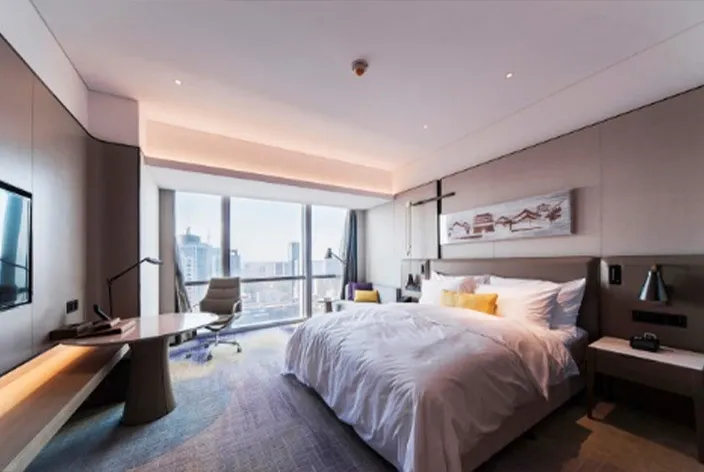
Guest rooms are where visitors spend the majority of their time, and the lighting must support a range of activities — reading, working, grooming, and unwinding. A one-size-fits-all approach simply does not work. Instead, designers should implement a multi-layered scheme that includes ambient ceiling lights, focused reading lamps, and well-lit vanity mirrors.
Color temperature plays a critical role. Warm tones around 2700K to 3200K create a cozy, residential feel that helps guests decompress after a long day. In the bathroom area, high-CRI lighting ensures accurate color rendering at the mirror, while strategically placed strip light installations under vanities or along ceiling coves add a touch of modern elegance without glare. Smart lighting controls are becoming increasingly popular in upscale properties, giving guests the ability to adjust brightness and scene settings from a bedside panel or mobile app. This not only enhances the guest experience but also contributes to meaningful energy savings.
Dining spaces within hotels serve multiple purposes — from buffet breakfasts to fine-dining dinners — and the lighting must adapt accordingly. Restaurant lighting is a specialized discipline that requires careful consideration of the cuisine type, target clientele, and desired ambience. For all-day dining restaurants, a balanced combination of natural light during the day and warm, dimmable artificial light in the evening works best.
Fine-dining establishments rely heavily on accent lighting to highlight table settings and create intimate dining zones. Pendant lights hung low over individual tables define personal space while contributing to the overall decorative scheme. Buffet stations and food display areas need bright, high-CRI lighting to make dishes look fresh and appetizing. LED track lights and adjustable spotlights are ideal for these zones, offering both precision and energy savings. The color temperature in dining areas should remain warm — around 3000K — to create an inviting atmosphere that encourages guests to linger and enjoy their meals.
Hotel corridors are often treated as an afterthought, but they play a crucial role in the guest journey. A poorly lit corridor can feel unsettling, while a well-lit one provides a sense of safety and orientation. Linear lighting along the baseboards or ceiling coves creates a gentle rhythm that guides guests toward their rooms. Wall-mounted sconces at regular intervals add visual interest and break up long stretches of wall.
The key is to avoid harsh overhead lighting that creates unflattering shadows. Instead, indirect lighting solutions — such as cove-mounted strip lights — produce a soft, even glow that makes narrow corridors feel wider and more inviting. Motion-sensor or dimmable systems can also reduce energy consumption during low-traffic hours while maintaining a welcoming atmosphere.
A hotel's exterior lighting is its signature after dark. Facade illumination, landscape lighting, and entrance lighting work together to create curb appeal and reinforce brand identity. Outdoor lighting serves multiple functions: ensuring guest safety and wayfinding, accentuating architectural features, and creating an inviting atmosphere for arrivals at night.
Pathway bollards, wall-mounted fixtures, and uplights aimed at trees or architectural details all contribute to a cohesive exterior lighting scheme. For hotels with gardens, terraces, or pool areas, waterproof LED fixtures and solar-powered garden lights provide both functionality and aesthetic appeal. Energy-efficient LED solutions are now the industry standard, offering long lifespans and low maintenance requirements — critical for properties that operate around the clock.
Off-the-shelf lighting fixtures can only take a project so far. For hotels that want to stand out in a competitive market, customized decorative lighting offers a powerful way to express brand identity. From bespoke lobby chandeliers that incorporate the hotel's logo motif to custom wall sconces that echo local cultural elements, tailored lighting solutions create memorable visual signatures that guests associate with their stay.
Customization also extends to technical specifications. Fixtures can be engineered to meet specific lumen outputs, beam angles, color temperatures, and dimming protocols that align with the project's overall lighting design plan. This level of control ensures that every fixture performs exactly as intended, eliminating the compromises that often come with standard catalog products.
Designing and sourcing lighting for a hospitality project is a complex undertaking. It involves coordinating across multiple categories — indoor, outdoor, decorative, and technical — while staying within budget and meeting installation deadlines. This is where working with a one-stop architectural solution provider becomes invaluable.
A comprehensive supplier can offer:
Working with a single, reliable partner streamlines procurement, reduces communication overhead, and ensures a cohesive design language throughout the property. Instead of juggling multiple vendors with different lead times, quality standards, and warranty policies, hotel developers can focus on what they do best — creating exceptional guest experiences.
Bring Your Hospitality Vision to Light
Great hospitality lighting is invisible in its execution but unforgettable in its effect. It is what makes a lobby feel grand, a guest room feel cozy, and a restaurant feel intimate. For hotel owners and developers, investing in quality lighting design and selecting the right supplier are decisions that pay dividends in guest satisfaction, operational efficiency, and brand perception. Whether you are renovating an existing property or building a new one from the ground up, partnering with an experienced team ensures that every fixture — from the grand chandelier in the lobby to the subtle strip light in the corridor — contributes to a seamless, memorable guest experience.
Recommend Products












