
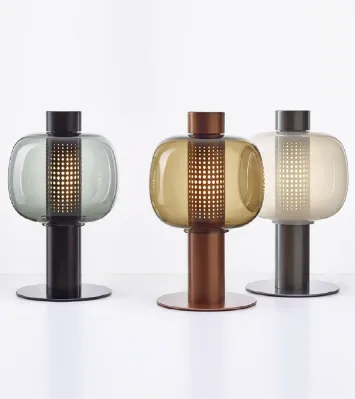
How the right lighting transforms residential, commercial, and hospitality spaces — and where to find quality solutions
Lighting is one of the most underestimated elements in interior design. While architects and designers spend countless hours selecting wall finishes, flooring materials, and furniture, the role of lighting — and specifically table lamp solutions — is often relegated to an afterthought. Yet a well-chosen table lamp does more than illuminate a dark corner. It defines the mood of a room, anchors a design scheme, and adds a layer of warmth that overhead lighting alone can never achieve.
Whether you are outfitting a luxury hotel, furnishing a high-end residential project, or curating the ambiance of a boutique restaurant, the table lamps you choose speak volumes about the quality and thoughtfulness of your design. This guide explores how to select the right table lamp for every setting, the role of customization in achieving a signature look, and why working with an experienced supplier makes all the difference.
At its core, a table lamp serves a practical purpose: providing focused, localized light where it is needed most. A bedside lamp lets someone read without disturbing a partner. A desk lamp reduces eye strain during late-night work. A console table lamp in a hotel lobby creates a welcoming first impression.
But beyond function, table lamps are powerful design tools. The material of the base — whether brushed brass, carved wood, ceramic, or matte black metal — communicates a distinct aesthetic language. The shape and texture of the shade determines how light diffuses through a space. Even the scale of the lamp relative to the surface it sits on can make or break the visual balance of an entire room.
Design insight: In professional interior design, lighting is often referred to as the "jewelry of a room." Table lamps, in particular, serve as accent pieces that can pull together disparate interior decoration materials — tying the color of a rug to the finish of a side table, or echoing the metallic tone of cabinet hardware.
Not all table lamps are created equal. A lamp that looks stunning in a hotel suite may feel completely out of place on a home office desk. Understanding how to match the lamp to the space is essential for achieving a cohesive design.
For residential settings, bedside table lamps should offer warm, dimmable light — typically in the 2700K to 3000K color temperature range — to promote relaxation. Living room lamps, on the other hand, benefit from slightly brighter output and more sculptural designs that serve as conversation pieces. A thoughtfully curated selection of residential lighting solutions can transform an ordinary house into a home that feels curated and complete.
In hospitality environments, durability and consistency are paramount. Hotel bedside lamps must withstand daily use by countless guests while maintaining a pristine appearance. Restaurant tables demand lamps that create intimate pools of light without being so bright they overwhelm the dining experience. Lobby areas require statement pieces — lamps large enough in scale to hold their own in grand, high-ceilinged spaces while complementing the overarching design narrative.
For commercial and office settings, task-oriented table lamps with adjustable arms, focused beams, and clean, professional silhouettes are the practical choice. Yet even here, design should not be sacrificed. A sleek, architectural desk lamp can reinforce a brand's image of precision and modernity.
One of the most significant trends shaping the lighting industry today is the growing demand for customization. Off-the-shelf products, no matter how well-designed, can feel generic — and in competitive markets like luxury hospitality and high-end residential, generic is the enemy of distinction.
Customized decorative lighting solutions allow designers and procurement professionals to specify every detail: the base material, the finish, the shade fabric, the dimensions, and even the color temperature of the LED module. This level of control ensures that every lamp in a project contributes to a unified design language rather than disrupting it.
Customization is particularly valuable in large-scale projects. A hotel chain with 50 properties, for example, needs consistency across all locations while allowing for regional variations that reflect local culture. A customized lighting program makes this possible — a single design DNA adapted with locally sourced materials or region-specific color palettes, all while maintaining brand coherence.
Whether you are sourcing for a single penthouse or a multi-property hotel development, certain factors should guide your purchasing decisions:
Material Quality: The base material — metal, wood, ceramic, glass — determines both the durability and the aesthetic value of the lamp. High-quality finishes resist tarnishing, scratching, and wear over time.
Electrical Components: The socket, switch, cord, and plug should meet international safety standards. Dimming compatibility and bulb type (LED, halogen, incandescent) are critical specifications to confirm upfront.
Scale and Proportion: A lamp that is too small will disappear in a grand foyer; one that is too large will overwhelm a petite bedside table. Always verify dimensions against the intended surface.
Shade Design: The shade material and shape control light diffusion. A drum shade casts even, ambient light; a cone shade directs light downward for task use; a globe shade creates soft, omnidirectional glow.
Certification: For international projects, ensure lamps carry the necessary certifications for the destination market — CE for Europe, UL for North America, SAA for Australia, and so on.
Minimum Order and Lead Time: Understanding MOQs and production lead times early prevents costly delays, especially for projects with tight construction schedules.
Sourcing lighting from one vendor while purchasing flooring from another and sanitary ware from a third creates logistical friction. Multiple shipments, staggered delivery dates, inconsistent quality standards, and fragmented communication all add up — in time, in cost, and in stress.
This is where a comprehensive supplier becomes invaluable. COLORIA GROUP, headquartered in Foshan, China — the heart of the global building materials industry — offers a portfolio spanning 13 product categories. From walls and flooring to sanitary fixtures, customized furniture, home appliances, and an extensive range of lighting options including table lamps, the company provides a single point of contact for entire projects.
The advantages of this model extend beyond convenience. When one supplier handles multiple categories, quality control becomes centralized. Shipments can be consolidated, reducing freight costs and simplifying customs clearance. Most importantly, the design coherence that comes from a unified sourcing strategy is tangible — finishes match, proportions are consistent, and the overall result feels intentional rather than assembled.
Did you know? COLORIA GROUP maintains an overseas agent office in Saudi Arabia, providing on-the-ground support for clients across the Middle East. This local presence, combined with the company's manufacturing and sourcing capabilities in China, creates a seamless bridge between production and project execution.
The journey from selecting a table lamp to seeing it beautifully illuminated in a finished space involves more steps than many realize. It starts with defining the design intent — what mood should the light create? What role does it play in the broader interior composition? From there, specifications are refined: the right materials, the correct scale, the appropriate light output.
Then comes the sourcing phase, where a trusted partner makes all the difference. A supplier with deep product knowledge, flexible customization capabilities, and reliable logistics can shorten lead times, ensure quality, and provide the peace of mind that comes from knowing every detail has been handled.
Finally, installation and positioning complete the picture. A lamp placed too far back on a console table casts shadows where light is needed most. One positioned too close to the edge risks being knocked over. Attention to these final details separates a professionally executed interior from an amateur attempt.
Table lamps may be small in the grand scheme of a construction or renovation project, but their impact on the finished space is anything but minor. The right lamp creates atmosphere, supports functionality, and elevates the perceived quality of every surface and piece of furniture around it. For developers, interior designers, hotel operators, and procurement managers, investing time in selecting the right table lamp solutions pays dividends in the form of happier occupants, better reviews, and stronger brand perception.
When sourcing table lamps — whether standard designs or fully customized pieces — working with a supplier that understands the full picture of interior construction is a strategic advantage. From matching finishes across categories to streamlining logistics across borders, the right partner turns lighting procurement from a logistical headache into a seamless part of the creative process.
Looking for Quality Table Lamp Solutions?
COLORIA GROUP offers a comprehensive range of table lamps and customized decorative lighting for residential, hospitality, and commercial projects. Browse our collection or contact our team to discuss your project requirements.
Explore Table Lamp CollectionRecommend Products












