
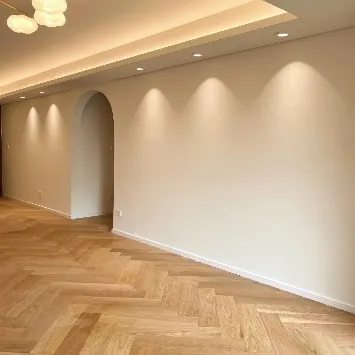
In the bustling world of retail, where every store competes for a moment of a customer's attention, your store window isn't just a display—it's your first conversation with potential buyers. Think about it: when passersby walk down the street, their eyes dart from one shopfront to another, searching for something that feels worth their time. The right lighting can turn that fleeting glance into a deliberate pause, and that pause into a step through your door. LED spotlights, with their versatility and precision, have become the unsung heroes of window displays, offering a way to highlight your products, set the mood, and tell your brand's story without saying a word. Let's dive into how to use them to transform your window from "just another display" to a magnetic focal point that customers can't resist.
Before we jump into the "how," let's talk about the "why." Traditional lighting options like incandescent bulbs or fluorescent tubes often fall short in retail settings—they're energy-hungry, generate too much heat (risking damage to delicate products), and lack the control needed to highlight specific items. LED spotlights, on the other hand, check all the boxes. They're energy-efficient, lasting up to 50,000 hours (that's years of use without replacement), produce minimal heat, and offer adjustable brightness and color temperatures. But beyond the practical benefits, they have an emotional edge: a well-placed LED spotlight can make a dress look softer, a watch more luxurious, or a pastry more mouthwatering. It's not just about illumination; it's about creating desire.
Consider this: a high-end jewelry store using warm white LED spotlights to showcase a diamond necklace. The light catches the facets of the stones, creating tiny rainbows that dance across the glass—suddenly, that necklace isn't just an accessory; it's a symbol of elegance. Or a children's clothing store using cooler, brighter LEDs to make colorful outfits pop, evoking a sense of fun and playfulness. LED spotlights don't just light up products—they amplify their best qualities, making customers think, "I need that in my life."
Every window display has a star—the product you want customers to notice first. Maybe it's a new collection piece, a limited-edition item, or a bestseller. LED spotlights excel here because they let you control the beam angle: narrow beams (15-25 degrees) for pinpoint focus on small items like jewelry or watches, and wider beams (30-60 degrees) for larger products like furniture or clothing mannequins. Imagine a leather handbag displayed on a pedestal—using a narrow-beam LED spotlight above it creates a dramatic "halo" effect, drawing the eye straight to the bag's texture and craftsmanship. Avoid flooding the entire window with uniform light; instead, treat it like a stage, and use spotlights to direct attention where it matters most.
Flat, one-dimensional lighting makes even the most beautiful products look dull. The secret to a window that feels alive? Layering three types of light: ambient (soft, overall glow), task (direct light on products), and accent (highlighting details). For example, a clothing store might use warm ambient LED strips along the edges of the window for a cozy base, then add LED spotlights as task lights on mannequins, and finally, tiny accent spotlights to showcase buttons or embroidery on a blouse. This layering creates depth, making the display feel more like a scene than a static arrangement. Customers don't just see clothes—they imagine themselves wearing them in a well-lit, inviting space.
Color temperature (measured in Kelvin, K) isn't just a technical term—it's a mood controller. Warm white (2700-3500K) feels cozy and inviting, perfect for boutiques, cafes, or stores selling home goods. Cool white (4000-5000K) is crisp and energetic, ideal for electronics, sportswear, or modern furniture. Daylight white (5000K+) mimics natural light, making it great for displaying products with true-to-life colors, like cosmetics or artwork. Here's a pro move: mix warm and cool strategically. A bakery might use warm white spotlights on pastries to make them look fresh and buttery, then a slightly cooler accent light on a signboard to keep the overall feel bright and clean. Just avoid mixing too many temperatures—stick to 2-3 max to keep the display cohesive.
Static lighting can get overlooked, but gentle movement? It's like a silent "look here" signal. LED spotlights with dimming capabilities or rotating heads (set to a slow, subtle spin) can create dynamic effects without being distracting. For example, a shoe store might use a slowly rotating LED spotlight to cast soft shadows of a sneaker onto the wall behind it, making the display feel dynamic and modern. Or a toy store could use dimmable LEDs that fade in and out gently, mimicking a twinkling effect that appeals to kids (and their parents). The key is subtlety—you want to intrigue, not overwhelm. Think of it as a quiet dance between light and product.
Contrast is what makes a display pop—light areas against dark backgrounds, or vice versa. A black dress on a white pedestal lit by a bright LED spotlight creates instant contrast, making the dress stand out. But be careful with glare: if the spotlight is too bright or angled directly at the glass, it can create reflections that hide your products instead of showcasing them. To fix this, position spotlights at a 30-45 degree angle from the product, and use anti-glare lenses if needed. You can also add a dark backdrop behind products to reduce reflection—think of it as giving your spotlight a clean canvas to work with. The goal is to make products easy to see, not to blind customers with harsh light.
Great lighting design starts with great products, and that means working with suppliers who understand retail's unique needs. Here's what to look for:
A good supplier isn't just a vendor—they're a collaborator. They'll ask questions about your brand, your target customers, and your display goals, then recommend products that align with your vision. For example, a luxury watch store might need ultra-high CRI (Color Rendering Index) spotlights to show off the metallic sheen of a watch face, while a fast-fashion retailer might prioritize energy-efficient, budget-friendly LEDs that can be swapped out easily for new collections.
Let's take a look at a small clothing boutique in a busy urban area. Before upgrading their lighting, their window was lit with basic fluorescent tubes—harsh, cool light that made their soft fabrics look flat and uninviting. Foot traffic was steady but not impressive, and conversion rates were low. They decided to partner with a shop lighting supplier to revamp their window with LED spotlights.
The supplier recommended a layered approach: warm white (3000K) LED strips along the window frame for ambient light, narrow-beam spotlights (25 degrees) on each mannequin to highlight outfits, and small accent spotlights on a display table with accessories. They also added dimmable controls to adjust brightness for day vs. night (brighter during the day to stand out against sunlight, softer in the evening for a cozy vibe).
The result? Within two weeks, the boutique saw a 30% increase in foot traffic. Customers commented that the clothes "looked more expensive" and "felt more inviting." Sales of the highlighted "hero products" doubled, and the owner noted that even passersby who didn't enter would often stop to take photos of the window—a free marketing win. The key takeaway? It wasn't just about adding light; it was about using LED spotlights strategically to tell a story and make customers feel connected to the products.
Mistake #1: Overlighting the Window
Solution: More light doesn't mean better visibility. If every corner is flooded with spotlights, nothing stands out. Instead, use the "less is more" approach—focus on 2-3 key products per display and let the rest fade into a soft background glow.
Mistake #2: Ignoring Maintenance
Solution: LED spotlights last long, but bulbs still burn out, and dust can dim their brightness. Schedule weekly checks to wipe down fixtures and replace any faulty bulbs—you don't want a dark spot in your window to make the display look neglected.
Mistake #3: Forgetting About the "Outside-In" View
Solution: Always step outside and look at your window from the sidewalk. What looks good from inside the store might be washed out or too dim from the street. Adjust angles and brightness based on this view—after all, that's where your customers are standing.
At the end of the day, your store window is a marketing tool—and like any tool, it needs the right resources to work effectively. LED spotlights aren't just a cost; they're an investment in attracting customers, telling your brand story, and ultimately, driving sales. When done right, they turn your window into a conversation starter, a place where customers don't just see products—they see possibilities.
So take the time to plan your lighting design. Experiment with beam angles and color temperatures. Partner with suppliers who understand your vision. And remember: the best window displays aren't just lit—they're felt. With LED spotlights, you have the power to create that feeling, one beam at a time.
Recommend Products












