
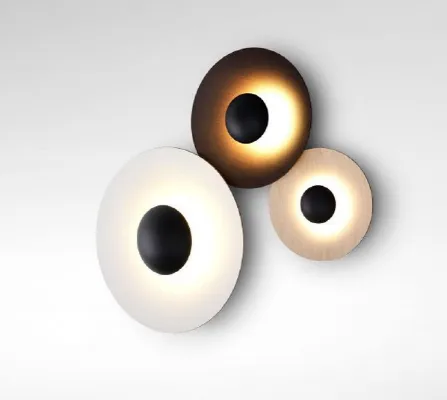
Wall lamps are more than just functional light sources — they are design statements that define the character of a room. Whether you are outfitting a luxury hotel, a modern residential complex, or a commercial office space, the quality of your wall lamps can make or break the visual harmony of your interiors. For contractors, architects, and procurement managers, finding reliable wall lamp manufacturers who can deliver consistent quality, competitive pricing, and on-time delivery is a critical piece of the project puzzle.
In this guide, we walk through the key factors to consider when sourcing wall lamps, the different types available for various applications, and how partnering with a comprehensive wall lamp supplier can streamline your entire procurement process.
Wall lamps serve multiple purposes in contemporary architecture. They provide ambient lighting in corridors and hallways, task lighting beside beds and reading nooks, and accent lighting to highlight artwork or architectural features. Unlike ceiling-mounted fixtures, wall lamps create depth and warmth by casting light across vertical surfaces, which softens shadows and makes spaces feel more inviting.
In the hospitality sector, wall lamps are indispensable — they frame hotel room headboards, illuminate restaurant booths, and guide guests through lobbies. For residential projects, they replace bulky table lamps on nightstands, free up floor space, and add a polished touch to living rooms. Commercial offices use them to reduce glare and create comfortable, layered lighting environments that support productivity.
Given their versatility, project buyers often need to source wall lamps in bulk, which is why wall lamp wholesale channels have become a preferred route for developers and construction firms looking to balance quality and budget.
Not all manufacturers are created equal. When you are sourcing wall lamps for a large-scale project, here are the essential criteria to evaluate:
Material Quality and Craftsmanship — Wall lamps are exposed to daily wear, humidity, and temperature changes. Look for manufacturers that use high-grade materials such as aluminum, stainless steel, brass, and tempered glass. The finishing process — whether powder coating, electroplating, or anodizing — directly affects the fixture's durability and resistance to corrosion.
Certifications and Compliance — Any reputable manufacturer should provide products that meet international safety and quality standards. Certifications such as CE, RoHS, and CCC demonstrate that the products have passed rigorous testing for electrical safety, material safety, and electromagnetic compatibility. For projects in North America, UL or ETL certification is often required.
Customization Capabilities — Off-the-shelf products rarely meet every project's unique requirements. A skilled customized decorative lighting supplier should be able to adapt designs, finishes, dimensions, and light output to match your project specifications. This includes custom color temperatures, dimming compatibility, and bespoke housing designs.
Production Capacity and Lead Times — Large-scale projects demand consistent output. Verify that the manufacturer has the production lines, workforce, and supply chain management to deliver on schedule. Ask about their monthly production capacity, typical lead times, and how they handle peak-season demand.
Quality Control Processes — A manufacturer's quality control system should cover every stage: incoming material inspection, in-process checks, and final product testing before shipment. Manufacturers that invest in in-house testing equipment and dedicated QC teams are far more reliable partners.
A comprehensive lights supplier should offer a broad range of wall lamp styles to suit different project needs. Here are the most common types:
Up-Down Wall Lamps — These fixtures direct light both upward and downward, creating a striking wash of light on the wall. They are popular in hotel corridors, restaurant hallways, and residential entryways. The dual-direction output adds visual interest and softens the transition between ceiling and wall surfaces.
Swing-Arm Wall Lamps — Featuring an adjustable arm that extends and retracts, swing-arm wall lamps are ideal for reading nooks, bedside lighting, and office workstations. They combine functionality with classic aesthetics and are available in both plug-in and hardwired configurations.
Flush-Mount Wall Lamps — Also known as wall sconces, these sit close to the wall and provide even, diffused illumination. They work well in narrow hallways, staircases, and bathrooms where space is limited. Their compact profile makes them suitable for commercial spaces with high foot traffic.
Decorative Accent Wall Lamps — These are design-focused fixtures that serve as visual focal points. Available in materials such as crystal, hand-blown glass, and artistic metalwork, they are commonly used in hotel lobbies, upscale restaurants, and luxury residential projects to create a memorable ambiance.
Outdoor Wall Lamps — Built to withstand weather exposure, outdoor wall lamps feature IP-rated housings that protect against dust and moisture. They are essential for building facades, garden walls, terraces, and entrance pathways. Materials such as die-cast aluminum and stainless steel ensure longevity in outdoor environments.
Managing multiple suppliers for different product categories adds complexity, cost, and risk to any building project. When you work with a single, well-established supplier that covers wall lamps alongside other lighting categories — such as ceiling lights, track lights, outdoor lighting, and decorative chandeliers — you gain significant advantages in logistics coordination, quality consistency, and cost negotiation.
A one-stop approach also simplifies after-sales service. If an issue arises with any fixture, you have a single point of contact to resolve it, rather than navigating multiple supplier relationships. For international buyers, this consolidation reduces shipping costs, customs paperwork, and the administrative burden of managing shipments from different origins.
COLORIA GROUP has established itself as a trusted partner for developers, contractors, and project buyers who need reliable access to high-quality wall lamps and comprehensive lighting solutions. With headquarters in Foshan, Guangdong — one of China's most prominent manufacturing hubs for building materials and lighting products — COLORIA GROUP leverages its location to source directly from top-tier factories and maintain rigorous quality control over every product.
The company's lighting portfolio extends well beyond wall lamps. Through its LIGHTS category, COLORIA GROUP offers a full spectrum of lights solutions, including shop lighting, hospitality lighting, office lighting, residential lighting, restaurant lighting, outdoor lighting, industrial lighting, magnetic track lights, spotlights, chandeliers, pendant lights, table lamps, floor lamps, garden lights, neon lights, strip lights, and staircase lights. This breadth means project buyers can fulfill all their lighting requirements through a single supplier relationship.
For clients with specific design visions, COLORIA GROUP's customized decorative lighting service allows architects and interior designers to bring bespoke concepts to life. Whether it is a custom finish, a unique housing shape, or a specific light temperature, the team works closely with clients to deliver tailored solutions that align with the project's overall design language.
What sets COLORIA GROUP apart: Beyond lighting, the company operates as a one-stop building materials provider, covering 13 product categories — from walls, flooring, and ceilings to sanitary fixtures, customized furniture, home appliances, windows and doors, decorative profiles, elevators, electrical fixtures, pipes and fittings, and solar panels. For project buyers managing complex construction timelines, this consolidated supply chain translates into fewer vendor relationships, simpler logistics, and better cost control.
Proper installation is as important as the fixture itself. Here are some practical guidelines for different project scenarios:
Bedside Wall Lamps — Install at a height of 1.2 to 1.5 meters above the floor, with the fixture positioned roughly 10 to 30 centimeters from the edge of the bed frame. This placement allows easy reach from a seated or lying position while keeping the light source at a comfortable angle for reading.
Corridor and Hallway Wall Lamps — Mount fixtures at least 2.0 meters above the floor to avoid head-level glare while maintaining adequate illumination for safe passage. Space fixtures 2.5 to 3.0 meters apart for even light distribution along the corridor.
Living Room Accent Wall Lamps — Position at approximately 1.5 to 1.8 meters above the floor on either side of artwork, mirrors, or architectural features. If the wall lamp is meant to serve as primary ambient lighting, consider using multiple fixtures spaced evenly along the wall.
Outdoor Facade Wall Lamps — Ensure all outdoor fixtures carry an appropriate IP rating (IP44 minimum, IP65 or higher for exposed locations). Mount them at a height that protects against direct rain exposure while effectively illuminating entryways, pathways, and architectural details.
Looking for a reliable wall lamp supplier for your next project? COLORIA GROUP offers a comprehensive range of wall lamps and full lighting solutions for residential, commercial, and hospitality applications. With a strong commitment to quality, competitive wall lamp wholesale pricing, and the convenience of one-stop sourcing across 13 building material categories, COLORIA GROUP is ready to support your project from concept to completion. Visit www.coloriagroup.net to explore the full product catalog, or reach out directly via phone at +86-075782666790 or WhatsApp at +86-13630185350 to discuss your requirements with the team.
Recommend Products












