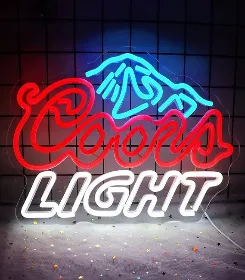
Neon lighting has undergone a remarkable transformation over the past two decades. The fragile glass tubes filled with mercury gas that once defined the industry have given way to a new generation of LED-powered alternatives that are safer, more efficient, and far more versatile. For architects, contractors, and procurement professionals, selecting the right
neon light supplier is a decision that directly impacts project quality, budget, and timeline. As a trusted
building material supplier, COLORIA GROUP has helped clients worldwide navigate this choice with confidence.
The Shift from Glass Neon to LED Neon: What Changed
Traditional glass neon lights, while iconic, came with a long list of practical limitations. They required skilled artisans to bend glass tubes into shape, consumed kilovolts of electricity, generated significant waste heat, and posed safety risks from broken glass and toxic gas leakage. The advent of LED neon technology has addressed every one of these pain points.
Modern LED neon lights use flexible silicone or PVC tubing embedded with high-density LED chips. This construction delivers a continuous, uniform glow that closely mimics the appearance of traditional neon while offering dramatic improvements in every performance category:
Flexibility: LED neon strips can bend, twist, and conform to virtually any shape without specialized tools. Designers can create custom signage, intricate patterns, and curved architectural accents with ease.
Energy Efficiency: LED technology consumes significantly less power than traditional glass neon, translating to lower operating costs across the lifetime of an installation.
Longevity: Quality LED neon products typically deliver 50,000 hours or more of reliable illumination, outlasting glass neon by a factor of three or more.
Safety: No glass means no breakage risk. No mercury or phosphor gases means no hazardous material concerns. Low heat output reduces fire risk and makes LED neon safe for indoor applications where traditional neon would be impractical.
Easy Installation: Lightweight materials and options like adhesive backing or simple mounting clips make installation straightforward, reducing labor costs and project timelines.
Five Qualities to Look for in a Neon Light Supplier
Not all suppliers are created equal. When evaluating a
neon light supplier, here are the five non-negotiable qualities that separate reliable partners from the rest.
1. Breadth of Product Range
A capable supplier should offer a comprehensive catalog that covers the full spectrum of lighting needs. Beyond neon lights, look for a supplier that provides
lights solutions across multiple categories — including shop lighting, hospitality lighting, office lighting, outdoor lighting, industrial lighting, and residential lighting. A supplier that also carries
strip light solutions, spotlights, chandeliers, wall lamps, garden lights, magnetic track lights, and customized decorative lighting gives you the flexibility to source all illumination needs from a single partner.
2. Quality Certifications and Standards
International certifications such as CE, RoHS, and UL are not just badges — they are evidence of compliance with safety, environmental, and performance standards. A reputable supplier should be transparent about their certifications and willing to provide documentation upon request. For projects in regulated industries like healthcare or hospitality, certified products are often a mandatory requirement, not an option.
3. Customization Capability
Every building project has unique specifications. Whether you need specific color temperatures (2700K warm white through 6500K cool white), custom lengths, particular IP ratings for outdoor durability, or bespoke neon signage for brand identity, a supplier with strong customization capabilities can deliver exactly what the project demands. Off-the-shelf products rarely fit every scenario perfectly.
4. Supply Chain Reliability
Construction timelines are unforgiving. A supplier's manufacturing capacity, inventory management, and logistics network directly determine whether your materials arrive on schedule. For large-scale commercial projects, consistent quality across multiple batches is equally important. Look for a supplier with a proven track record of fulfilling large orders without compromising on quality or delivery dates.
5. One-Stop Service Capability
Perhaps the most overlooked advantage in supplier selection is the ability to consolidate procurement. Working with a
one-stop architectural solution provider means you can source lighting alongside walls, flooring, ceilings, sanitary fixtures, customized furniture, windows and doors, elevators, and even solar panels — all from a single partner. This approach reduces coordination overhead, simplifies logistics, and often unlocks volume pricing advantages.
Where Neon Lights Shine: Key Application Areas
Understanding where neon lighting delivers the most value helps in making informed procurement decisions. Here are the primary application categories where LED neon has become the go-to choice:
Commercial and Retail Spaces: From storefront signage to interior accent lighting, neon creates distinctive brand identities.
Shop lighting incorporating neon elements draws foot traffic and enhances the customer experience. Restaurants, bars, and hotels use neon to craft memorable atmospheres that keep guests coming back.
Residential Interiors: Homeowners are increasingly incorporating LED neon strips for cove lighting, under-cabinet illumination, bedroom accent walls, and outdoor patio decor. The combination of warm color temperatures and dimmable options makes neon a versatile choice for creating personalized living spaces.
Office and Corporate Environments: Modern workplaces use neon lighting for wayfinding, brand reinforcement in reception areas, and creative break-room designs. The low heat output and energy efficiency of LED neon align with corporate sustainability goals.
Architectural Facades and Outdoor Applications: Waterproof LED neon (IP65/IP67 rated) transforms building exteriors, pathways, bridges, and landscape features. The ability to bend neon into complex shapes opens up design possibilities that rigid lighting fixtures cannot match.
Industrial and Institutional Settings: Warehouses, hospitals, schools, and public buildings benefit from durable, low-maintenance neon lighting solutions that withstand demanding environments while keeping energy costs under control.
Why COLORIA GROUP Is the Neon Light Supplier You Can Trust
COLORIA GROUP, headquartered in Foshan, Guangdong Province, China, operates with a clear mission: to be the
one-stop architectural solution provider that construction professionals around the world can rely on. Our company, FOSHAN COLORIA BUILDING MATERIALS CO., LTD, brings together 13 product categories under one roof — from walls, flooring, and ceilings to pipes and fittings, sanitary fixtures, customized furniture, home and kitchen appliances, windows and doors, decorative profiles, elevators, electrical fixtures, lights, and solar panels.
Within our lighting division, we offer an extensive selection that includes
neon light products suitable for indoor and outdoor use,
strip light options in various color temperatures and IP ratings,
customized decorative lighting for unique project requirements, and a full range of commercial and residential fixtures including chandeliers, pendant lights, spotlights, wall lamps, table lamps, garden lights, magnetic track lights, and light letters for signage.
What sets COLORIA GROUP apart is our commitment to being more than just a supplier. With an overseas agent in Saudi Arabia, continuous investment in team training and development, and decades of accumulated industry experience, we position ourselves as a long-term partner for our clients. Our tagline — "Together We Build the Future" — captures the collaborative spirit we bring to every project, whether it is a single-family home renovation or a large-scale commercial development.
Making the Final Decision
Selecting the right
neon light supplier is not just about comparing price lists. It is about evaluating the full picture: product quality, range, certifications, customization ability, supply chain reliability, and the strategic advantage of working with a partner who can serve as a comprehensive
building material supplier. A decision made with these factors in mind pays dividends throughout the project lifecycle — from streamlined procurement to consistent quality and on-time delivery.