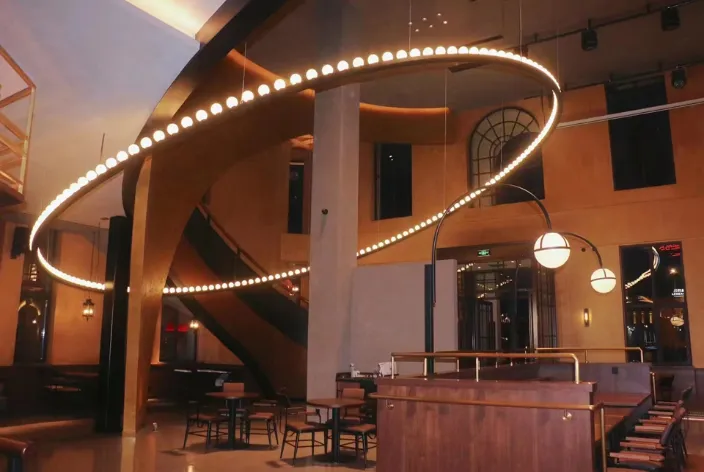
The art of balancing aesthetics, functionality, and efficiency in commercial and residential projects
Lighting is often the last item on a project checklist, yet it is the first thing people notice when they walk into a space. A well-lit lobby feels welcoming; a poorly lit one feels cold. A restaurant with thoughtfully layered light draws diners in; harsh overhead fluorescents push them away. This is why more architects, interior designers, and project developers are turning to
customized decorative lighting solutions — not as an afterthought, but as a core design element that shapes the entire experience of a building.
Unlike off-the-shelf fixtures that force spaces to adapt to them, customized lighting is designed around the unique dimensions, materials, and purpose of each project. From the warm glow of a hotel lobby chandelier to the precise beam angles of a retail display spotlight, every detail is calibrated to serve both form and function.
Why Standard Lighting Falls Short
Mass-produced lighting fixtures come with inherent limitations: fixed sizes, limited finish options, and generic color temperatures that rarely match the specific needs of a project. A designer specifying lighting for a luxury hotel restaurant cannot simply pick a standard pendant light off the shelf and expect it to harmonize with custom millwork, unique ceiling heights, and the brand's signature color palette.
The gap between standard products and project requirements is where customized solutions deliver the most value. Custom decorative lighting allows project teams to control every variable — from the metal finish and glass texture to the LED color temperature and beam spread. This level of control ensures the lighting not only fits the space physically but also reinforces the design narrative.
Key Application Scenarios
Customized decorative lighting finds its strongest applications across several distinct project types:
Hotels & Resorts. The lobby, corridors, guest rooms, and restaurants each demand different lighting treatments.
Hospitality lighting must balance warmth with functionality — a grand chandelier in the lobby makes a statement, while soft wall sconces in guest corridors guide without glare. Customized solutions ensure brand consistency across every touchpoint.
Restaurants & Bars. Dining spaces rely on layered lighting to create intimacy and highlight food presentation. Pendant lights over tables, soft cove lighting along ceilings, and accent lights on artwork all work together. Off-the-shelf fixtures rarely achieve this layered effect without compromise.
Retail & Commercial Spaces. In retail, lighting directly impacts sales. Products displayed under the right color temperature and beam angle look more appealing. Custom track lighting, spotlights, and display illumination can be tailored to merchandise categories, changing the shopping experience from ordinary to premium.
Residential Projects. High-end residences increasingly demand bespoke lighting — from custom chandeliers in double-height living rooms to tailored wall lamps in home theaters and wine cellars. Homeowners want lighting that reflects their personal taste rather than copying what their neighbors have.
What to Look for in a Customized Lighting Supplier
Choosing the right partner for customized decorative lighting is critical. Here are the factors that separate a reliable supplier from the rest:
Product Range Breadth. A supplier offering only one or two lighting categories limits your design options. The ideal partner should cover chandeliers, pendant lights, wall lamps, table lamps, spotlights, strip lights, magnetic track lights, and outdoor lighting — all under one roof. This eliminates the headache of coordinating multiple vendors.
Material & Finish Expertise. Custom lighting involves metal fabrication, glass blowing, woodworking, and surface treatments. The supplier should demonstrate mastery across materials — whether it is brushed brass, matte black steel, hand-blown glass, or natural stone accents.
Project Experience. Ask for case studies or project references. A supplier with experience in hotels, restaurants, offices, and high-end residences understands the different technical and aesthetic requirements of each sector.
Quality Control. Custom lighting must meet international safety and performance standards. Look for suppliers with rigorous QC processes that test for electrical safety, LED lifespan, color consistency, and finish durability.
The Advantage of a One-Stop Approach
Lighting does not exist in isolation. In any construction or renovation project, decorative lighting is specified alongside flooring, wall panels, ceiling materials, furniture, and sanitary fixtures. Coordinating separate suppliers for each category introduces delays, miscommunication, and cost overruns.
This is where working with a comprehensive
building material supplier makes a measurable difference. When your lighting supplier also provides flooring, wall cladding, bathroom fixtures, and custom furniture, the entire material palette becomes cohesive. Design decisions made in one category inform choices in another. Consolidating procurement with a single partner also simplifies logistics, reduces shipping costs, and gives you a single point of contact for after-sales support.
COLORIA GROUP, headquartered in Foshan, China, embodies this one-stop model. The company supplies 13 product categories spanning walls, flooring, ceilings, pipes and fittings, sanitary fixtures, customized furniture, home appliances, windows and doors, decorative profiles, elevators, electrical fixtures, lights, and solar panels. For project developers and contractors, this means a single procurement channel for an entire building's material needs.
The Customization Process: From Concept to Installation
A well-managed custom lighting project follows a structured workflow:
1. Design Brief & Consultation. The process starts with understanding the project's architectural style, interior design concept, and functional requirements. Mood boards, reference images, and technical drawings help align the supplier's team with the designer's vision.
2. Technical Drawings & Sampling. Once the design direction is agreed upon, the supplier produces detailed technical drawings showing dimensions, materials, finishes, and electrical specifications. A physical sample or prototype is then created for the client's approval before mass production begins.
3. Production & Quality Inspection. Production follows the approved sample. Throughout manufacturing, quality control checks are performed at multiple stages — raw material inspection, in-process checks, and final pre-shipment inspection — to ensure every fixture meets the agreed specifications.
4. Packaging & Logistics. Custom lighting fixtures, especially delicate items like chandeliers and glass pendants, require specialized packaging to prevent damage during transit. A reliable supplier provides reinforced crating and coordinates international shipping with proper documentation.
5. Installation Support. The best suppliers offer remote or on-site guidance during installation, ensuring the fixtures are mounted correctly and the lighting effect matches the design intent.
Energy Efficiency and Smart Integration
Modern customized decorative lighting goes beyond aesthetics. LED technology has advanced to the point where custom fixtures can deliver museum-grade color rendering (CRI 90+) while consuming a fraction of the energy of traditional halogen or incandescent sources. This is particularly important for commercial projects where lighting runs for extended hours and energy costs add up significantly over time.
Smart lighting integration is another growing demand. Custom fixtures can be designed to work with DALI, DMX, or wireless control protocols, enabling scene-setting, dimming schedules, and occupancy-based automation. A hotel can program "welcome," "evening," and "night" lighting scenes across all public areas; a restaurant can transition from bright lunch service to intimate dinner ambiance with a single preset.
Why Global Projects Choose COLORIA GROUP
With an overseas agent in Saudi Arabia and a supply chain rooted in Foshan — China's largest building materials manufacturing hub — COLORIA GROUP bridges the gap between custom manufacturing capabilities and international project delivery. The company's lighting portfolio includes a comprehensive range of products, covering everything from
hospitality lighting and restaurant lighting to office lighting, industrial lighting, outdoor lighting, magnetic track lights, chandeliers, wall lamps, and custom decorative lighting. Each product can be tailored in size, finish, color temperature, and mounting style to match the project's exact specifications.
Beyond lighting, the company's extensive product catalog — over 560 products across walls, flooring, sanitary ware, furniture, appliances, elevators, and solar panels — means project teams can source nearly every building material from a single supplier. This consolidation saves time, reduces coordination complexity, and often results in better pricing through volume bundling.
Ready to Illuminate Your Next Project?
Whether you are designing a five-star hotel, a flagship retail store, or a luxury residence, customized decorative lighting defines how people experience your space. Contact COLORIA GROUP today to discuss your project requirements. Reach the team at
+86-13630185350 (WhatsApp/WeChat) or visit
www.coloriagroup.net to explore the full product catalog and request a consultation.