
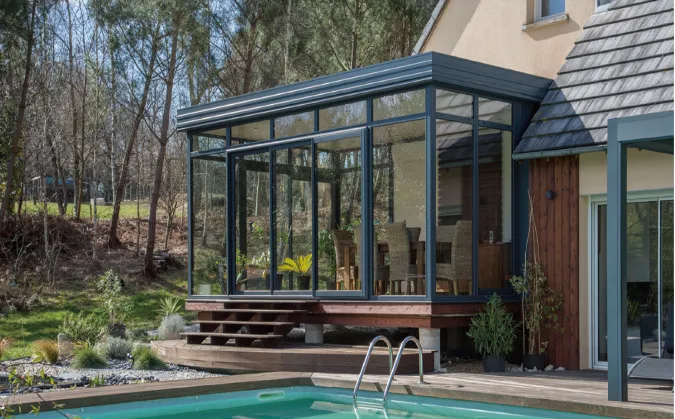
Imagine stepping into a sunroom where every beam of light is captured to reverse climate change, where innovative technology monitors energy flows like a heartbeat, and carbon emissions are balanced in real-time. This isn't fantasy—it's the future of certified zero-carbon spaces. Building on frameworks like ILFI's Zero Carbon Certification and pioneering solutions like Nextracker's low-carbon solar trackers, we're entering an era where our living spaces actively heal the planet.
Buildings currently contribute 37% of global CO₂ emissions —but the Zero Carbon Sun Room Certification flips this narrative. By merging rigorous carbon accounting with cutting-edge renewable technology, we can create spaces that give back more than they take. These certifications aren't just plaques on walls; they represent tangible ecosystems where:
Carbon accounting for buildings has evolved from vague estimates to surgical precision. The Zero Carbon framework tackles both embodied and operational carbon through measurable requirements:
Construction materials aren't innocent bystanders—their production creates massive footprints. Certification requires:
Sun rooms live by their name, converting sunlight into climate action:
What makes this revolutionary isn't just the requirements, but the verification. Real-time metering acts like a carbon fitness tracker, with monthly reports submitted to certification bodies. Fugitive refrigerants? Tracked. Material provenance? Documented. It's accountability built into the walls.
Picture solar trackers that follow sunlight like sunflowers—but made with recycled steel produced through electric arc furnaces, reducing their carbon footprint by 35% before installation. That's the breakthrough behind solutions like Nextracker's NX Horizon™ system.
The magic happens through synergies across three dimensions:
These solutions create compounding benefits when integrated with solar panels and other renewables. A typical sun room deployment might combine:
| Technology | Carbon Reduction | Implementation |
|---|---|---|
| Low-carbon solar trackers | 35% less embodied carbon | Roof/window integration |
| Phase-change materials | 40% cooling load reduction | Thermal mass walls |
| AI-driven ventilation | 15% operational energy savings | Machine learning optimization |
Offsetting gets criticized as "paying to pollute," but Zero Carbon Certification reframes it as reparations. Required offsets must:
A certified sun room doesn't just neutralize its footprint—it creates ripple effects. A typical 200 sq ft installation might finance:
This transforms buildings from passive structures into climate action platforms where every sunny day directly funds carbon removal.
Getting certified isn't just checking boxes—it's embracing a new relationship between architecture and ecology. The process follows a journey:
Teams create a "carbon nutrition label" documenting every material and system, using digital twins to simulate operational impacts.
Design interventions like strategic overhangs for passive heating/cooling, recycled steel frames, and precision-glazed low-carbon windows.
Third-party auditors validate carbon claims before occupancy, followed by continuous performance tracking via IoT sensors.
The result? Spaces where sustainability feels effortless—where thermal comfort comes from thoughtful design rather than energy-intensive systems, and where daylight harvesting powers both the space and its ecological redemption.
Imagine communities where every sun room contributes surplus energy to electric vehicle charging, where carbon offset funds rebuild wetlands, and where building materials come with "birth certificates" tracking their climate impact. This certification creates blueprints for the regenerative buildings we urgently need.
The data shows this approach works: Early adopters report 60-80% lower lifetime emissions compared to conventional construction. More importantly, they demonstrate that beautiful, functional spaces can simultaneously:
We're not just reducing harm anymore; with frameworks like Zero Carbon Certification and technologies like advanced solar trackers, we're pioneering architecture that gives back—one sunbeam at a time.
Recommend Products












