

Walls are the silent storytellers of any space. They don't just divide rooms—they set the tone for how we live, work, and interact with our environments. Whether you're renovating a home, designing a café, or building a school, choosing the right wall material is a decision that ripples through years of use: affecting durability, upkeep, aesthetics, and even daily comfort. In recent years, a new contender has emerged to challenge the long-reign of traditional options: WPC wall panels. But how do they stack up against time-tested materials like wood, brick, or plaster? Let's dive in.
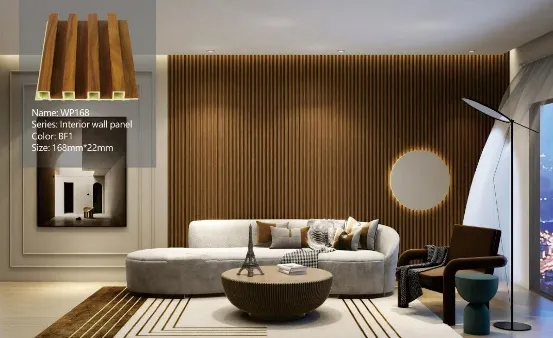
First, let's get to know the underdog turning heads in the interior decoration materials and exterior decoration materials markets: WPC, or Wood-Plastic Composite. Born from a blend of wood fibers (or bamboo, rice husks, or other plant-based materials) and thermoplastics (like polyethylene or polypropylene), WPC panels are engineered to merge the best of both worlds. They mimic the warm, organic look of wood but pack the resilience of plastic—making them a favorite for modern builders and homeowners alike.
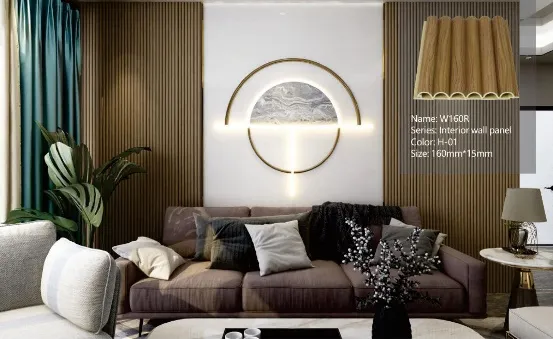
Think of them as the "practical cousin" of natural wood: they're dense, resistant to warping, and don't require the same fussy maintenance. A quick stroll through a (building materials market) or a chat with a wpc wall panel supplier will reveal just how versatile these panels are—available in sleek solids, (lifelike wood grains), and even stone-like textures, ready to fit any design vision.
Traditional materials have been around for centuries, and for good reason—they've proven their worth in countless structures, from cozy cottages to grand cathedrals. Let's break down the most common players:
Each of these materials has its loyalists. A homeowner might swear by wood for its "soul," while a contractor might default to brick for exterior durability. But as spaces evolve—demanding more from walls than just structure—so do the expectations.
To truly understand the shift toward WPC, let's compare them across the metrics that matter most. We'll use a wpc wall panel solutions lens—looking at how these panels solve real-world problems versus traditional options.
| Aspect | WPC Wall Panels | Traditional Materials (Wood/Brick/Plaster/Tiles) |
|---|---|---|
| Durability | Resists rot, termites, and warping; lasts 15–20 years with minimal wear. | Wood rots in moisture; brick cracks over time; plaster dents easily; tiles chip. |
| Moisture Resistance | Waterproof core prevents mold/mildew—ideal for bathrooms, basements, or coastal homes. | Wood swells; plaster crumbles; brick absorbs water (risk of efflorescence); tiles need sealed grout. |
| Installation | Lightweight (3–5kg/m²) with tongue-and-groove or click-lock systems; DIY-friendly in hours. | Wood requires sawing/sanding; brick needs masonry skills; plaster needs drying time; tiles demand precise spacing. |
| Maintenance | Wipe clean with soap and water; no painting, staining, or sealing required. | Wood needs annual refinishing; brick needs repointing; plaster needs patching; tiles need grout cleaning. |
| Aesthetics | Wide range: wood grains, stone textures, solid colors, or custom prints. Consistent look across panels. | Wood has unique grains (inconsistent); brick offers rustic charm; plaster is a blank canvas but lacks texture. |
| Sustainability | Uses recycled plastics and wood waste; no deforestation; recyclable at end-of-life. | Wood requires logging; brick kilns emit CO₂; plaster uses gypsum (non-renewable); tiles require high-energy firing. |
| Cost (Lifetime) | Higher upfront ($20–$40/m²) but low maintenance = lower long-term costs. | Lower upfront (wood: $15–$30/m²; plaster: $5–$10/m²) but high upkeep adds $$$ over time. |
| Fire Resistance | Most are fire-retardant (Class B); some suppliers offer Class A options for commercial use. | Wood is flammable; brick/plaster are fire-resistant; tiles are fireproof but crack under heat. |
Numbers tell part of the story, but let's ground this in everyday situations. Here's how the choice plays out in different spaces:
Imagine a household with kids, a golden retriever, and a bathroom that sees daily steam showers. Traditional drywall in the bathroom would mean constant mold checks; wood panels in the playroom would scratch and stain. Enter WPC: the bathroom walls wipe clean after bath time, and the playroom panels shrug off puppy claws. No repainting, no sanding—just walls that keep up with life.
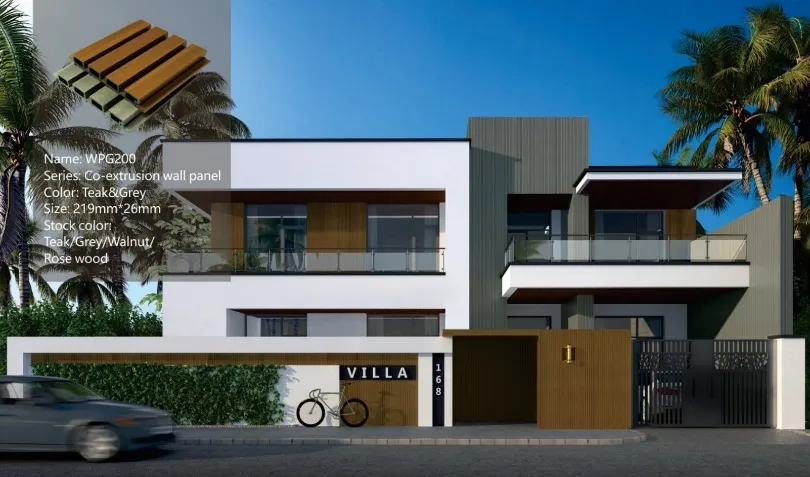
A beachside café needs walls that withstand salt air, humidity, and the occasional coffee spill. Brick exteriors might hold up, but they're cold and hard to insulate. WPC exterior cladding, however, resists corrosion, insulates against heat, and comes in driftwood tones that complement the ocean view. Inside, WPC panels near the counter clean easily, keeping the space bright and fresh even during peak hours.
Not every project is a win for WPC. If you're restoring a 1920s cottage with original oak paneling, traditional wood is non-negotiable for preserving character. Here, WPC might feel out of place—its uniformity clashing with the home's unique, weathered charm. Traditional materials still shine in spaces where history and authenticity take precedence.
Talk to contractors or wpc wall panel supplier teams, and they'll highlight a common trend: WPC solves pain points traditional materials can't. For example, in schools or hospitals—where hygiene and safety are critical—WPC's mold resistance and easy cleaning reduce liability. In rental properties, landlords love that tenants can't damage panels as easily as drywall, cutting repair costs.
Sustainability is another driver. With stricter green building codes, WPC's recycled content and low carbon footprint make it a favorite for LEED-certified projects. Unlike wood, which often comes from unsustainable logging, WPC diverts plastic waste from landfills—a selling point for eco-conscious clients.
And let's not overlook design freedom. Modern wpc wall panel solutions include 3D textures, metallic finishes, and even customizable prints. A restaurant wanting a jungle-themed accent wall? WPC can mimic bamboo or palm leaves without the upkeep of real plants. A home office craving industrial edge? Slate-gray WPC panels add grit without the weight of real stone.
Traditional materials have earned their legacy—they carry stories, craftsmanship, and a warmth that's hard to replicate. But WPC wall panels represent progress: a material designed for how we live now. They're not here to replace the past, but to offer a smarter alternative for spaces that need to work harder, last longer, and adapt faster.
So, should you choose WPC? If you prioritize durability, low maintenance, and versatility—yes. If your project demands historic accuracy or the raw beauty of natural wood, traditional might still be the way to go. Either way, the choice is no longer between "old" and "new"—it's about picking the material that turns your space into a place that works for you .
In the end, walls are more than just barriers. They're the foundation of how we experience our world. And with options like WPC, that foundation is stronger, smarter, and more stylish than ever.
Recommend Products











