

The kitchen is more than just a place to cook—it's where morning coffee rituals unfold, where families gather for weeknight dinners, and where friends linger over laughter and snacks. But with all that activity comes a unique set of challenges for your walls: steam from boiling pots, splatters of oil and sauce, humidity from dishwashers, and the occasional bump from a wayward pot or pan. When it comes to choosing wall materials, you need something that can keep up with the chaos and look good doing it. Two options dominate the conversation these days: WPC wall panels and ceramic tiles. Let's break down which one deserves a spot in your dream kitchen.
Before we dive into the nitty-gritty, let's make sure we're on the same page. WPC (Wood-Plastic Composite) wall panels and ceramic tiles (specifically porcelain slab tiles, the tougher cousin of standard ceramic) are both designed to cover kitchen walls, but they're worlds apart in composition, performance, and vibe. Let's start by getting to know each material.
If you haven't heard of WPC wall panels yet, you're in for a treat. Short for Wood-Plastic Composite, WPC is exactly what it sounds like: a blend of wood fibers (or bamboo, rice husks, or other plant-based materials) and recycled plastic polymers. This combo creates a material that borrows the best from both worlds— the warmth and texture of wood, plus the durability and moisture resistance of plastic. Today's WPC wall panel solutions go far beyond basic planks, too; suppliers offer everything from sleek, minimalist designs to rustic wood-grain patterns, and even options that mimic stone or concrete. It's like having a design chameleon that's built to last.
One of the biggest draws? WPC is engineered to tackle the challenges of busy spaces. Unlike solid wood, it won't warp, rot, or attract termites. And unlike pure plastic, it doesn't feel cheap or artificial. Think of it as the practical yet stylish friend who's always ready for whatever life throws at them—including your kitchen's worst splatters.
Ceramic tiles have been gracing kitchen walls for decades, and for good reason. When we talk about ceramic tiles for kitchens, though, we're usually referring to porcelain slab tiles —the heavyweights of the tile world. Porcelain slab tile for wall solutions are fired at much higher temperatures than standard ceramic tiles, making them denser, less porous, and far more resistant to moisture and stains. They're the reason you'll often see porcelain tiles in bathrooms, kitchens, and even outdoor spaces—they're built to withstand the elements, both natural and culinary.
Aesthetically, porcelain tiles are incredibly versatile. Want the look of marble without the price tag? There's a porcelain tile for that. Craving the warmth of hardwood but need something waterproof? Porcelain can mimic that, too. From bold, colorful patterns to subtle, neutral textures, the options are almost endless. Plus, their hard, smooth surface makes them a favorite for anyone who hates scrubbing—more on that later.

Now that we know what we're dealing with, let's pit these two materials against each other in the categories that matter most for your kitchen. We'll break down durability, moisture resistance, installation, maintenance, and more—so you can decide which one fits your lifestyle (and your budget).
| Factor | WPC Wall Panels | Porcelain Slab Tiles |
|---|---|---|
| Durability | Resistant to dents, scratches, and warping; flexible (less likely to crack under impact) | Extremely hard and scratch-resistant; brittle (can crack if heavy objects drop) |
| Moisture Resistance | Excellent—plastic component repels water; won't swell, rot, or grow mold | Waterproof when grout is sealed; grout lines can absorb moisture if not maintained |
| Installation | Quick and DIY-friendly (click-lock or glue-down); no grout needed | Labor-intensive (requires cutting, grouting, sealing); often needs professional help |
| Maintenance | Low—wipe with damp cloth and mild soap; no grout to scrub | Easy to clean but grout lines need regular scrubbing and resealing |
| Aesthetics | Warm, organic textures (wood, stone); seamless look (no grout lines) | Highly versatile (mimics stone, wood, patterns); glossy or matte finishes |
| Cost | Higher material cost; lower installation cost (DIY possible) | Lower material cost; higher installation cost (professional labor, grout, tools) |
Let's start with the big one: how well do these materials hold up over time? Kitchen walls face daily wear and tear—think pots clanging against the wall, kids leaning against surfaces, or the occasional dropped utensil.
WPC Wall Panels: WPC is surprisingly tough. Its plastic component adds rigidity, while the wood fibers give it a bit of flex. This means it's resistant to dents and scratches from everyday use. drop a wooden spoon? No problem. Bump a chair against the wall? It'll probably bounce right off. The real win here is that WPC doesn't warp or rot, even in humid kitchens. Unlike solid wood, it won't crack if the temperature fluctuates, and it's impervious to termites or mold. WPC wall panel solutions are engineered to last 15–20 years with proper care—impressive for a material that feels so lightweight.
Porcelain Slab Tiles: Porcelain tiles are hard —we're talking scratch-resistant enough to stand up to metal utensils and even minor impacts. Run a knife across them, and you won't see a mark. But here's the catch: they're brittle. If you drop a heavy cast-iron skillet or a stone mortar and pestle, there's a good chance the tile could crack. And once a tile cracks, it's not easy to repair—you'll likely need to replace the entire tile, which means matching the color and texture (no small feat if your tiles are custom or discontinued). On the flip side, if you avoid heavy impacts, porcelain tiles can last 30+ years—they're basically the marathon runners of wall materials.
Kitchens are humid places. Between boiling water, steaming pots, and the occasional overflow from the sink, your walls are constantly exposed to moisture. The wrong material here can lead to mold, mildew, or even structural damage.
WPC Wall Panels: This is where WPC really shines. The plastic in its composition is naturally water-resistant, so steam and splashes roll right off. Even if you forget to wipe up a spill for a day or two, the panels won't absorb moisture or start to swell. WPC wall panel solutions are so moisture-resistant, in fact, that they're often used in bathrooms and basements—so a little kitchen humidity is child's play. No mold, no mildew, no warping. Just walls that stay looking fresh, even after years ofing soups and boiling pasta.
Porcelain Slab Tiles: Porcelain tiles themselves are waterproof—their dense, low-porosity surface doesn't absorb water. But here's the weak link: grout . Grout is porous by nature, and if it's not sealed properly (or resealed every 1–2 years), it can absorb moisture, leading to mold growth in the lines between tiles. Ever noticed black spots in your kitchen tile grout? That's mold, and it's a pain to scrub out. Porcelain slab tile for wall solutions mitigate this a bit by using larger slabs (some as big as 5x10 feet), which means fewer grout lines—but you can't eliminate them entirely. If you're diligent about sealing grout, though, porcelain tiles hold up well to moisture.
Let's talk about installation—because no one wants a kitchen renovation that drags on for weeks. Time, effort, and cost all play a role here.
WPC Wall Panels: If you're a DIY enthusiast, WPC is your new best friend. Most WPC wall panels come with a click-lock system, similar to laminate flooring—you just snap them together and attach them to the wall with adhesive or small nails. They're lightweight, so you don't need a helper to hold them up, and you can cut them with a regular saw (no fancy tools required). A typical kitchen wall can be covered in a weekend—even by someone with minimal DIY experience. WPC wall panel solutions often include trim pieces for edges and corners, so you don't have to worry about unsightly gaps. It's quick, clean, and relatively mess-free.
Porcelain Slab Tiles: Porcelain tile installation is not for the faint of heart. First, you need to prep the wall—making sure it's perfectly level, smooth, and clean. Then, you'll need to measure and cut the tiles, which requires a wet saw (a tool most homeowners don't own). Once the tiles are cut, you apply thin-set mortar to the wall, press the tiles into place, and then wait for the mortar to dry (usually 24 hours). Then comes grouting, which is messy and time-consuming, followed by sealing the grout (another step). All told, a professional installer might take 3–5 days for a standard kitchen, and that's if everything goes smoothly. If you're not experienced, you risk uneven tiles, cracked corners, or grout that doesn't set properly—mistakes that are costly to fix.
Kitchen walls get dirty—grease splatters from frying, tomato sauce drips, and dust from daily life all take a toll. The easier the maintenance, the better.
WPC Wall Panels: WPC is a low-maintenance champion. Its smooth, non-porous surface means grease and food splatters wipe off with a damp cloth and a little mild soap. No need for harsh chemicals or scrubbing. Even tough stains like red wine or curry come off with a quick wipe. Since there's no grout, you don't have to worry about scrubbing tiny lines or using grout cleaners. Just dust occasionally and wipe up spills as they happen—done. WPC wall panel solutions are designed for busy households where time is precious.
Porcelain Slab Tiles: Porcelain tiles are also easy to clean—their hard surface repels grease and stains, so a quick wipe with a damp sponge usually does the trick. But again, grout is the problem. Grease and food particles love to hide in grout lines, and over time, they can discolor the grout. To keep it looking fresh, you'll need to scrub grout with a toothbrush and grout cleaner every few months, and reseal it annually. If you're someone who hates deep cleaning, those grout lines might become a source of frustration. On the plus side, if a tile gets stained beyond repair, you can replace just that tile—though matching the color can be tricky.
At the end of the day, your kitchen should reflect your style. Both materials offer plenty of design options, but they lean into different vibes.
WPC Wall Panels: WPC wall panel solutions excel at creating warm, inviting spaces. They often mimic natural materials like wood, bamboo, or stone, with textures that feel organic to the touch. You can find them in neutral tones (beige, gray, white) for a modern look, or richer hues (walnut, oak) for a cozy, rustic feel. The best part? No grout lines mean a seamless, clean look that makes small kitchens feel bigger. Some WPC panels even have 3D embossing for added depth, or metallic accents for a touch of glamour. They're versatile, but they tend to skew toward casual, contemporary, or farmhouse styles.
Porcelain Slab Tiles: Porcelain slab tile for wall solutions are all about versatility. Want a sleek, high-gloss backsplash that reflects light? Done. Craving the look of travertine or marble for a luxe feel? Porcelain can mimic that perfectly. Prefer a bold, geometric pattern or a pop of color? There's a tile for that, too. Porcelain tiles come in every finish imaginable—matte, glossy, textured, even metallic. Large-format slabs (6x10 feet or bigger) create a seamless, high-end look, while smaller tiles can add pattern and personality. They work with traditional, modern, industrial, or even bohemian styles—making them a favorite for designers.
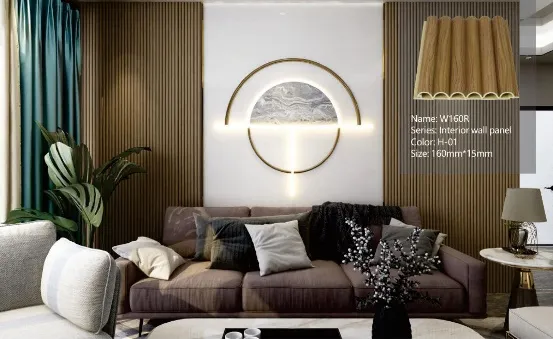
The answer depends on your priorities. Let's break it down:
Choose WPC Wall Panels if: You want a quick, DIY-friendly installation; hate scrubbing grout; need a moisture-resistant material; or prefer a warm, seamless look. WPC is ideal for busy families, renters (since it's often removable), or anyone who wants a low-maintenance kitchen that still feels cozy.
Choose Porcelain Slab Tiles if: You prioritize long-term durability (30+ years); love high-end, customizable styles; don't mind professional installation; or are willing to maintain grout lines. Porcelain is perfect for homeowners who want a timeless look, love bold design choices, or plan to stay in their home for decades.
And hey, there's no rule that says you have to choose one or the other! Some homeowners use WPC panels on upper walls for warmth and porcelain tiles as a backsplash behind the stove for heat resistance. Mixing materials can give you the best of both worlds.

WPC wall panels and porcelain slab tiles are both excellent choices for kitchen walls—they're just better suited to different lifestyles and design goals. WPC wall panel solutions offer modern convenience, warmth, and ease, while porcelain slab tile for wall solutions bring timeless durability and endless style options.
At the end of the day, the best material is the one that fits how you live, how you cook, and how you want your kitchen to feel. Whether you go with the modern flexibility of WPC or the classic resilience of porcelain, your walls will be ready to handle everything from morning pancakes to holiday feasts—all while looking great.
Recommend Products











