

Walk into any modern home, office, or retail space these days, and there's a good chance you'll spot walls that look like natural wood but feel surprisingly durable—resistant to scratches, moisture, and the chaos of daily life. Chances are, those walls are clad in WPC wall panels. Short for wood-plastic composite, WPC panels blend the best of both worlds: the warm aesthetic of wood with the toughness of plastic. It's no wonder they've become a go-to choice for interior decoration materials, loved by homeowners, designers, and contractors alike.
But here's the thing: not all WPC wall panels are created equal. And neither are the suppliers behind them. When you're investing in materials that shape the look and feel of a space for years to come, the difference between a smooth experience and a stressful one often comes down to two factors: warranty coverage and after-sales support. That's why choosing the right wpc wall panel supplier isn't just about comparing prices or designs—it's about finding a partner who stands behind their wpc wall panel solutions long after the sale.
Quick Example: Imagine a small café owner, Maria, who wanted to revamp her space on a budget. She opted for budget WPC panels from a no-name supplier, lured by the low price tag. Six months later, the panels near the coffee machine started warping from steam exposure. When she reached out to the supplier, she got a generic "sorry, not our problem" email. Moral of the story? A pretty panel is just a pretty panel if there's no backup when things go wrong.

Let's be honest: when we're shopping for home or office materials, our eyes tend to glaze over when we see "warranty" in the paperwork. We're busy comparing colors, textures, and installation costs. But warranty coverage is more than just legal jargon—it's a promise. It's the supplier's way of saying, "We believe in our product, and we'll help you if it doesn't perform as we said it would."
Take it from James, a contractor with 15 years of experience. "I once worked with a client who insisted on cutting costs by choosing a wpc wall panel supplier with no stated warranty," he recalls. "The panels looked great at first, but within a year, they started peeling at the edges. The client thought it was my installation fault, but after inspecting, it was clear the adhesive layer was defective. Without a warranty, the supplier ghosted us, and the client had to pay out of pocket to replace the entire wall. That's when I made it a rule: I only work with suppliers who offer clear, comprehensive warranties."
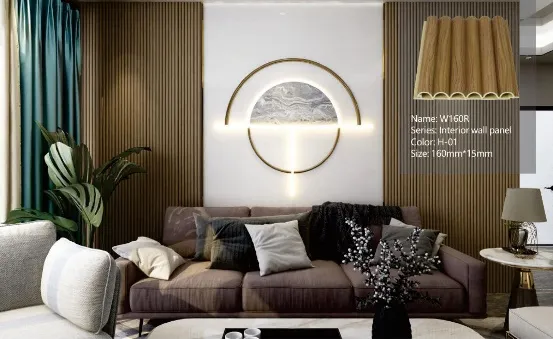
Warranty documents can feel like they're written in a foreign language, but breaking them down into key parts makes them much easier to understand. Here's what you need to check before signing on the dotted line:
Most reputable suppliers offer warranties ranging from 5 to 15 years, but the fine print matters. A "10-year warranty" might sound impressive, but is it for residential use only? Commercial spaces (like restaurants or offices) see heavier foot traffic and more wear—some suppliers shorten the warranty period for commercial projects. For example, one leading wpc wall panel supplier offers 12 years for homes but 8 years for businesses. Always ask: "Does this warranty differ for residential vs. commercial installations?"
A good warranty should cover manufacturing flaws: think uneven coloring, delamination (layers peeling apart), or warping caused by poor material quality. For instance, if a panel arrives with a crack in the core that wasn't visible during delivery, that's a manufacturing defect. But what about color fading? Some suppliers cover "significant fading" (defined as a color change beyond a certain percentage, measured by industry standards) for 5 years, while others exclude fading entirely. Be specific: "Does this warranty cover color fading from sunlight exposure?"
Equally important is knowing what's excluded. Most warranties won't cover damage from improper installation (like using the wrong adhesive or not leaving expansion gaps), misuse (e.g., hitting panels with heavy tools), or acts of nature (floods, fires, or extreme temperature swings). For example, if you install WPC panels in a sauna without confirming they're heat-resistant, and they warp, that's on you—not the supplier. Reputable suppliers will even provide installation guides to help you avoid these pitfalls, which is a sign they care about your success.
If you're a homeowner planning to sell in the future, this matters. Some warranties are transferable to the new owner, which can boost your home's resale value. Others are only valid for the original buyer. When touring a home, potential buyers often ask, "What warranties are in place for major materials?" A transferable warranty is a selling point—so ask your supplier upfront: "Is this warranty transferable if I sell my property?"

Warranty coverage is the safety net, but after-sales support is the lifeline that keeps your project on track. Even the best products can hit snags—maybe a batch of panels is the wrong shade, or your installer has a question about cutting techniques. That's when a supplier's true colors shine. Here's what to expect from exceptional after-sales support:
Ever sent an urgent question to a supplier and waited a week for a reply? Frustrating, right? Top suppliers prioritize quick responses—think 24-hour turnaround for emails and a dedicated phone line for emergencies. For example, a contractor friend once had a shipment of panels arrive with the wrong texture (smooth instead of wood-grain). He called the supplier's after-sales line, and within 4 hours, they arranged a replacement shipment to arrive the next day. "That's the difference between a supplier and a partner," he says.
For complex projects, like a high-rise apartment with custom panel designs, some suppliers offer on-site technical support. A representative might visit the job site to inspect installation, troubleshoot issues, or train your team on best practices. One wpc wall panel solutions provider even offers free on-site consultations for projects over 500 square feet—a small gesture that saves contractors hours of trial and error.
If a panel is defective, the last thing you want is to jump through hoops to get a replacement. Look for suppliers who offer "no-hassle" replacements: send photos of the issue, get approval within 48 hours, and have the new panel shipped at no cost. Some even cover the cost of removing the defective panel and installing the new one—though that's rare, it's a sign of a supplier that values long-term relationships.
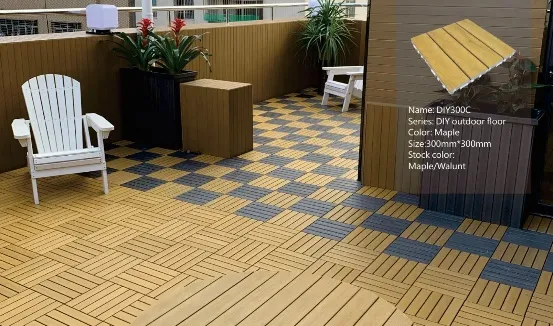
To make this tangible, let's compare three hypothetical wpc wall panel suppliers. (Names are fictional, but the scenarios are based on industry trends.)
| Supplier Type | Warranty Period | Key Coverage | After-Sales Perks | Potential Drawback |
|---|---|---|---|---|
| National Chain Supplier | 10 years (residential), 7 years (commercial) | Manufacturing defects, 5-year color fading coverage | 24/7 phone support, online installation guides, free replacements for defective panels | Limited on-site support; mostly remote troubleshooting |
| Regional Specialized Supplier | 15 years (residential), 10 years (commercial) | Manufacturing defects, color fading (10 years), warping due to material issues | On-site support for projects >300 sq ft, dedicated account manager | Higher price point; may not ship nationwide |
| Budget Online Supplier | 3 years (all projects) | Only manufacturing defects (no fading or warping coverage) | Email-only support (5-7 day response time), customer pays return shipping for defects | Minimal coverage; high risk for long-term projects |
Notice a pattern? The suppliers with stronger warranties and after-sales support tend to charge a bit more upfront—but they save you money (and stress) in the long run. As the saying goes: "Buy cheap, buy twice."
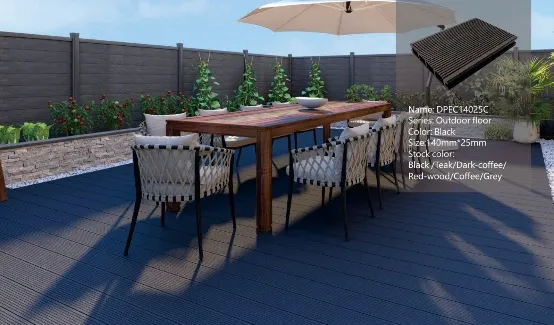
Many wpc wall panel suppliers also offer related products, which can streamline your project. For example, some are also a flooring supplier, offering WPC flooring that matches their wall panels—perfect for creating cohesive spaces. This "one-stop shop" model often comes with bundled after-sales support: a single point of contact for both walls and floors, and sometimes even discounts for combined orders. It's a small detail, but it makes a big difference when you're coordinating multiple materials.
At the end of the day, WPC wall panels are more than just a design choice—they're an investment in the comfort and durability of your space. And like any investment, they need protection. Warranty coverage and after-sales support aren't extras; they're essential. So the next time you're evaluating wpc wall panel solutions, ask tough questions: "What happens if a panel fails in 3 years?" "How quickly will you respond if I have an issue?" "Can I talk to past customers about their after-sales experience?"
Remember: the best wpc wall panel supplier isn't just selling you panels—they're selling peace of mind. And in a world where home and commercial projects are stressful enough, that's priceless.
Recommend Products











