

Your Ultimate Guide to Understanding, Choosing, and Installing Wood-Plastic Composite Materials
Ever wondered how modern buildings get that beautiful wood finish without the headaches of real wood? That's where WPC wall panels come in. These innovative materials are changing how we approach both interior and exterior design, giving us the best of wood and plastic without the drawbacks of either.
Picture this: you get the warmth and beauty of natural wood without the constant maintenance headaches. That's the magic of Wood-Plastic Composite (WPC) panels. These ingenious materials blend the best of both worlds - wood fibers and plastic polymers - creating something entirely new and remarkably practical.
At their core, WPC panels are made from recycled wood flour (typically 40-70%) and thermoplastics like polyethylene or PVC (30-60%), held together with additives that boost performance. The mix gets extruded or molded into panels that look like wood but act like highly engineered building materials. It's sustainability meeting practicality in the most beautiful way.
So what makes these panels tick? Let's peek under the hood:
Wood Components (40-70%) : This typically comes from recycled wood waste like sawdust or wood chips. It gives the panels that authentic wood texture we all love while putting waste materials to good use.
Plastic Polymers (30-60%) : High-density polyethylene (HDPE) and PVC are most common. These form the backbone of the panel, providing weather resistance, flexibility, and that crucial moisture barrier. For exterior applications, PVC-based formulas tend to excel because of their UV resistance.
Performance Enhancers (5-10%) : Here's where things get interesting. Manufacturers add things like UV stabilizers to prevent sun fading, fire retardants for safety, foaming agents to reduce weight, anti-microbial treatments to resist mold, and pigments for those gorgeous colors. These additives are what transform the mixture from basic building material to a high-performance surface.
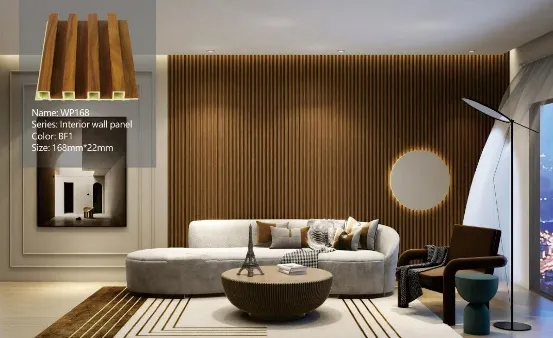
The early versions of WPC were pretty basic - think of them as the Model T of composite materials. They had a simple composition without distinct inner and outer layers. Performance-wise, they were okay but nothing to write home about - average weather resistance and minimal protection against scratches and stains.
If you're renovating a low-traffic area like a basement or utility room, first-gen panels might do the trick. But for high-impact spaces like kitchens, bathrooms, or outdoor applications, you'll want to upgrade to the newer versions.
Here's where things get exciting. The co-extruded panels have a dual-layer structure that changes everything:
This smart construction offers substantially improved hardness and durability. That outer shell adds critical protection against weather damage, plus it fends off scratches, stains, and mold like a champ. The best part? The surface looks more authentically like real wood grain than ever before, with deeper color options that retain their beauty year after year.
These advanced panels are game-changers for demanding environments - think busy restaurants, public parks, beachside properties, or anyplace that sees heavy use and lots of moisture exposure.
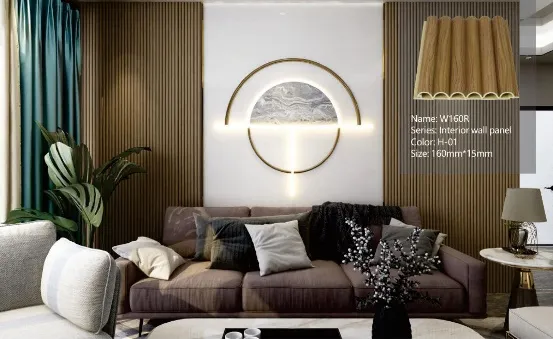
Ever wondered how those raw materials transform into beautiful panels? It's a fascinating journey:
Modern facilities use computer-controlled processes that precisely manage temperatures and pressures throughout production. This automation creates consistent, high-quality panels with predictable performance characteristics.
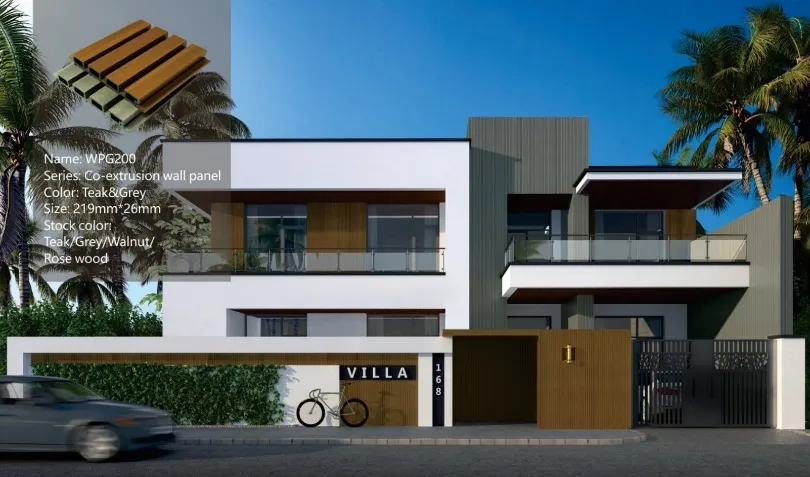
These aren't just pretty panels - they're packed with practical advantages:
Waterproof Superpower: Remember how wood swells and warps in humid conditions? WPC says "not today!" Its composite structure effectively locks out moisture, making it perfect for bathrooms, kitchens, and outdoor installations where traditional wood would fail.
Bug-Proof Design: Termites and carpenter ants turn real wood into their personal buffets. But they can't stand the taste of WPC. This inherent resistance means you'll spend zero time battling insect damage.
Style That Adapts: Today's WPC panels come in an array of colors and textures. Whether you want the classic look of oak, the warmth of teak, or contemporary gray tones, there's a panel to match your vision.
Easy Living: Remember all those weekends spent sanding and sealing your wood deck? With WPC, maintenance becomes an afterthought. An occasional wipe-down with mild soap and water keeps it looking fresh.
Think about that waterfront property you've dreamed about. WPC makes it possible with surfaces that laugh at humidity and salt spray. Or that sleek modern kitchen where spills happen - no more fretting about water stains!
Fire Safety First: Quality WPC panels typically achieve Class B fire ratings. They don't fuel fires and will actually self-extinguish if flames are removed - plus they don't release toxic fumes like some plastics.
Quiet Comfort: That hollow core construction isn't just for weight savings - it creates natural sound barriers. You'll notice the difference in busy restaurants, noisy hallways, or between apartments.
Energy Savings: WPC acts as natural insulation. Buildings using it report up to 30% energy savings compared to uninsulated alternatives - an environmental and budget win.
Green Credentials: With recycled wood and plastic content, plus being fully recyclable at end-of-life, WPC scores major eco-points. Look for panels with formaldehyde levels below the stringent EO standard.
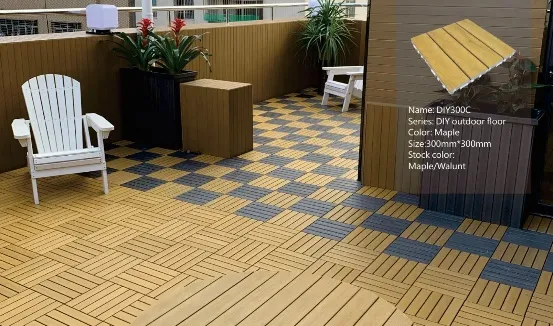
From cozy homes to high-traffic commercial spaces, WPC has proven its versatility:
Inside our homes and buildings, WPC is breathing new life into spaces:
Living Areas: Creating stunning accent walls in living rooms and bedrooms that become instant conversation pieces.
Kitchen & Bath: Revolutionizing spaces where water damage traditionally meant constant repairs. With WPC, backsplashes and shower surrounds now combine beauty and durability.
Commercial Spaces: In restaurants, hotels and offices, WPC withstands heavy traffic while maintaining its good looks. Plus, its acoustic properties help control noise in open-plan offices.
Outside is where WPC truly flexes its capabilities:
Building Facades: Serving as protective yet beautiful exterior cladding that stands up to rain, sun, and temperature extremes.
Landscape Design: From elegant privacy screens in gardens to weather-resistant kiosks in parks, WPC brings style to outdoor spaces.
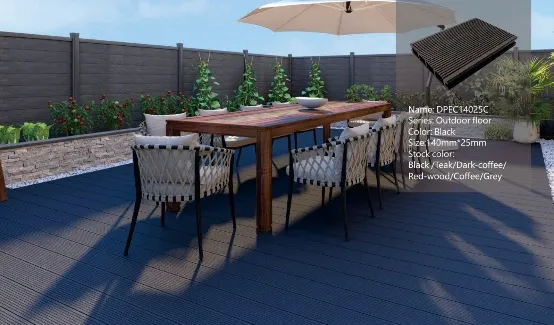
Terrace & Deck Areas: Creating stylish transitions between indoors and outdoors that don't require constant maintenance.
Coastal Properties: Offering ideal solutions for beach houses where salt and humidity devour traditional materials.
While DIY-friendly, a few professional tips make all the difference:
Surface Prep is Key: Start with a smooth, dry surface. Address any bumps or moisture issues first - they'll telegraph through over time.
Build Your Foundation: Create a solid framework using treated lumber or rust-resistant metal battens. This support system prevents sagging.
Plan Your Layout: Measure twice, cut once - as the saying goes. Account for expansion gaps (about 1/4") at all edges and joints.
Remember: WPC expands and contracts with temperature changes. On hot summer days, that beautiful tight joint might leave no gap at all - but come winter, that gap will reappear. Experienced installers know to leave room for this natural movement.
The "low maintenance" reputation of WPC is well-earned, but "no maintenance" is a myth. Here's how to keep it looking fresh:
Regular Cleaning: Every few months, give panels a gentle wipe with a soft cloth and mild soap solution. Avoid harsh chemicals and abrasives that might scratch the surface.
Moisture Management: In chronically damp areas (like shower rooms), ensure adequate ventilation to prevent mold growth elsewhere.
Hardware Checks: Twice yearly, inspect your fasteners and tighten any that have loosened due to material movement.
Damage Control: Address any major impacts promptly. While WPC is resilient, extremely heavy blows can cause dents.
UV Protection: In harsh sun areas, applying UV-protectant annually helps maintain color intensity.
| Feature | WPC Panels | Natural Wood | PVC Panels |
|---|---|---|---|
| Water Resistance | Excellent | Poor (Requires sealing) | Excellent |
| Insect & Rot Resistance | Superior | Vulnerable | Good |
| Fire Safety | Class B (Self-extinguishing) | Flammable | Melts/releases fumes |
| Life Expectancy | 30+ years | 10-20 years | 10-20 years |
| Maintenance Level | Low | High | Low |
| Aesthetic Appeal | Wood-like with color options | Natural beauty but ages | Plastic appearance |
| Eco-Friendliness | Uses recycled materials | Renewable but resource-intensive | Petroleum-based plastic |
| Installation Difficulty | Moderate | High (Specialized skills) | Easy |
| Long-Term Value | Higher upfront cost but lower lifetime expense | Lower initial cost but ongoing expenses | Low cost but may need replacement |
The wood-plastic composite industry is evolving rapidly as technology catches up to imagination:
Smarter Systems: The next generation of WPC integrates seamlessly with building systems - think built-in solar panels, enhanced thermal breaks, and advanced acoustic controls.
Greater Customization: New manufacturing techniques allow for specialized textures, embedded designs, and custom color matching at reasonable costs. Some manufacturers even incorporate brand elements directly into panels.
Sustainability Focus: As construction moves toward eco-certification programs like LEED, WPC's green credentials continue to improve. Expect higher recycled content and lower production footprints.
Performance Enhancements: Scratch-resistant finishes, UV blockers with 25-year warranties, and self-cleaning nano-coatings are moving from high-end offerings to mainstream products.
Global Adoption: While North America and Europe lead in exterior applications, Asia's construction boom is rapidly adopting WPC for both residential and commercial projects.
The smart money in construction is betting big on composites. As we move toward prefabricated buildings and sustainable design, WPC's combination of performance, aesthetics, and environmental responsibility makes it a material of choice for the future.
With all these options, how do you choose? Here's a practical approach:
Match to the Environment: Heavy moisture? Co-extruded panels. Indoor aesthetic feature? Focus on texture and color match. High-traffic area? Look for thick wear layers.
Consider the Full Picture: While initial cost matters, factor in maintenance savings over decades. A slightly more expensive premium panel can actually cost less overall when you calculate its lifespan.
Verify Certifications: Look for formaldehyde emission certifications, fire safety ratings, and waterproofing guarantees. Reputable manufacturers provide these willingly.
Work with Experts: Find an experienced building material supplier who specializes in composite materials. They'll know installation nuances and help avoid common pitfalls.
Ask for Samples: Always see actual panels in both direct sunlight and shade before committing. Colors can appear differently in various lighting conditions.
WPC wall panels represent that sweet spot where sustainability meets functionality and design. By transforming recycled wood and plastic into durable, beautiful surfaces, they solve problems traditional materials couldn't touch.
From humid bathrooms to sunny patios, high-end hotels to cozy cabins, these composite panels are proving their worth across countless applications. Their ability to withstand moisture, resist insects, stay beautiful with minimal care, and look good doing it makes them genuinely revolutionary.
As we look ahead, expect even more exciting developments in this space. The combination of improved manufacturing techniques, enhanced performance characteristics, and growing environmental awareness positions WPC as a material that will continue shaping our built environment for decades to come.
So next time you admire a beautiful accent wall or a weathered-looking facade that stays perfect year after year, take a closer look. Chances are, you're seeing the magic of wood-plastic composite panels - a building solution that beautifully bridges past materials and future possibilities.
Recommend Products











