

The Middle East's construction landscape is undergoing a remarkable transformation. From the soaring skylines of Dubai to the rapidly expanding urban hubs of Riyadh and Abu Dhabi, the region is synonymous with ambition—megaprojects that blend innovation, luxury, and functionality. As cities grow, so does the demand for building materials that can keep pace with harsh climates, stringent sustainability goals, and evolving aesthetic preferences. Among these materials, wall panels have emerged as a cornerstone of modern construction, offering both structural integrity and design versatility. In this dynamic market, one solution has risen to prominence: Wood-Plastic Composite (WPC) wall panels. More than just a building material, WPC panels are reshaping how architects, developers, and homeowners approach interior and exterior design. Let's dive into their world—exploring what they are, where they're making an impact, and why they're becoming a go-to choice for residential and commercial building materials suppliers across the Middle East.
At their core, WPC wall panels are a product of innovation—blending the best of natural and synthetic materials. Short for Wood-Plastic Composite, WPC is crafted by combining wood fibers (or sawdust) with thermoplastics (such as polyethylene or polypropylene), along with additives like UV stabilizers, colorants, and flame retardants. The result is a material that marries the warmth and texture of wood with the durability and low maintenance of plastic.
The manufacturing process typically involves mixing the raw materials, melting them under heat, and extruding the mixture into panels of various sizes and thicknesses. This versatility allows for a wide range of finishes—from smooth, modern surfaces to intricate wood grains that mimic oak, teak, or walnut. Unlike solid wood, WPC panels are uniform in density, resistant to warping, and free from knots or cracks, making them a consistent choice for large-scale projects.
The Middle East's climate—characterized by scorching summers, high humidity in coastal areas, and occasional sandstorms—poses unique challenges for building materials. Traditional options like solid wood or gypsum often struggle here: wood warps in humidity, gypsum crumbles with moisture, and painted surfaces fade under the intense sun. WPC wall panels, however, are engineered to thrive in these conditions. Here's why they're gaining traction:
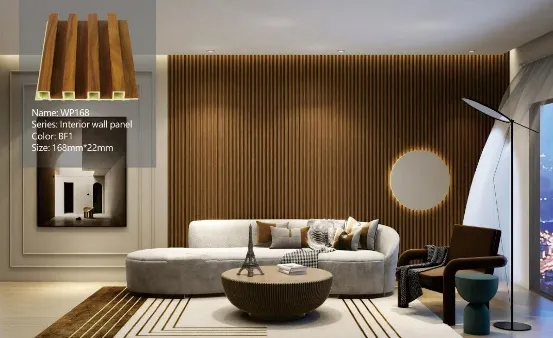
WPC wall panels aren't just a niche product—they're versatile enough to suit almost every sector of the Middle East's construction industry. From residential homes to commercial skyscrapers, here's how they're being put to use:
In cities like Dubai, Riyadh, and Doha, homeowners are increasingly prioritizing spaces that are both beautiful and built to last. WPC wall panels have become a favorite among residential building materials suppliers, offering a middle ground between luxury and practicality.
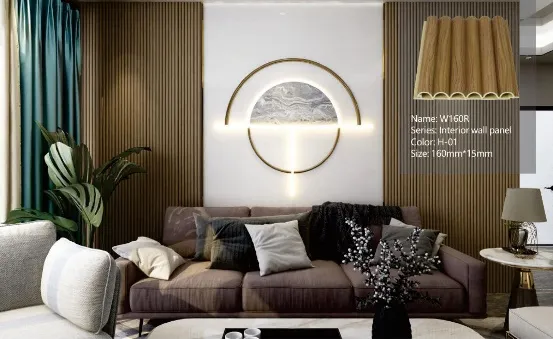
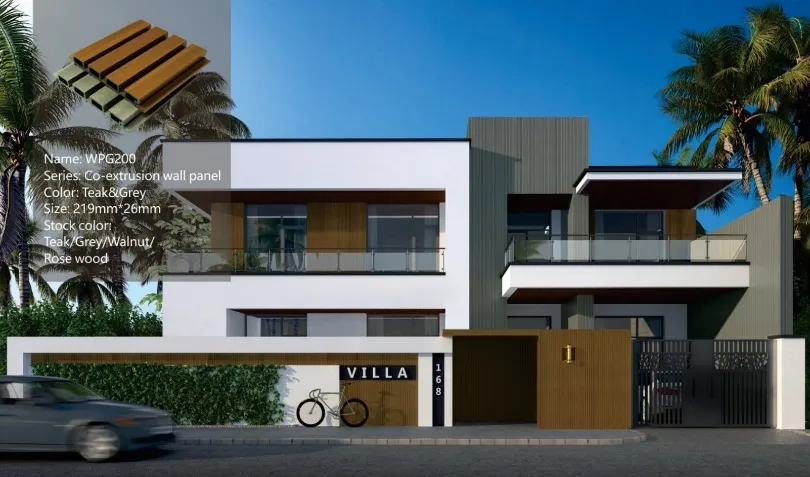
Interior applications include feature walls in living rooms, accent panels in bedrooms, and even kitchen backsplashes. Imagine a family villa in Jeddah where the living room's focal point is a WPC wall panel with a rich teak finish, complementing the neutral furniture and large windows. Not only does it add warmth, but it also stands up to the kids' sticky fingers and the occasional sand tracked in from the garden. For exterior use, WPC panels are often chosen for patio walls, garden fences, or villa facades—areas where resistance to rain, sun, and sand is non-negotiable.
Many residential projects now opt for WPC wall panel solutions as part of whole-house customization packages. Suppliers that position themselves as one-stop architectural solution providers can bundle WPC panels with flooring, ceiling, and even furniture, creating cohesive interiors that save homeowners time and hassle.
Commercial building materials suppliers are also embracing WPC wall panels, driven by the need for cost-effective, low-maintenance solutions. Offices, retail stores, and co-working spaces benefit from WPC's quick installation (panels can be clicked or glued into place, reducing labor time) and ability to withstand high foot traffic.
For example, a new tech startup office in Dubai's D3 district might use WPC panels in its breakout areas, choosing a light oak finish to create a relaxed, creative vibe. Retailers, meanwhile, appreciate how WPC's consistent appearance ensures brand uniformity across multiple store locations. Even restaurants and cafes are using WPC panels for their walls and booths, as they're easy to clean and resistant to food stains—a must in busy dining environments.
The hospitality sector—hotels, resorts, and serviced apartments—demands materials that can handle constant use while maintaining a premium look. WPC wall panels fit the bill, offering the elegance of wood without the upkeep. A luxury resort in Bahrain might use WPC panels in guest room headboards or corridor walls, where they resist scratches from luggage and stand up to daily cleaning with disinfectants.
In healthcare settings, while Class A fireproof CPL inorganic boards remain the gold standard for critical areas, WPC panels are finding a place in non-clinical spaces like waiting rooms or staff lounges. Their smooth surfaces are easy to sanitize, and their durability ensures they don't harbor bacteria—an added layer of safety in environments where hygiene is paramount.
To understand why WPC is gaining ground, it helps to see how it stacks up against other popular wall panel options in the Middle East. Below is a comparison with three alternatives:
| Material | Key Features | Best For | Sustainability | Cost Range* |
|---|---|---|---|---|
| WPC Wall Panels | Moisture-resistant, low maintenance, wood-like finish, UV stable | Residential, commercial, hospitality (interior/exterior) | High (uses recycled materials) | Mid-range ($20–$40/sq.m) |
| MCM Flexible Cladding | Lightweight, flexible, stone-like appearance, weather-resistant | Exterior facades, high-rise buildings | Moderate (some recycled content) | High ($50–$80/sq.m) |
| Bamboo Charcoal Board | Eco-friendly, odor-absorbing, natural antibacterial properties | Interior walls, bedrooms, eco-conscious projects | Very High (renewable bamboo) | Mid-to-high ($30–$60/sq.m) |
| Porcelain Slab Tile | Extremely durable, heat-resistant, wide design options | Kitchens, bathrooms, high-traffic commercial areas | Moderate (energy-intensive production) | High ($45–$90/sq.m) |
*Cost estimates based on regional market data (2024) and may vary by supplier, thickness, and finish.
The Middle East's construction boom shows no signs of slowing down. Saudi Arabia's Vision 2030, for instance, includes plans for NEOM—a futuristic city spanning 26,500 square kilometers—and the Red Sea Project, a luxury tourism development. Dubai continues to expand with projects like Dubai South and the Expo 2020 legacy sites. These mega-projects require massive quantities of building materials, and WPC wall panels are increasingly being specified for their balance of performance and cost.
Urbanization is another key driver. As more people move to cities, the demand for high-rise apartments and mixed-use developments rises. WPC panels, with their lightweight nature and quick installation, are ideal for these projects, where speed and efficiency are critical. Commercial building materials suppliers are responding by scaling up production and offering bulk pricing, making WPC even more accessible.
Governments and developers across the Middle East are placing sustainability at the forefront of construction. The UAE's Estidama program, Qatar's GSAS, and Saudi Arabia's LEED-certified projects all incentivize the use of eco-friendly materials. WPC wall panels align with these goals by reducing reliance on hardwood (which is often imported and costly) and diverting plastic waste from landfills.
Suppliers are capitalizing on this by marketing WPC as a "green" alternative, highlighting certifications like FSC (Forest Stewardship Council) for wood fibers and recycled content claims. One-stop architectural solution providers are also bundling WPC with other sustainable products—such as energy-efficient lighting or low-VOC paints—to create comprehensive eco-friendly packages.
Despite its advantages, WPC wall panel adoption faces hurdles. One key challenge is awareness: many contractors and homeowners still default to traditional materials like gypsum or solid wood, unaware of WPC's benefits. Education campaigns by suppliers—through workshops, trade shows, and digital content—are helping bridge this gap.
Cost is another factor. While WPC is mid-range in price, upfront costs can be higher than gypsum. However, suppliers are quick to point out the long-term savings: lower maintenance, longer lifespan, and reduced replacement costs make WPC a cost-effective choice over time.
Looking ahead, innovation is set to drive growth. Suppliers are experimenting with new additives to improve fire resistance and thermal insulation, expanding WPC's applications. Digital printing technology is also enabling hyper-realistic finishes, from marble to concrete, giving designers even more creative freedom.
As the Middle East continues to build for the future, WPC wall panels are poised to play a starring role. Their unique blend of durability, sustainability, and design flexibility addresses the region's specific needs, from harsh climates to evolving aesthetic tastes. For residential and commercial building materials suppliers, positioning WPC wall panel solutions as part of a one-stop architectural offering will be key to capturing market share—providing developers and homeowners with a seamless, end-to-end experience.
Whether it's a luxury villa in Dubai, a bustling office in Riyadh, or a beachfront hotel in Oman, WPC wall panels are more than just a building material—they're a testament to the Middle East's ability to blend tradition with innovation. As the market matures, one thing is clear: WPC isn't just a trend; it's a lasting solution that's here to build the region's future, one panel at a time.
Recommend Products











