

Anyone who's ever renovated a bathroom knows the drill: the endless decisions, the worry over materials that can stand up to steam and splashes, the balance between style and practicality. Bathrooms are unique spaces—they're small, high-moisture zones where functionality and aesthetics collide. And when it comes to walls, the stakes are even higher. A poor choice can lead to mold, warping, or constant upkeep. That's where WPC wall panels come in. In recent years, these panels have emerged as a game-changer for bathroom design, blending waterproof resilience with a surprisingly warm, natural look. But what exactly are they? How do they stack up against traditional options like tiles or drywall? And why should you consider a WPC wall panel supplier for your next project? Let's dive in.
First things first: WPC stands for Wood Plastic Composite. Think of it as a hybrid material that takes the best of two worlds: the natural texture and warmth of wood, and the water-resistant durability of plastic. It's made by blending wood fibers (often recycled, which is a win for eco-friendliness) with thermoplastics like polyethylene or polypropylene, then binding them together with adhesives and additives. The result? A rigid, lightweight panel that's built to handle moisture, scratches, and daily wear—without sacrificing style.
Unlike solid wood, which absorbs water and swells, or pure plastic, which can feel cold and artificial, WPC panels strike a balance. They're dense enough to resist water penetration, yet they come in a range of finishes—from rich oak grains to sleek modern grays—that mimic natural materials. And because they're manufactured in uniform panels, they're easier to install than, say, individual tiles, which require precise cutting and grouting. For homeowners and designers alike, this means less hassle and more consistency in the final look.
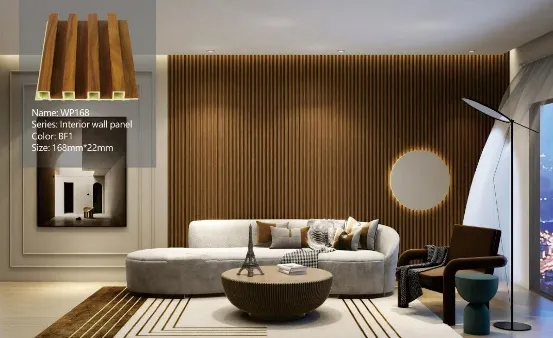
Let's start with the obvious: bathrooms are wet. Showers, sinks, steam—all of it creates a humid environment that can wreak havoc on traditional wall materials. Drywall, for example, soaks up moisture like a sponge, leading to peeling paint or even structural damage over time. Tiles, while water-resistant, have grout lines that trap mold and mildew, requiring constant scrubbing. WPC panels, though? They're waterproof by nature. The plastic component in their makeup creates a barrier that repels water, so even if a panel gets splashed or exposed to steam, it won't absorb moisture. This isn't just about avoiding mold; it's about peace of mind. You won't have to worry about hidden water damage behind the walls or costly repairs down the line.
Bathrooms are also hotbeds for bacteria. Warm, damp surfaces are the perfect breeding ground for germs, and traditional materials with porous textures or grout lines only make it worse. WPC panels, however, have a smooth, non-porous surface that leaves nowhere for bacteria or mold to hide. Unlike natural stone, which can develop tiny cracks over time, or painted drywall, which chips and peels, WPC panels stay sealed and intact. A quick wipe with mild soap and water is usually all it takes to keep them clean—a godsend for busy households or commercial spaces like hotels, where hygiene is non-negotiable.
Bathroom walls take a beating. From kids slamming doors to accidental bumps with shampoo bottles, they need to stand up to daily life. WPC panels are surprisingly tough. The wood-plastic blend makes them resistant to dents, scratches, and impacts—far more so than drywall or even some types of tile. They also don't fade in sunlight, so if your bathroom has a window, you won't end up with uneven discoloration over time. Many WPC wall panel solutions come with warranties of 10 years or more, which says a lot about their longevity. For homeowners, that translates to fewer replacements and more time enjoying the space, not fixing it.
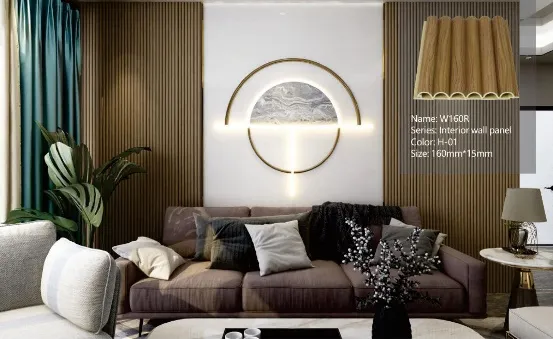
Here's the surprise: WPC panels don't look "plastic." In fact, thanks to advanced manufacturing techniques, they can mimic almost any texture or color. Want the look of reclaimed wood? There's a WPC panel for that. Prefer a sleek, modern concrete finish? Done. Even marble or stone-like patterns are available. This versatility means they fit into any design style, from rustic to minimalist. And because they're installed in large, continuous sheets (or planks), they create a seamless look that tiles—with their grout lines—can't match. Imagine a bathroom with walls that look like warm oak, but without the worry of water damage. That's the magic of WPC.
In an era where sustainability matters more than ever, WPC panels have another trick up their sleeve: they're often made with recycled materials. The wood fibers used are frequently sourced from sawdust or wood scraps that would otherwise go to waste, and the plastic component can include recycled polyethylene. This reduces the need for virgin materials and lowers the carbon footprint compared to, say, quarrying natural stone or manufacturing ceramic tiles. Plus, since they last longer, they reduce the need for frequent replacements—another win for the planet.
Still on the fence? Let's compare WPC panels to some common bathroom wall materials. The table below breaks down key factors like waterproofing, maintenance, cost, and aesthetics to help you decide.
| Material | Waterproofing | Hygiene | Maintenance | Installation Ease | Aesthetic Range | Cost (Avg. per sq. ft.) |
|---|---|---|---|---|---|---|
| WPC Wall Panels | Excellent (non-porous, water-resistant core) | High (smooth surface, no grout lines) | Low (wipe clean with soap and water) | Easy (interlocking or glue-down, no grout) | Wide (wood, stone, concrete, solid colors) | $8–$15 |
| Ceramic Tiles | Good (waterproof, but grout lines absorb moisture) | Medium (grout lines trap bacteria/mold) | High (grout needs sealing, scrubbing) | Hard (requires cutting, mortar, grout, curing time) | Wide (but limited by tile size/grout lines) | $5–$20+ (tiles + labor + grout) |
| Drywall + Paint | Poor (absorbs moisture, prone to warping/mold) | Low (porous, paint chips, hard to clean) | Very High (repainting, mold remediation) | Moderate (needs sealing, multiple coats of paint) | Limited (solid colors only) | $3–$8 (drywall + paint + labor) |
| Natural Stone (Marble/Granite) | Medium (porous, needs sealing every 6–12 months) | Low (porous surface traps bacteria) | Very High (sealing, polishing, stain removal) | Hard (heavy, requires professional installation) | Luxurious (unique veining, natural look) | $20–$50+ (stone + labor + sealing) |
As the table shows, WPC panels hold their own—offering better waterproofing and hygiene than tiles or stone, with far less maintenance than drywall. They're also more cost-effective than natural stone and often easier to install than tiles, making them a practical choice for both DIYers and professionals.
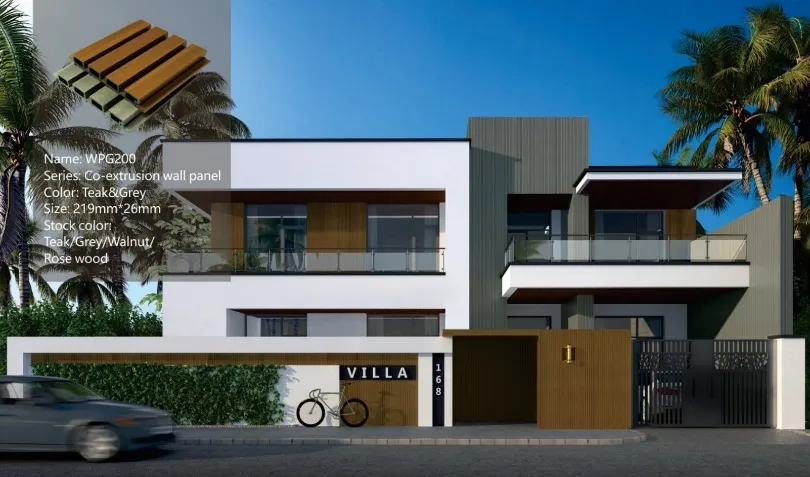
Not all WPC panels are created equal. To get the best results, it's crucial to partner with a reputable WPC wall panel supplier . Here's what to look for:
Don't be afraid to request samples, either. A sample panel can help you test texture, color, and even water resistance (try splashing some water on it and leaving it overnight—if it swells or warps, keep looking).
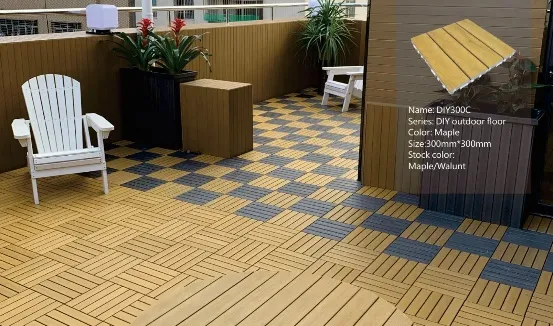
One of the biggest perks of WPC panels is how straightforward they are to install—especially compared to tiles. Most panels come with a tongue-and-groove system that locks together, eliminating the need for messy adhesives (though some may require a small amount of construction adhesive for extra stability). Here's a quick overview of the process:
For most bathrooms, a DIY-savvy homeowner can tackle installation in a weekend. But if you're not comfortable with power tools or have complex angles, hiring a professional is worth the investment. The key is to ensure the panels are installed tightly and evenly—gaps can let moisture in, defeating the purpose of their waterproof design.
Remember earlier when we mentioned low maintenance? It's not an exaggeration. WPC panels are designed to be hassle-free. Here's how to care for them:
Compare that to tiles, which require regular grout sealing, or natural stone, which needs annual polishing and sealing—WPC panels are practically set-it-and-forget-it.
A bathroom isn't just walls—it's a cohesive space where every element matters. WPC panels play well with other materials, making it easy to create a unified look. Here's how to coordinate them:
Many flooring supplier s now offer WPC flooring, which pairs perfectly with WPC walls. Since they're made of the same material, you can match colors or textures for a seamless, spa-like feel. For example, light gray WPC walls with matching gray WPC flooring create a calm, modern vibe. If you prefer contrast, try warm wood-tone panels with neutral tile flooring (just make sure the tile is also waterproof, like porcelain). The key is to avoid clashing textures—keep it simple and cohesive.
Once your walls are sorted, don't overlook the little things. A good bathroom accessories supplier can help you pick fixtures that complement your WPC panels. For a wood-tone panel, brushed brass or copper accessories (towel bars, soap dishes) add warmth. For sleek, modern panels, matte black or chrome works best. Even small touches, like a matching shower curtain or bath mat in a coordinating color, can tie the whole room together.
Still not convinced? Let's look at a few real-world examples where WPC panels have shined:
Bathrooms are more than just functional—they're spaces where we start and end our days. They deserve materials that can keep up with our lives without sacrificing style. WPC wall panels offer exactly that: waterproof protection, hygienic surfaces, durability, and a warm, natural look that feels anything but industrial. Whether you're renovating a small apartment bathroom or designing a luxury hotel suite, WPC wall panel solutions check all the boxes.
So, if you're tired of choosing between "practical" and "pretty," it might be time to reach out to a WPC wall panel supplier . With the right panels, you can have a bathroom that's easy to clean, built to last, and uniquely yours. After all, your bathroom should work for you—not the other way around.
Recommend Products











