When it comes to upgrading your home or commercial space, the walls play a starring role in setting the tone—they're not just structural; they're a canvas for style, durability, and functionality. In recent years, one material has risen to the top of homeowners' and contractors' wish lists: WPC wall panels. Short for wood-plastic composite, WPC panels blend the best of wood and plastic, offering the warmth of natural timber with the water resistance, durability, and low maintenance of synthetic materials. Whether you're revamping a bathroom, sprucing up a living room, or designing a commercial lobby, WPC panels check boxes for aesthetics, performance, and eco-friendliness (many are made from recycled materials). But once you've decided on WPC, a big question looms: Should you tackle installation yourself, or hire a professional? Let's dive into the world of WPC wall panels, exploring the ins and outs of DIY installation versus professional services to help you make the choice that fits your project, skills, and goals.
Understanding WPC Wall Panels: More Than Just a Pretty Surface
Before weighing installation options, let's get clear on why WPC has become a go-to for modern spaces. Traditional wall materials like drywall are prone to cracks and moisture damage, while solid wood demands constant upkeep (think painting, staining, and fighting rot). WPC panels solve these pain points: they're resistant to water, mold, and pests, making them ideal for high-moisture areas like bathrooms and kitchens. They're also lightweight, easy to cut, and come in a range of finishes—from rich wood grains to sleek neutrals—so you can match any design vision. Plus, as a
wpc wall panel supplier
will tell you, these panels often come with added perks like sound insulation and fire resistance, depending on the product line. For example, some WPC solutions are even paired with materials like
class a fireproof cpl inorganic board
in commercial settings, ensuring compliance with strict safety codes. In short, WPC isn't just a wall covering—it's a long-term investment in your space's look and longevity.
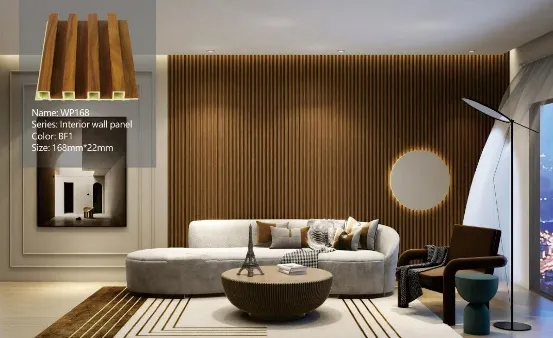
The Case for DIY Installation: Roll Up Your Sleeves and Save
For the hands-on homeowner or small-scale renovator, DIY installation can be tempting—and for good reason. Let's break down the pros, cons, and what you need to know before grabbing a drill.
Why DIY Might Be Right for You
-
Cost Savings:
Labor is often the biggest chunk of any renovation budget. By installing WPC panels yourself, you could slash project costs by 30-50%. For example, a 500-square-foot wall might cost $1,500 in materials alone, but hiring a pro could add another $1,000-$2,000 in labor. DIY lets you keep that cash for other upgrades, like new
flooring solutions
to complement your walls.
-
Flexibility and Control:
Hate waiting for contractors to show up? DIY means you set the schedule. Work on weekends, take breaks when needed, and tweak the design on the fly. If you want to experiment with a herringbone pattern or mix panel finishes, you won't have to convince a pro—just grab a saw and go.
-
A Sense of Accomplishment:
There's something satisfying about stepping back and saying, "I built that." DIY projects create pride in your home, and you'll learn skills that might come in handy for future repairs or upgrades.
The Drawbacks of DIY: What Could Go Wrong
-
Time and Patience Required:
WPC panels are user-friendly, but installation still takes time—especially if you're new to home improvement. A small bathroom wall might take a weekend, while an entire living room could stretch into weeks. Rushing increases the risk of mistakes, like uneven cuts or misaligned panels, which can ruin the final look.
-
Tools and Skill Gaps:
You'll need basic tools: a tape measure, level, circular saw or jigsaw, drill, and adhesive. If you don't own these, renting or buying them adds to your costs. And while WPC is forgiving, tasks like cutting around outlets or installing panels on uneven walls require precision. One wrong cut could waste expensive materials.
-
Warranty Risks:
Many
wpc wall panel supplier
warranties require professional installation to stay valid. If you DIY and a panel warps or peels later, the supplier might deny your claim. Always check the fine print before deciding—some brands offer limited DIY warranties, but they're often less comprehensive than pro-installed ones.
DIY Installation Steps: A Quick Guide
Ready to take the plunge? Here's a simplified step-by-step to help you get started:
-
Plan and Measure:
Start by measuring your wall area and calculating how many panels you need (add 10% extra for cuts and mistakes). Sketch a layout to avoid awkwardly small panel pieces at the edges.
-
Prep the Wall:
WPC panels need a smooth, clean surface. Fill cracks, sand down bumps, and remove any old wallpaper or paint. If the wall is uneven, you may need to install furring strips to create a flat base.
-
Cut the Panels:
Measure twice, cut once! Use a circular saw with a fine-tooth blade to cut panels to size. For intricate cuts (like around windows or outlets), a jigsaw works best. Always wear safety goggles and a dust mask.
-
Install the Panels:
Most WPC panels click together like puzzle pieces or attach with adhesive. Apply construction adhesive to the back of each panel, press firmly against the wall, and secure with finishing nails or screws (countersink the screws and fill with wood putty for a seamless look). Use a level every few panels to ensure they're straight.
-
Finish Up:
Add trim to hide edges, caulk gaps around windows and doors, and wipe down panels with a damp cloth to remove dust. Step back and admire your handiwork!
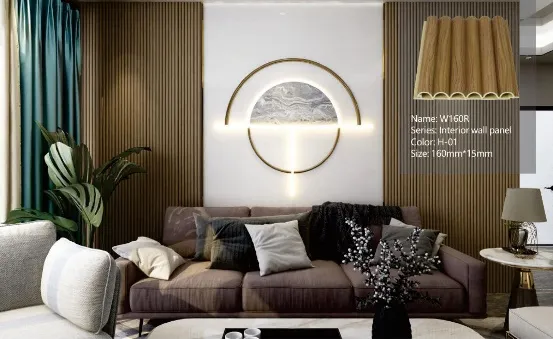
The Case for Professional Installation: Expertise That Pays Off
For those who prefer to leave it to the pros, hiring a professional installer offers peace of mind and precision. Let's explore why paying for labor might be worth every penny.
Why Professionals Shine
-
Speed and Efficiency:
Pros install WPC panels for a living—what takes you a weekend might take them a day. They have the tools, team, and experience to work quickly without sacrificing quality. For busy homeowners or commercial projects with tight deadlines, this alone can justify the cost.
-
Skill and Problem-Solving:
Walls are rarely perfectly straight, and unexpected issues (like hidden pipes or rotted studs) pop up. Professionals know how to adapt—they can shim uneven walls, cut panels with laser precision, and ensure panels are sealed to prevent moisture damage. A
wpc wall panel supplier
often trains their installers on product-specific techniques, so you know the job is done right.
-
Warranty and Accountability:
Professional installation usually comes with a labor warranty (often 1-5 years) on top of the manufacturer's material warranty. If panels loosen or warp, the installer will fix it at no extra cost. This safety net is invaluable for expensive or large-scale projects.
-
Access to Better Materials:
Pros often have relationships with suppliers, meaning they can get premium
wpc wall panel solutions
at wholesale prices. They might also recommend complementary products, like moisture barriers or soundproofing, that you might not know to ask for.
The Downsides of Hiring Pros: What to Watch For
-
Higher Costs:
Let's not sugarcoat it—professional installation isn't cheap. Labor can range from $3 to $8 per square foot, depending on your location and project complexity. For a 1,000-square-foot space, that's $3,000 to $8,000 added to your budget.
-
Scheduling Headaches:
Good installers book up fast, especially during peak renovation seasons. You might have to wait weeks (or months) to get on their calendar, delaying your project. And if the installer cancels last minute, you're back to square one.
-
Less Control Over the Process:
While pros will consult you on design, the day-to-day work is in their hands. If you have a specific vision (like a unique panel layout), you'll need to communicate it clearly upfront to avoid missteps.
What to Expect When Hiring a Pro
Professional installation typically follows a structured process: consultation (where they assess your space and recommend
wpc wall panel solutions
), measurement and material ordering, prep work (wall smoothing, repairs), installation, and cleanup. Reputable installers will also walk you through care instructions, so you know how to keep your panels looking new for years. Some even offer post-installation check-ins to address any issues.
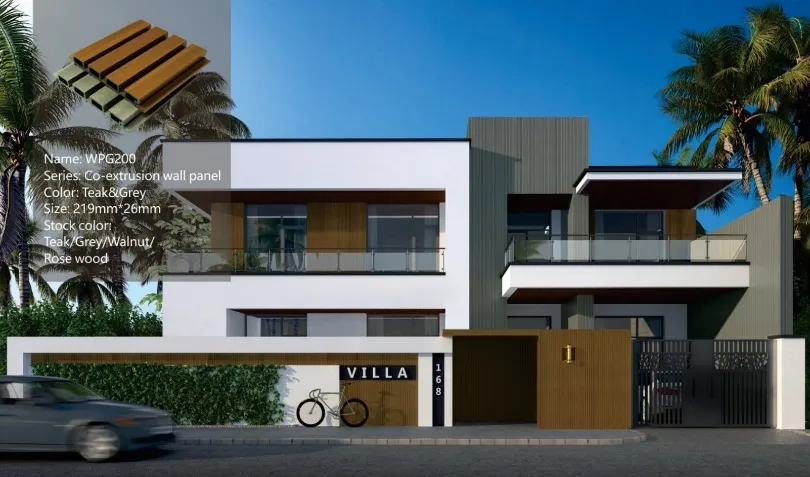
DIY vs. Professional Installation: A Side-by-Side Comparison
|
Factor
|
DIY Installation
|
Professional Installation
|
|
Cost
|
Lower (materials only; $1,000-$3,000 for 500 sq ft)
|
Higher (materials + labor; $2,500-$8,000 for 500 sq ft)
|
|
Time Investment
|
Longer (weekends or weeks, depending on skill)
|
Shorter (1-3 days for most projects)
|
|
Skill Required
|
Basic DIY skills (measuring, cutting, using tools)
|
Expertise in wall prep, panel cutting, and installation techniques
|
|
Quality of Result
|
Good if done carefully; risk of uneven panels or gaps
|
Consistently high-quality, with tight seams and level alignment
|
|
Warranty Coverage
|
Limited or none (check manufacturer terms)
|
Full manufacturer warranty + labor warranty
|
|
Risk of Mistakes
|
Higher (wasted materials, rework needed)
|
Lower (years of experience minimize errors)
|
|
Best For
|
Small projects, tight budgets, DIY enthusiasts
|
Large spaces, complex layouts, commercial projects, or those prioritizing speed/quality
|
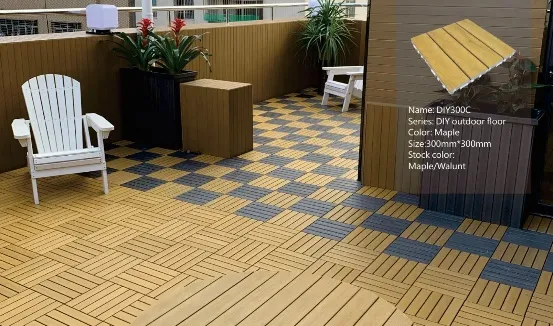
How to Decide: Key Questions to Ask Yourself
Still on the fence? Ask these questions to narrow it down:
-
What's my budget?
If labor costs would eat into funds for other upgrades (like new
flooring solutions
), DIY might be necessary. If you can afford it, pro installation is an investment in quality.
-
Do I have the time?
Can you dedicate 10-20 hours to the project? If work or family commitments leave you stretched thin, a pro will get it done faster.
-
Am I comfortable with tools?
If you've never used a circular saw or level, DIY could lead to frustration (and mistakes). Start small (e.g., a powder room) to test your skills before tackling larger areas.
-
Is the project complex?
Simple, flat walls are DIY-friendly. But if your space has curves, intricate angles, or requires fire-rated materials like
class a fireproof cpl inorganic board
, pros are better equipped to handle it.
-
How important is the warranty?
If you want peace of mind that defects will be covered, professional installation is the safer bet.
Real-World Stories: DIY Success and Pro Perfection
Let's look at two scenarios to see how these choices play out in real life.
Scenario 1: The DIY Enthusiast
Sarah, a homeowner in Texas, wanted to update her small bathroom walls on a $1,500 budget. She researched
wpc wall panel supplier
options, ordered 50 sq ft of waterproof WPC panels, and watched tutorials to learn installation. Over two weekends, she prepped the wall, cut the panels, and installed them with adhesive. The result? A sleek, moisture-resistant bathroom that cost just $800 (materials only). While there are a few tiny gaps between panels, Sarah is thrilled with the savings and loves telling guests she did it herself.
Scenario 2: The Commercial Renovator
A hotel chain in Saudi Arabia needed to revamp 200 guest room walls to meet safety codes. They chose WPC panels paired with
class a fireproof cpl inorganic board
for fire resistance. With tight deadlines and strict regulations, they hired a professional team recommended by their
wpc wall panel supplier
. The crew installed 4,000 sq ft of panels in two weeks, ensuring every seam was sealed and every panel aligned. The hotel saved time and avoided code violations—priceless for a business relying on guest satisfaction.
Final Thoughts: Choosing What's Right for Your Space
At the end of the day, there's no "one size fits all" answer. DIY installation is a great fit for budget-conscious, hands-on homeowners with simple projects and time to spare. Professional installation, meanwhile, shines for large-scale, complex, or time-sensitive jobs where quality and warranty protection are non-negotiable. Whichever path you choose, start by partnering with a reputable
wpc wall panel supplier
—they can guide you to the right products and even recommend trusted installers if you go pro. After all, WPC wall panels are designed to make your space better—whether you install them yourself or leave it to the experts, the result will be a wall that's as durable as it is beautiful.













