

Picture walking into a room where walls seem to dance with texture, where ceilings create architectural poetry, and stone surfaces radiate natural elegance without the weight – literally. That's the magic unfolding in homes and businesses today, thanks to a trio of materials changing how we think about interior spaces. WPC wall panels, WPC ceilings, and PU stone aren't just products – they're an interior design revolution rolled into tangible, touchable surfaces.
The market isn't just noticing – it's embracing. With the global WPC sector rocketing past $5.5 billion and growing at nearly 12% annually, this isn't a fleeting trend. From bustling Asian construction sites to chic European renovations, these materials are answering modern demands: sustainability meets beauty, durability meets creativity, and practicality meets artistry.
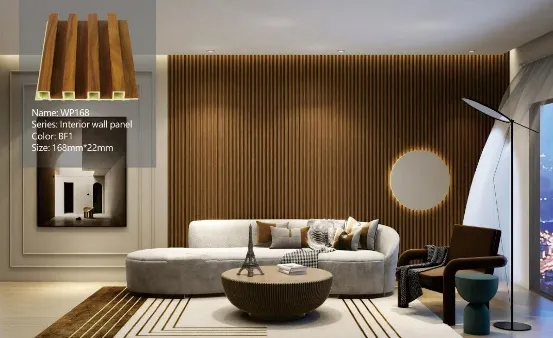
So what exactly makes wood-plastic composite panels so special? Imagine having your grandmother's beloved oak paneling but without its high-maintenance personality. WPC blends recycled wood fibers with polymers to create planks that laugh in the face of moisture, termites, and daily wear-and-tear.
Modern panels wear finishes that would make natural materials jealous. From oak grains so real you'll want to sniff them to bold matte monochromes, you're buying into style flexibility. And don't get me started on rotating grille systems – dynamic walls that play with light and shadow throughout the day.
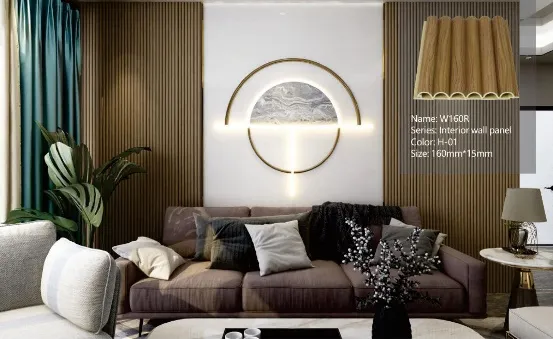
If walls are getting all the attention, ceilings have been the overlooked canvas – until now. WPC ceilings aren't just functional; they create spatial experiences. Imagine a geometric grid of rich wooden tones overhead, turning a plain room into an architectural statement.
Commercial spaces have been early adopters, with hotels and restaurants creating immersive environments through ceiling design. But homeowners are quickly realizing that a ceiling shouldn't just be an afterthought – it's the dramatic sky of your interior world.
The latest entrant in the wall decor revolution might be the most surprising. PU stone replicates quarried magnificence so authentically that even stone masons do double-takes. But try lifting it – that's where the magic reveals itself.
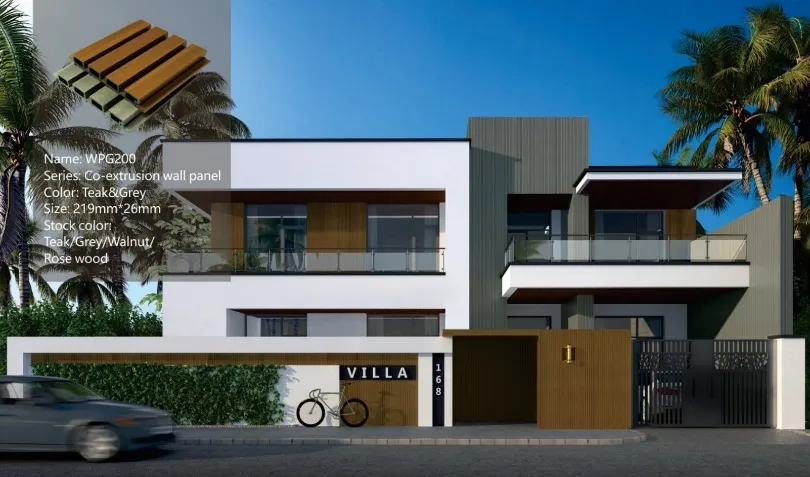
The versatility is breathtaking. From Tuscan villa finishes to modern industrial textures, from interior fireplace surrounds to exterior facades – all without structural concerns. Architects love it for retrofitting historical appearances onto modern structures without compromising integrity.
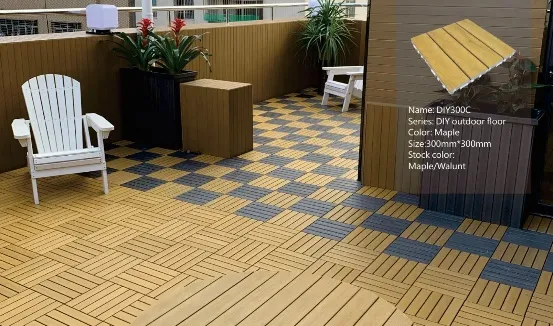
These materials aren't just pretty faces – they're solving real challenges across industries:
Healthcare's hidden hero: Hospitals use antimicrobial WPC panels and ceilings for hygienic yet warm environments. Fire-rated versions add critical safety layers without institutional coldness – proving safety and style coexist.
The evolution shows no signs of slowing. Emerging innovations include:
With environmental pressures increasing, these materials' sustainability stories will become even more valuable. Expect carbon-neutral manufacturing and closed-loop recycling systems to dominate the next generation.
The fusion of technology and aesthetics points toward "living surfaces" – walls and ceilings that actively participate in environmental comfort and sensory experiences rather than just enclosing space.
With such variety, how do you navigate? Key considerations include:
Bathroom vs balcony? Kitchen accent wall vs entire building facade? Different environments demand different specifications. Moisture-heavy zones need maximum water resistance, while sun-exposed areas require UV-stable formulations.
Your materials should speak the same design language. A minimalist concrete-look WPC panel might clash with ornate molding. Many suppliers now offer coordinated collections including complementary bathroom accessories for harmonious spaces.
Look beyond "green" marketing. Seek products with EPDs (Environmental Product Declarations), Cradle-to-Cradle certification, or reputable recycling program evidence. The lowest price often carries hidden environmental costs.
We're witnessing more than material evolution – we're seeing how interior surfaces fundamentally reshape living experiences. WPC panels, ceilings, and PU stone represent the convergence of environmental responsibility, technical innovation, and aesthetic freedom. They're democratizing design – allowing anyone to create spaces that were once only possible with unlimited budgets or structural compromises.
The trend is clear: walls are becoming active participants in our environments, ceilings are stepping into the spotlight, and stone is shedding its weighty traditions. This isn't just decoration; it's a renaissance in how we craft the spaces where life happens.
Recommend Products











