Saudi Vision 2030: A New Era of Sustainable Development
In the heart of the Middle East, Saudi Arabia is undergoing a transformation unlike any other. Driven by
Saudi Vision 2030
—a bold blueprint for economic diversification and societal progress—the kingdom is reimagining its cities, infrastructure, and future. At its core, Vision 2030 prioritizes sustainability, aiming to reduce carbon emissions, conserve resources, and build resilient communities. As urban centers expand and iconic projects like NEOM, The Line, and Qiddiya take shape, the construction industry stands at the forefront of this change. Traditional building practices, long reliant on resource-heavy materials and energy-intensive processes, are making way for innovative, eco-friendly alternatives. Among these,
WPC wall panels
have emerged as a quiet revolutionary, aligning seamlessly with the vision's goals to create greener, smarter, and more livable spaces.
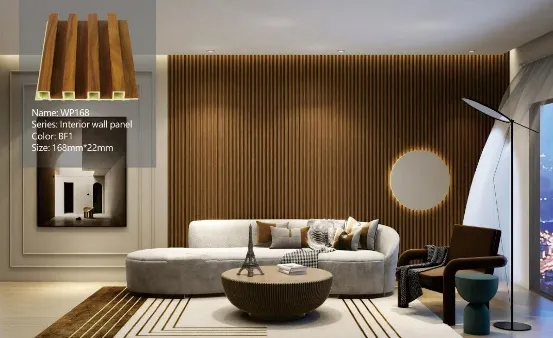
The Need for Sustainable Building Materials in Saudi Arabia
Saudi Arabia's rapid urbanization brings both opportunity and challenge. With a growing population and ambitious urban projects, the demand for building materials is soaring. Yet, conventional materials—such as solid wood, concrete, and vinyl—often come with hidden costs: deforestation, high carbon footprints, and short lifespans that lead to frequent replacements. In a region where water scarcity and extreme temperatures are daily realities, durability and resource efficiency are not just preferences but necessities.
Enter the modern
building material supplier
, tasked with balancing tradition and innovation. Today's projects require materials that can withstand Saudi Arabia's harsh climate—scorching summers, occasional sandstorms, and high humidity—while adhering to strict sustainability standards. For residential and commercial developers alike, the search is on for solutions that reduce environmental impact without compromising on quality, aesthetics, or cost. This is where
WPC wall panel solutions
step in, offering a compelling alternative that checks every box.
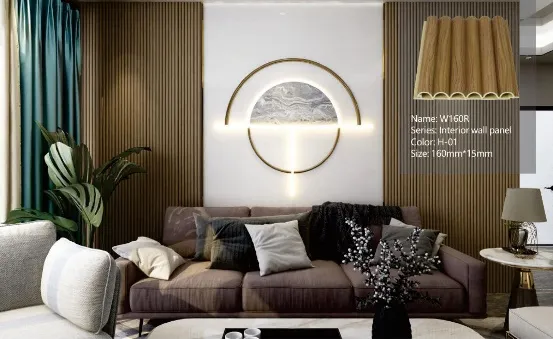
What Are WPC Wall Panels? A Sustainable Innovation
WPC, or Wood-Plastic Composite, is exactly what its name suggests: a blend of wood fibers (often recycled) and plastic polymers (also frequently recycled from post-consumer waste like bottles and packaging). This fusion creates a material that marries the best of both worlds: the natural look and feel of wood with the durability and low maintenance of plastic. Unlike traditional wood, WPC wall panels are engineered to resist moisture, pests, rot, and warping—qualities that make them ideal for Saudi Arabia's climate.
The manufacturing process of WPC panels is also a win for sustainability. By utilizing recycled materials, WPC production reduces reliance on virgin resources and diverts waste from landfills. Many
WPC wall panel suppliers
prioritize eco-friendly production methods, such as low-energy manufacturing and minimal use of harmful chemicals, further lowering the material's carbon footprint. The result? A wall panel that not only looks good but does good—for the planet and for project longevity.
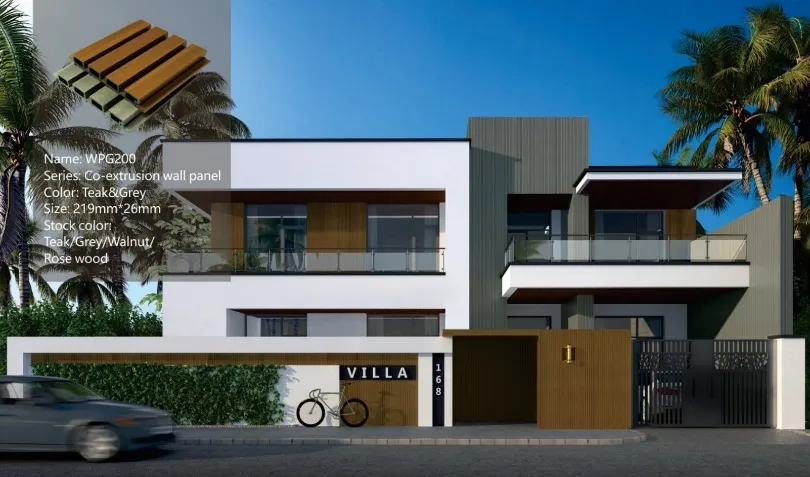
Why WPC Wall Panels Stand Out: Key Benefits for Saudi Projects
To understand why WPC wall panels are gaining traction in Saudi Arabia, let's break down their advantages—from sustainability to practicality:
1. Unmatched Sustainability:
WPC panels are often made with 50-70% recycled materials, reducing the need for logging and plastic production. Their long lifespan (up to 25 years with proper care) means fewer replacements, cutting down on waste. Additionally, they require no toxic treatments (like wood's need for pesticides or vinyl's plasticizers), making them safer for indoor air quality.
2. Durability in Extreme Conditions:
Saudi Arabia's heat and humidity can wreak havoc on traditional materials. Wood swells and rots; concrete cracks; vinyl fades. WPC panels, however, are designed to withstand temperatures up to 60°C (140°F) without warping, and their moisture resistance makes them perfect for coastal areas like Jeddah or high-humidity spaces like bathrooms.
3. Low Maintenance, High Savings:
For busy developers and homeowners, maintenance is a major concern. WPC panels require no painting, staining, or sealing—just an occasional wipe with soap and water. This translates to lower long-term costs compared to wood, which needs regular upkeep, or concrete, which often requires repairs.
4. Design Versatility:
WPC panels come in a range of finishes, from rich wood grains to modern neutrals, allowing architects and designers to achieve any aesthetic—whether traditional Saudi mud-brick charm or sleek, contemporary minimalism. They can be cut, shaped, and installed vertically, horizontally, or even as accent walls, making them suitable for everything from residential villas to commercial hotels.
5. Fire and Pest Resistance:
Safety is paramount in Saudi construction, especially for public spaces like schools and hospitals. Many WPC panels are treated to meet fire safety standards, and their plastic component makes them impervious to termites and other pests—a common issue with natural wood in the region.
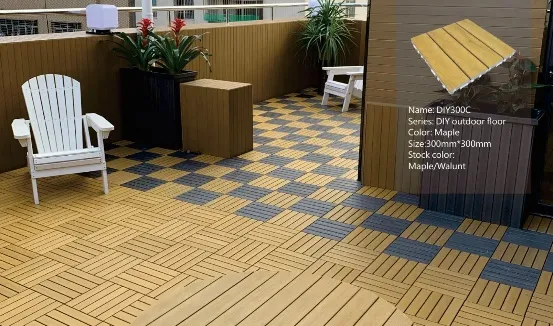
WPC vs. Traditional Materials: A Clear Comparison
To put WPC's benefits into perspective, let's compare it to three common wall materials used in Saudi Arabia:
|
Feature
|
Traditional Wood
|
Vinyl Panels
|
Concrete Blocks
|
WPC Wall Panels
|
|
Sustainability
|
Low (requires logging; short lifespan)
|
Low (made from virgin plastic; non-biodegradable)
|
Medium (high carbon footprint in production)
|
High (recycled materials; long lifespan)
|
|
Moisture Resistance
|
Poor (prone to rot and warping)
|
Good (but can crack in extreme heat)
|
Good (but porous; may absorb humidity)
|
Excellent (waterproof; no warping)
|
|
Maintenance Cost
|
High (annual painting/staining)
|
Medium (may fade; occasional replacement)
|
Medium (repairs for cracks)
|
Low (no painting; occasional cleaning)
|
|
Climate Suitability (Saudi Arabia)
|
Poor (heat and humidity damage)
|
Fair (heat can cause brittleness)
|
Good (but heavy; energy-intensive to transport)
|
Excellent (heat, humidity, and sandstorm resistant)
|
Aligning with Saudi Vision 2030: WPC Panels and Green Building Goals
Saudi Vision 2030 isn't just about grand projects—it's about embedding sustainability into every corner of society. The vision's National Transformation Program includes targets for green building, such as increasing the number of LEED-certified buildings, reducing energy consumption in construction by 30%, and promoting the use of local, eco-friendly materials. WPC wall panels align with these goals in tangible ways:
Reducing Carbon Footprint:
By using recycled materials and low-energy production, WPC panels lower the embodied carbon of buildings—critical for meeting Saudi Arabia's commitment to net-zero emissions by 2060. For example, a residential project using WPC wall panels instead of solid wood can reduce carbon emissions by up to 40% in material sourcing alone, according to industry studies.
Supporting Circular Economy:
Vision 2030 emphasizes a shift from a linear "take-make-dispose" model to a circular economy, where waste is minimized and resources are reused.
WPC wall panel solutions
embody this principle by turning waste into a valuable building material, closing the loop on plastic and wood waste.
Enhancing Energy Efficiency:
WPC panels offer natural insulation properties, helping buildings stay cooler in summer and retain heat in winter. This reduces reliance on air conditioning and heating, lowering energy bills and aligning with Saudi Arabia's push for energy conservation. In a country where air conditioning accounts for up to 70% of residential energy use, this is a game-changer.
Meeting Green Building Standards:
For developers aiming for LEED, Estidama, or Saudi Green Building Code (SGB Code) certification, WPC panels can contribute points in categories like "Materials and Resources" (recycled content) and "Indoor Environmental Quality" (low-VOC emissions). This makes them a strategic choice for projects seeking to align with Vision 2030's sustainability benchmarks.
The Role of WPC Wall Panel Suppliers: Beyond Materials, Solutions
A successful sustainable project relies not just on great materials but on great partners. Today's
WPC wall panel supplier
is more than a vendor—they're a
one-stop architectural solution provider
, offering expertise, customization, and support from concept to completion. For Saudi developers, this means access to:
Customization for Local Needs:
Every project is unique, and WPC suppliers understand that. Whether it's matching the warm tones of traditional Saudi architecture or creating sleek, modern designs for NEOM-style futuristic cities, suppliers offer tailored finishes, sizes, and textures to fit any vision.
Technical Expertise:
Installing WPC panels requires specific knowledge to ensure longevity. Reputable suppliers provide on-site training, installation guides, and technical support to contractors, ensuring panels are fitted correctly to withstand Saudi conditions.
Compliance and Certification:
Saudi Arabia has strict building codes, especially for fire safety and durability. Leading WPC suppliers ensure their products meet local standards, such as SASO (Saudi Arabian Standards Organization) certifications, giving developers peace of mind that their projects are compliant.
End-to-End Service:
From initial design consultations to post-installation maintenance tips, a full-service supplier simplifies the process, saving developers time and reducing the risk of delays. This is especially valuable for large-scale projects, where coordination between suppliers can make or break timelines.
Real-World Impact: WPC Wall Panels in Saudi Projects
While WPC panels are still gaining ground in Saudi Arabia, early adopters are already seeing results. Take, for example, a residential complex in Riyadh's King Abdullah Economic City (KAEC), a Vision 2030 flagship development. The project's architects chose WPC wall panels for exterior cladding and interior accent walls, citing sustainability and low maintenance as key drivers. Two years later, the panels show no signs of fading or warping, even after exposure to summer temperatures exceeding 50°C. Residents report lower energy bills due to improved insulation, and the developer estimates saving 35% on maintenance costs compared to a similar complex using traditional wood panels.
In Jeddah, a commercial office building opted for WPC wall panels in its lobby and common areas, drawn to their modern aesthetic and durability. The panels' resistance to moisture has proven invaluable in the coastal city, where humidity levels often exceed 70%. "We wanted a material that looked premium but could handle Jeddah's climate without constant upkeep," says the project manager. "WPC delivered on both fronts."
These case studies are just the beginning. As more developers experience the benefits of WPC wall panels, and as
residential building materials suppliers
expand their offerings, we can expect to see WPC become a staple in Saudi construction—from luxury villas to affordable housing, from schools to hospitals.
Looking Ahead: WPC Wall Panels and the Future of Saudi Construction
The future of WPC wall panels in Saudi Arabia is bright—and for good reason. As Vision 2030 accelerates, and projects like The Line (a 170-kilometer-long zero-carbon city) and NEOM (a regional hub for innovation) move from to reality, the demand for sustainable materials will only grow. WPC panels are poised to play a starring role, thanks to ongoing innovations:
Improved Fire Resistance:
Suppliers are developing WPC panels with enhanced fire-retardant properties, making them suitable for high-rise buildings and public spaces where fire safety is critical.
Integration with Smart Technology:
Imagine WPC panels embedded with sensors to monitor temperature, humidity, or structural integrity—turning walls into active participants in building management. Early prototypes are already in testing, with potential applications in smart cities.
Local Production:
To reduce reliance on imports and support Vision 2030's "Made in Saudi" initiative, some suppliers are exploring local manufacturing facilities. This would lower costs, reduce shipping emissions, and create jobs—aligning with the vision's economic diversification goals.
Of course, challenges remain. Awareness of WPC panels is still growing among smaller developers, and initial costs can be higher than traditional materials (though offset by long-term savings). However, as government incentives for green building increase and more success stories emerge, these barriers are likely to fade.
Conclusion: Building a Sustainable Legacy with WPC Wall Panels
Saudi Vision 2030 is more than a plan—it's a promise to future generations: a Saudi Arabia that is prosperous, sustainable, and resilient. In this journey, every material choice matters. WPC wall panels may seem like a small piece of the puzzle, but their impact is significant: reducing waste, lowering carbon footprints, and creating buildings that stand strong against time and climate.
For developers, architects, and
building material suppliers
, the message is clear: sustainability isn't an add-on—it's the foundation of successful, future-proof projects. By choosing WPC wall panels, they're not just building structures; they're building a legacy that aligns with Saudi Vision 2030's boldest aspirations.
As the kingdom continues to transform, one wall panel at a time, WPC stands as a symbol of what's possible: innovation that honors the past, protects the present, and inspires the future. The question isn't whether WPC wall panels will be part of Saudi Arabia's sustainable building revolution—it's how quickly we can embrace them.













