

Step into a modern home in Riyadh, a boutique hotel in Dubai, or a commercial lobby in Doha, and you'll notice a common thread weaving through the design: warmth. In the Middle East, where harsh sun and arid landscapes dominate the exterior, interiors have long served as sanctuaries of comfort—spaces that wrap you in softness, rich textures, and hues that echo the region's golden deserts and vibrant culture. Today, this tradition is evolving, blending time-honored motifs with contemporary innovation. At the heart of this evolution? The materials that shape our walls, floors, and ceilings. Among them, WPC wall panels have emerged as a standout choice, bridging functionality, sustainability, and the irresistible allure of warm, tactile design.
Interior decoration materials in the Middle East are no longer just about aesthetics; they're about storytelling. Designers and homeowners alike seek materials that honor local heritage—think the earthy tones of traditional mud-brick homes or the intricate patterns of Islamic art—while meeting the demands of modern life: durability in scorching heat, resistance to humidity, and low maintenance for busy households and high-traffic commercial spaces. It's a delicate balance, and WPC wall panels are rising to the challenge, offering a canvas where warmth and texture take center stage.
Walk through any design exhibition in the UAE or Saudi Arabia, and you'll hear the same buzzwords: "tactile," "inviting," "grounded." The Middle East's interior design scene is moving away from overly sleek, cold minimalism toward spaces that feel lived-in and human. Warm tones—sandy beiges, terracotta, amber, and soft wood grains—dominate palettes, mirroring the region's natural landscapes. Textures, too, are key: rough-hewn stone, woven fabrics, and layered materials that invite touch, creating depth and visual interest.
This shift isn't just about looks. In a region where families gather for long evenings and hospitality is a cornerstone of culture, interiors need to foster connection. A wall that feels smooth yet subtly textured, a panel that catches the light to reveal hidden grains—these details turn a room into a conversation starter. "We want spaces that feel like a hug," says Lina Hassan, a Dubai-based interior designer. "Materials that don't just look warm, but feel warm. That's where WPC wall panels shine—they bring the outdoors in, but in a way that's refined and easy to live with."
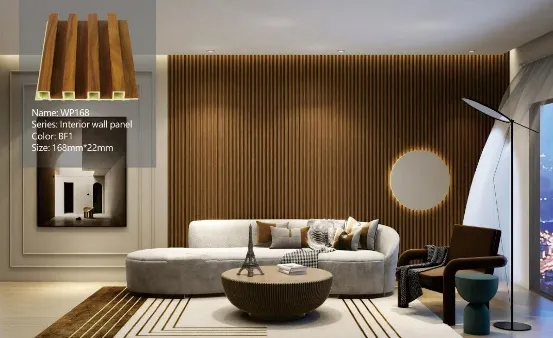
So, what exactly are WPC wall panels? Short for Wood-Plastic Composite, WPC is a blend of recycled wood fibers and plastic polymers, engineered to combine the best of both worlds: the natural beauty of wood and the durability of plastic. Unlike solid wood, which warps in humidity or fades in direct sunlight, WPC panels are built to withstand the Middle East's toughest conditions. But it's their aesthetic versatility that's making them a favorite among designers.
Imagine a wall panel that mimics the rich grain of oak, the warmth of teak, or the rustic charm of pine—all without the upkeep of real wood. WPC panels come in a spectrum of finishes, from smooth to embossed, allowing designers to play with texture. Whether you're aiming for a cozy residential living room or a sophisticated commercial lounge, these panels adapt, adding depth without overwhelming the space. "I recently used WPC panels with a wire-brushed wood texture in a Riyadh villa," says Hassan. "The client wanted the warmth of a traditional majlis but with a modern twist. The panels added that organic feel, and the family loves how it softens the room's lighting."
For residential building materials suppliers and commercial building materials suppliers, this adaptability is a game-changer. WPC wall panels aren't limited to one type of project; they work equally well in a family home, a hotel suite, or a restaurant. Their ability to blend with other materials—stone, metal, or fabric—makes them a flexible choice for designers looking to create layered, inviting spaces.
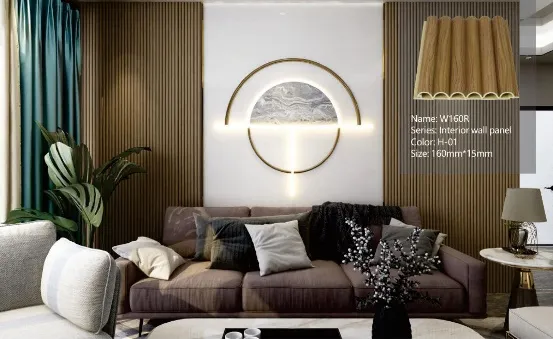
Living in the Middle East means contending with extremes. Summer temperatures soar above 40°C, while humidity levels can spike in coastal areas like Dubai and Kuwait. Traditional wall materials often struggle here: solid wood expands and contracts, paint peels, and even some stone panels require constant sealing. WPC wall panels, however, are engineered to thrive.
Key Benefits of WPC Wall Panels in the Middle East:
For a WPC wall panel supplier, these benefits translate to solutions that meet the region's unique demands. "We work closely with architects and contractors in Saudi Arabia and the UAE to develop WPC wall panel solutions tailored to local conditions," explains a representative from a leading residential building materials supplier. "For example, we've introduced panels with enhanced UV resistance for villas with large glass facades and moisture-proof options for hotel bathrooms. It's about listening to the market and delivering materials that don't just look good—they perform."
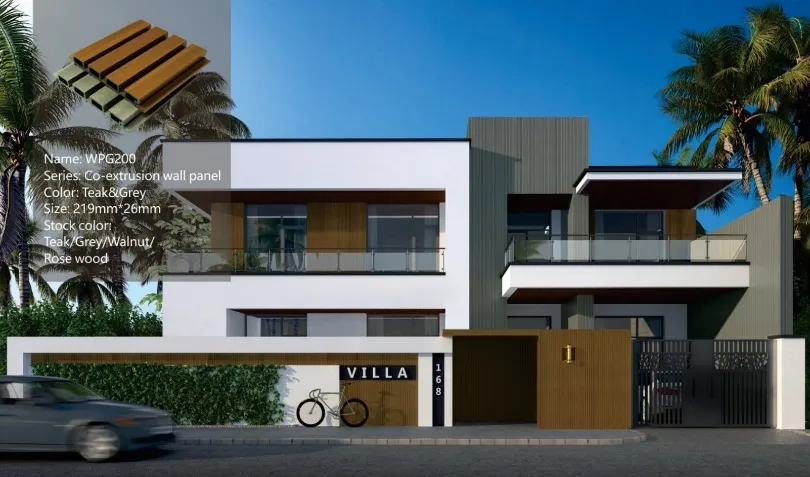
WPC wall panels aren't the only option for adding warmth and texture to Middle East interiors. Let's take a closer look at how they stack up against other popular materials, from traditional stone to modern composites:
| Material | Key Features | Best For | Warmth & Texture Level | Climate Resistance |
|---|---|---|---|---|
| WPC Wall Panels | Recycled wood-plastic blend, lightweight, easy to install | Residential living rooms, commercial lobbies, bedrooms | High (wood grains, soft textures) | Excellent (UV, moisture, heat resistant) |
| MCM Flexible Cladding | Stone veneer on a flexible backing, thin profile | Exterior facades, accent walls | Medium (natural stone texture, cooler tones) | Good (weather-resistant, but heavier installation) |
| Bamboo Charcoal Board | Antibacterial, odor-absorbing, eco-friendly | Bedrooms, nurseries, health-focused spaces | Medium (smooth, matte finish) | Moderate (less UV resistant than WPC) |
| Porcelain Slab Tiles | Large-format, high durability, stain-resistant | Kitchen backsplashes, high-moisture areas | Low (sleek, uniform, less tactile) | Excellent (heat, moisture, scratch resistant) |
What stands out about WPC? Its unbeatable combination of warmth, texture, and practicality. While stone and porcelain offer durability, they often feel cold to the touch, lacking the cozy appeal Middle East interiors crave. Bamboo charcoal boards add sustainability but fall short in UV resistance—critical for rooms with ample sunlight. WPC, however, checks all the boxes: it's warm, textured, durable, and adaptable, making it a top choice for both residential and commercial projects.
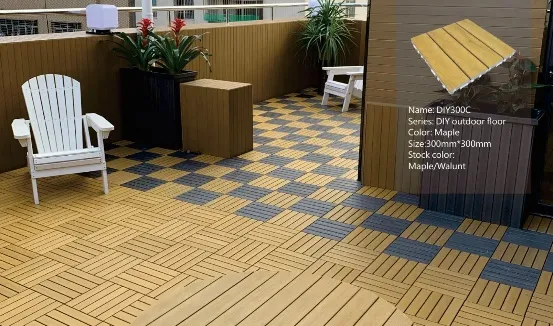
In residential settings, WPC wall panels are transforming ordinary rooms into retreats. Take the living room—a space where families gather for meals, conversations, and relaxation. Here, WPC panels in warm oak or beech tones create a focal wall behind the sofa, paired with woven rugs and plush cushions for a layered, inviting look. In bedrooms, lighter WPC shades (think ash or maple) add a calming vibe, while embossed textures mimic the softness of linen, promoting better sleep.
Homeowners in Jeddah and Abu Dhabi are also using WPC panels in unexpected places: home offices, walk-in closets, and even outdoor patios (thanks to weather-resistant variants). "I installed WPC panels in my home office to create a cozy, cabin-like feel," says a Riyadh-based entrepreneur. "The wood grain texture makes long workdays feel less stressful, and I love that I don't have to worry about coffee spills or sun damage from the window."
In commercial design, first impressions matter. Hotels, restaurants, and retail stores are turning to WPC wall panels to create lobbies and dining areas that feel upscale yet approachable. A boutique hotel in Bahrain, for example, used WPC panels with a reclaimed wood finish in its reception area, paired with brass accents and potted plants, evoking a sense of understated luxury. In fast-casual restaurants, WPC panels in terracotta and sand tones create a warm, casual atmosphere that keeps customers coming back.
For commercial building materials suppliers, WPC's durability is a major selling point. High-traffic areas like hotel corridors or shopping mall food courts need materials that can withstand bumps, scrapes, and frequent cleaning. WPC panels hold up to the wear and tear, maintaining their warm appearance for years—no chipping, fading, or warping.
With WPC wall panels growing in popularity, the market is flooded with options. But not all suppliers are created equal. To ensure you're getting panels that deliver on warmth, texture, and performance, look for these key qualities:
"We prioritize suppliers who see themselves as partners, not just vendors," says a Dubai-based contractor specializing in luxury homes. "A good WPC wall panel supplier will visit the site, understand the design goals, and recommend the best panels for the space—whether it's a residential villa or a commercial high-rise. That level of care makes all the difference in the final result."
As the Middle East continues to lead in innovative design, WPC wall panels are poised to play an even bigger role. Designers are experimenting with bolder textures—think 3D embossed patterns inspired by traditional Islamic geometry—and richer, more varied color palettes, blending warm neutrals with pops of terracotta or sage green. Sustainability will also take center stage, with suppliers exploring bio-based plastics and even more recycled materials to reduce environmental impact.
At the end of the day, the Middle East's love affair with warmth and texture is about more than trends—it's about creating spaces that reflect the region's soul. WPC wall panels, with their ability to merge tradition and innovation, are helping turn that vision into reality. They're not just materials; they're storytellers, weaving the past into the present, and making every interior a little more welcoming, a little more human.
So, whether you're designing a family home in Riyadh, a boutique hotel in Doha, or a commercial space in Kuwait, consider the power of WPC wall panels. Let their warm tones and tactile textures transform your space into a sanctuary—one that feels as good as it looks, and stands the test of time in the heart of the Middle East.
Recommend Products











