

Embarking on a renovation or construction project often feels like navigating a maze of choices—from color palettes to flooring materials, every decision shapes the final outcome. One question that frequently leaves homeowners and contractors scratching their heads is: "What thickness should my wall panels be?" When it comes to WPC (Wood-Plastic Composite) wall panels, this choice isn't just about aesthetics; it's about durability, functionality, and ensuring your investment stands the test of time. Whether you're revamping a living room, designing a commercial space, or sprucing up an outdoor patio, understanding WPC wall panel thickness is key to getting the results you want. Let's dive into everything you need to know to make an informed choice.
First things first: let's clarify what WPC is. Short for Wood-Plastic Composite, WPC panels are a blend of wood fibers, plastic, and additives that create a material that's both durable and versatile. Think of them as the perfect middle ground between traditional wood (which can warp or rot) and pure plastic (which lacks natural texture). WPC panels have skyrocketed in popularity as a go-to option for interior decoration materials and exterior decoration materials alike, thanks to their resistance to moisture, pests, and fading—plus, they're eco-friendly, often made from recycled materials.
But here's the thing: not all WPC panels are created equal. And one of the most critical variables? Thickness. From sleek, thin panels that add subtle texture to thick, robust options built for high-traffic areas, the right thickness can make or break your project's success.
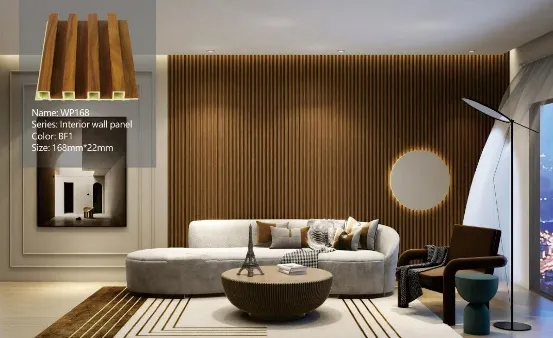
You might be tempted to pick the first thickness you see, assuming "thicker is better." While thickness does play a role in durability, it's not that simple. The right thickness depends on your project's unique needs. Here's why it matters:
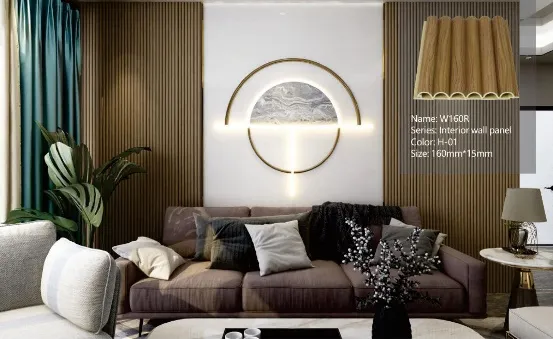
So, how do you narrow down the options? Let's break down the most important factors to weigh before making your choice.
The first question to ask is: Where will these panels go? WPC panels shine in both interior and exterior settings, but each demands different thicknesses.
Interior Spaces: For walls in living rooms, bedrooms, or home offices—areas with low moisture and moderate traffic—thinner panels (6mm to 12mm) often suffice. They're lightweight, easy to install, and cost-effective. For example, a 8mm panel adds subtle texture without overwhelming a small room, making it a popular choice for accent walls.
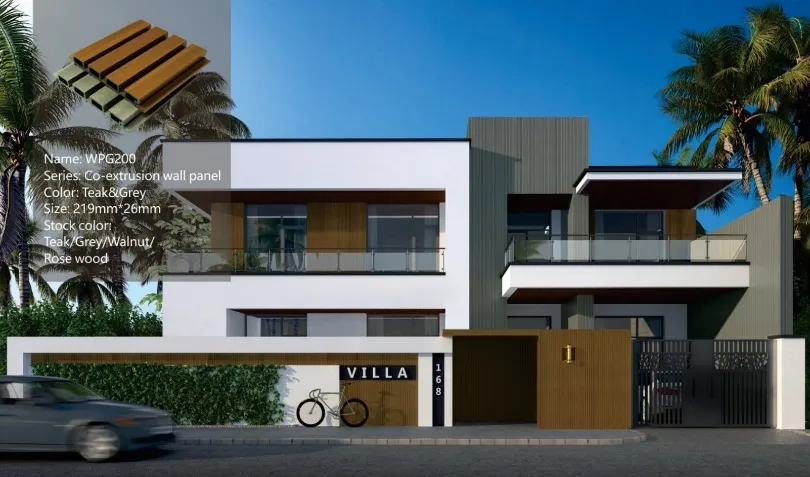
Exterior Spaces: Outdoor walls, patios, or pool areas face harsh conditions: rain, UV rays, temperature swings, and even mildew. Here, thickness is your ally. Opt for 12mm to 20mm panels (or thicker) to ensure durability. A 15mm panel, for instance, resists warping from moisture better than a thinner option, making it a staple for exterior decoration materials.
Beyond interior vs. exterior, think about the specific environment your panels will endure:
How much "abuse" will your walls take? A family room with kids and pets is a far cry from a quiet home office.
High-Traffic Areas: Hallways, commercial lobbies, or retail stores need panels that can handle bumps, scratches, and frequent cleaning. Go for 12mm to 18mm panels here—their thickness provides a buffer against daily wear and tear.
Low-Traffic Areas: Bedrooms or guest rooms? Thinner panels (6-10mm) are more than enough. They're easier to cut and install, saving time and money on labor.
Let's be real: budget plays a big role. Thicker panels cost more upfront, both in materials and installation (they're heavier and may require stronger adhesives or framing). If you're working with a tight budget, prioritize thickness for high-impact areas (like a living room accent wall) and save on thinner panels for low-traffic spaces (like a laundry room).
Pro tip: Many wpc wall panel suppliers offer bulk discounts, so buying all your panels from one source can help offset costs. Look for suppliers that bundle panels with installation guides or tools as part of their solutions—this can save you money in the long run.
Your design vision should guide your choice, too. Do you want a wall that blends into the background or stands out?
Sleek and Modern: Thin panels (6-8mm) with smooth finishes work best here. They're perfect for creating a monochromatic look or pairing with bold artwork.
Rustic or Textured: Thicker panels (15mm+) with wood grain or embossed patterns add depth. Imagine a feature wall in a cabin-style home—thick WPC panels mimic the look of real wood without the maintenance hassle.
Now that you know what to consider, let's explore the most common thicknesses and their best uses. Think of this as your cheat sheet for matching thickness to project.
Best for: Accent walls, ceiling panels, or temporary installations. 6mm panels are lightweight and flexible, making them easy to curve around corners or use as ceiling cladding. They're not ideal for high-traffic areas but work well for adding a pop of color or texture in low-wear spaces.
Best for: Most interior walls, including living rooms, bedrooms, and home offices. 8mm panels strike a balance between cost, durability, and aesthetics. They're thick enough to handle moderate traffic and thin enough to install without heavy tools. Many homeowners love them for their versatility—they pair well with both modern and traditional decor.
Best for: Bathrooms, kitchens, or basements. 10mm panels add a bit more heft than 8mm, making them better at resisting moisture and minor impacts. They're still lightweight enough for DIY installation but offer extra peace of mind in humid spaces.
Best for: Covered outdoor areas (like a porch) or high-traffic interior spaces (hallways, kids' rooms). 12mm panels are durable enough to withstand light rain and UV exposure, though they're not recommended for fully exposed exteriors. Indoors, they hold up well to scuffs and are a favorite for commercial projects like cafes or retail stores.
Best for: Exposed exteriors (patios, pool surrounds) or commercial high-traffic areas (restaurants, gyms). 15mm panels are thick, rigid, and built to last. They resist warping, fading, and impact, making them a top choice for exterior decoration materials. They also offer better insulation, which can help reduce energy costs in outdoor structures like sunrooms.
Best for: Extreme conditions or heavy-duty applications. 18mm+ panels are rare but essential for projects like outdoor retaining walls, commercial facades, or areas with heavy machinery. They're expensive but offer unmatched durability—think of them as the "tank" of WPC panels.
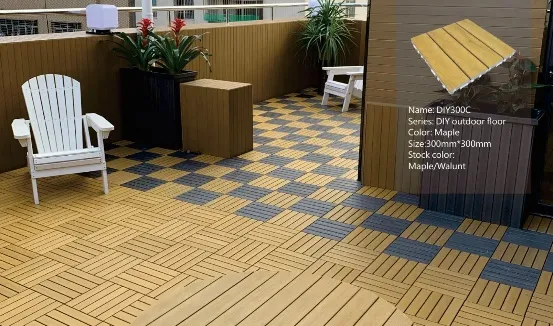
| Thickness | Ideal Application | Pros | Cons |
|---|---|---|---|
| 6mm | Accent walls, ceilings, low-traffic interiors | Lightweight, affordable, flexible | Not durable for high traffic; poor moisture resistance |
| 8mm | Most interior walls (living rooms, bedrooms) | Balances cost, durability, and ease of installation | Not ideal for extreme moisture or heavy impact |
| 10mm | Bathrooms, kitchens, basements | Better moisture resistance; handles moderate traffic | Slightly heavier than 8mm; higher cost |
| 12mm | Covered exteriors, high-traffic interiors | Durable, resists light weathering, good for commercial use | Requires stronger adhesives; heavier to install |
| 15mm | Exposed exteriors, pool areas, busy commercial spaces | Excellent durability, UV/moisture resistance, insulation | Expensive; requires professional installation |
| 18mm+ | Industrial projects, retaining walls, extreme conditions | Unmatched strength and longevity | Very heavy; limited design options; high cost |
Installing WPC panels isn't rocket science, but thickness affects the process. Here's what to keep in mind:
Pro tip: Always check the manufacturer's guidelines. Reputable wpc wall panel suppliers provide detailed installation instructions tailored to each thickness, ensuring your panels stay secure for years.
You might wonder: Will a thicker panel last longer? In general, yes—thicker panels are more resistant to wear and tear. But maintenance still plays a role. Here's how to keep your WPC panels looking new, regardless of thickness:
At the end of the day, even the perfect thickness won't matter if your panels are low-quality. That's why partnering with a reliable wpc wall panel supplier is crucial. A good supplier doesn't just sell panels—they offer wpc wall panel solutions tailored to your project.
What should you look for in a supplier?:
Remember, your supplier is your partner in this project. Don't settle for someone who just ships panels—choose one that helps you make the most of your investment.
Choosing WPC wall panel thickness boils down to balancing your project's needs: where the panels will go, the conditions they'll face, your budget, and your design goals. There's no "one-size-fits-all" answer, but by considering the factors we've covered—application, environment, traffic, and aesthetics—you'll be well on your way to picking the perfect thickness.
And when in doubt? Consult a professional. A reputable wpc wall panel supplier can assess your space, discuss your vision, and recommend the ideal thickness as part of their comprehensive wpc wall panel solutions. After all, the best projects start with informed choices—and the right panel thickness is the foundation of a wall that looks great and lasts for years.
So, whether you're dreaming of a sleek 8mm accent wall in your living room or a rugged 15mm exterior for your patio, remember: thickness isn't just a number. It's the key to turning your vision into a space that's both beautiful and built to last.
Recommend Products











