

If you've ever found yourself staring at a stack of material quotes, wondering why one vendor calls themselves a "supplier" and another a "distributor," you're not alone. In the world of construction and interior design, these terms are thrown around so often they can start to blur—like two similar paint swatches that look identical until you hold them side by side. But here's the thing: the difference between a WPC wall panel supplier and a distributor isn't just semantics. It's the difference between getting a product that's tailored to your project, backed by technical expertise, and fits your budget… or settling for something that's "close enough" but leaves you with unexpected costs, delays, or compromises.
Let's start with a scenario we've all lived (or will live) through. Imagine you're managing a mid-sized commercial renovation—a boutique hotel in downtown Riyadh, maybe. The design calls for durable, eco-friendly wall panels that can withstand high foot traffic but still look sleek. Your contractor mentions WPC (wood-plastic composite) wall panels as a top choice, and suddenly you're drowning in emails from "suppliers" and "distributors" alike. One promises bulk discounts, another offers next-day delivery, a third talks about "custom color matching" and "fire safety certifications." How do you know which one is right for you? How do you avoid signing a contract only to realize they can't actually deliver what you need?
In this article, we're going to break down the roles of suppliers and distributors, why those roles matter when you're sourcing materials like WPC wall panels, and how to decide which partner aligns with your project goals. We'll even dive into what "wpc wall panel solutions" really means (hint: it's not just about selling you panels) and why working with a one-stop architectural solution provider might be the game-changer your project needs. By the end, you'll be able to walk into any vendor meeting with confidence, knowing exactly what to ask—and exactly what to watch out for.
Let's start with the basics. A supplier is the origin point of the supply chain—the company that either manufactures the product itself or sources it directly from the manufacturer. Think of them as the "source" in "sourcing materials." For WPC wall panels, a supplier might own a factory where they blend wood fibers, plastic resins, and additives to create those panels from scratch. Or they might partner directly with a manufacturer (domestically or internationally) to act as the exclusive provider of that product in a region—say, a Saudi Arabia-based supplier that imports WPC panels directly from a state-of-the-art facility in Europe.
But here's what makes suppliers unique: they're not just in the business of selling products. They're in the business of solving problems. That's where terms like "wpc wall panel solutions" come into play. A supplier doesn't just hand over a stack of panels and say, "Good luck." They'll work with you to understand your project's specific needs: Is the panel going in a high-moisture area like a bathroom? They'll recommend a water-resistant WPC formula. Do you need it to meet Saudi building codes for fire safety? They'll provide lab-tested certifications. Are you working with a custom design that requires panels in an unusual size or texture? They'll adjust their production line to make it happen.
Suppliers thrive on long-term relationships. They're invested in your project's success because your success means repeat business—and referrals. That's why they often offer more than just materials: technical support during installation, after-sales service if something goes wrong, and even training for your team on how to maintain the panels. For example, a reputable WPC wall panel supplier might send a technician to your job site to walk your crew through proper cutting and mounting techniques, ensuring the panels last for decades instead of years.

Now, let's talk about distributors. If suppliers are the source, distributors are the bridge between the source and the end user. They don't manufacture products themselves. Instead, they buy large quantities of materials—like WPC wall panels—from suppliers, store them in warehouses, and resell them to contractors, retailers, or even individual homeowners. Think of them as the "middlemen" who keep the supply chain moving, ensuring products are available when and where they're needed.
Distributors excel at convenience. Let's say you're a small contractor working on a residential renovation, and you only need 20 WPC wall panels instead of 2,000. A supplier might have a minimum order quantity (MOQ) that's too high for your project, but a distributor? They've got those 20 panels sitting in a warehouse 20 minutes from your job site, ready to be delivered tomorrow. They're the reason you don't have to wait 6-8 weeks for a factory to produce a small batch—they've already done the waiting, so you don't have to.
But convenience comes with trade-offs. Since distributors buy from suppliers and then resell, they add a markup to cover their own costs (warehousing, transportation, staff). That means the per-unit price you pay for WPC wall panels from a distributor will almost always be higher than if you bought directly from a supplier. And while some distributors offer basic support—like help with returns or tracking orders—they rarely have the deep technical expertise of a supplier. If you need advice on which WPC panel is best for a hospital (where fire safety is non-negotiable) versus a retail store (where aesthetics might take priority), a distributor might not have the in-house knowledge to guide you. They can tell you what's in stock, but not necessarily what's *right*.

To really understand how suppliers and distributors stack up, let's compare them side by side. We'll focus on the factors that matter most when you're sourcing WPC wall panels (or any building material, for that matter): cost, customization, lead time, support, and reliability.
| Factor | WPC Wall Panel Supplier | Distributor |
|---|---|---|
| Pricing | Lower per-unit cost for bulk orders (no middleman markup). Discounts for large quantities or repeat projects. | Higher per-unit cost due to markup (covers warehousing, transportation, and resale costs). May offer small-order discounts but rarely matches supplier bulk pricing. |
| Customization | Offers tailored solutions: custom colors, sizes, textures, or performance features (e.g., enhanced fire resistance, moisture protection). Can adjust production to meet unique project specs. | Limited customization. Typically sells only what's in stock or available through pre-negotiated supplier agreements. Custom orders may require minimum quantities or long lead times. |
| Lead Time | Longer lead times (4-8 weeks on average) for custom orders, as products are manufactured or sourced directly. Shorter lead times for standard products in stock. | Shorter lead times (1-5 days) for in-stock items, as products are stored locally. Longer lead times for out-of-stock items (dependent on supplier availability). |
| Technical Support | Provides in-depth expertise: material specifications, installation guidance, compliance with local building codes (e.g., Saudi Arabia's fire safety standards), and troubleshooting. | Basic support: order tracking, delivery updates, returns processing. Limited technical knowledge; may refer questions back to the supplier. |
| Minimum Order Quantity (MOQ) | Higher MOQs (often 500+ units for custom orders) to justify production costs. Lower MOQs for standard, in-stock products. | Lower MOQs (sometimes as low as 10-20 units) to accommodate small projects or urgent needs. |
| Reliability for Large Projects | More reliable for long-term or large-scale projects. Can guarantee consistent quality and supply over months (critical for projects with phased construction). | Risk of stockouts for high-demand products. May struggle to meet sudden increases in order volume (e.g., if your project expands mid-way). |
At first glance, the choice might seem obvious: if you need bulk, customization, or technical support, go with a supplier; if you need small quantities or fast delivery, go with a distributor. But like most things in construction, it's rarely that black and white. Let's take a closer look at why this decision matters specifically for WPC wall panels—and why "wpc wall panel solutions" are about more than just the panels themselves.

WPC wall panels aren't your average building material. They're a hybrid of wood and plastic, designed to combine the best of both worlds: the natural look of wood with the durability of plastic. They're water-resistant, termite-proof, and low-maintenance—qualities that make them ideal for everything from residential living rooms to high-traffic commercial spaces. But those qualities also mean they're more complex than, say, a basic drywall sheet. The way they're manufactured (the ratio of wood to plastic, the additives used for UV resistance, the installation system) directly impacts how well they perform over time.
That's where a WPC wall panel supplier's expertise becomes invaluable. A reputable supplier doesn't just sell you panels—they sell you "wpc wall panel solutions." What does that mean, exactly? It means they take the time to understand your project's unique challenges and then recommend a panel that's engineered to solve them. For example:
In short, "wpc wall panel solutions" are about partnership. A supplier becomes an extension of your team, invested in making sure the panels don't just look good on day one, but perform well for the life of the building. A distributor, while convenient, is more like a vending machine—you get what's available, when it's available, but there's no one there to help you make sure it's the right fit.
Let's put this into perspective with a real-world story (names changed for privacy). A construction company in Riyadh was hired to build a 50-unit residential complex. The developer wanted WPC wall panels in the living rooms and bedrooms for their modern look and low maintenance. The project manager, Ali, decided to go with a distributor for "convenience"—they promised delivery within 3 days, and the price per panel seemed reasonable.
The first red flag came two weeks in: the panels started warping in the Saudi heat. Ali called the distributor, who blamed "improper installation" and suggested he contact the manufacturer. The manufacturer, based in China, took a week to respond—and when they did, they said the panels weren't designed for high-temperature climates (a detail the distributor had failed to mention). By then, 20 units were already installed, and the developer was threatening to withhold payment.
Desperate, Ali turned to a local WPC wall panel supplier that specialized in "wpc wall panel solutions for Middle Eastern climates." The supplier sent a technical team to the site within 48 hours, assessed the damage, and explained the problem: the distributor had sold them a generic WPC panel designed for temperate regions, not the extreme heat of Saudi Arabia. The supplier then proposed a solution: a high-temperature-resistant WPC panel with a modified plastic blend that could withstand temperatures up to 50°C (122°F). They even offered to help remove the faulty panels and replace them at a discounted rate, using their own installation crew to ensure it was done right.
The result? The project was delayed by three weeks, but the developer was satisfied with the quality, and Ali avoided a lawsuit. The lesson? Choosing a distributor for convenience cost him time and money in the long run. A supplier, with their focus on solutions and regional expertise, would have asked about the climate from the start—and recommended the right panel from day one.
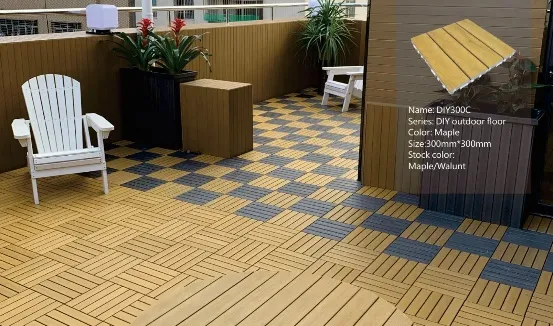
In recent years, a new player has emerged in the building materials space: the one-stop architectural solution provider. These companies blur the lines between supplier and distributor, but with a key difference: they offer a full suite of products and services under one roof, from WPC wall panels to flooring, ceilings, and even pipes and fittings. Think of them as suppliers with the convenience of distributors—and distributors with the technical expertise of suppliers.
A one-stop provider isn't just a "supplier of many things"—they're a strategic partner who can streamline your entire material sourcing process. For example, if you're building a hotel, you don't have to coordinate with a WPC wall panel supplier, a flooring supplier, a ceiling supplier, and a pipes fittings supplier separately. Instead, you work with one company that handles all of it, ensuring consistency in quality, delivery timelines, and pricing.
But what makes a one-stop provider different from a distributor with a big inventory? It's the depth of their solutions. A one-stop provider doesn't just sell you WPC wall panels and flooring—they offer integrated solutions that tie those products together. For instance, they might recommend a WPC wall panel that complements their wood-grain flooring, ensuring the design flows seamlessly. They can also coordinate delivery so that your wall panels arrive the same week as your flooring, preventing delays (no more waiting for one material while the other sits idle on-site).
For large projects—like a shopping mall or a school—this integrated approach is a game-changer. It reduces the number of vendors you have to manage, cuts down on communication errors, and often leads to bulk discounts across multiple product lines. And because they're still a supplier at heart, they offer the same customization and technical support you'd expect from a specialized WPC wall panel supplier. Need your WPC panels to match the color of your custom flooring? They can do that. Need help ensuring all materials meet Saudi building codes? Their in-house compliance team has you covered.
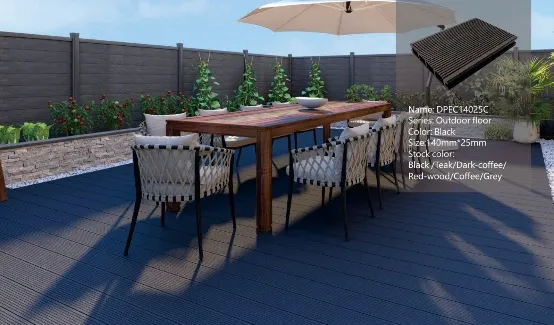
By now, you might be thinking, "Okay, I get the difference—but how do I decide which one is right for *my* project?" The answer depends on three key factors: project size, timeline, and complexity.
Choose a WPC wall panel supplier if:
Choose a distributor if:
Choose a one-stop architectural solution provider if:
At the end of the day, the choice between a WPC wall panel supplier and a distributor isn't just about price or delivery times. It's about trust. Can you trust that the vendor you're working with understands your project's needs? Can they back up their promises with expertise and accountability? Will they be there when something goes wrong (because let's face it—something *always* goes wrong in construction)?
If you're sourcing WPC wall panels for a project that matters—one that will be seen by thousands, used daily, or needs to stand the test of time—investing in a supplier who offers "wpc wall panel solutions" is worth every penny. They're not just selling you a product; they're selling you peace of mind. And in an industry where delays, cost overruns, and quality issues are par for the course, peace of mind is the most valuable material you can buy.
So the next time you're comparing quotes, don't just look at the bottom line. Ask questions: "Can you customize this panel to meet our fire safety needs?" "Do you have technical experts on staff who can help with installation?" "What happens if the panels don't perform as expected?" The answers will tell you everything you need to know about whether you're talking to a vendor… or a partner.
Recommend Products











