

Walk into any modern home or commercial space today, and you'll likely notice a subtle yet impactful element shaping its character: the walls. Gone are the days when walls were merely functional dividers—today, they're canvases for creativity, storytelling, and practicality. As interior decoration materials evolve, one solution has risen to the top of designers' and homeowners' lists: wood-plastic composite (WPC) wall panels. More than just a trend, WPC has become a staple for those seeking the perfect blend of durability, aesthetics, and sustainability. In this article, we'll dive into the world of WPC wall panels, explore the latest trends driving their popularity, and share insights from leading wpc wall panel supplier experts who are redefining what's possible in interior design.
Before we jump into trends, let's start with the basics: What exactly is WPC, and why has it become a go-to for residential building materials supplier and commercial projects alike? WPC, or wood-plastic composite, is a hybrid material crafted from a blend of recycled wood fibers (often sawdust or wood chips) and thermoplastics (like polyethylene or polypropylene). This combination marries the best of both worlds: the warm, organic look of wood with the resilience and low maintenance of plastic.
For homeowners tired of the upkeep of traditional wood panels—staining, sealing, and fighting off termites—WPC offers a breath of fresh air. It's moisture-resistant, making it ideal for bathrooms, kitchens, and basements. It's scratch-resistant, so busy families with kids or pets don't have to stress over daily wear and tear. And unlike pure plastic panels, it avoids that clinical, artificial feel, instead mimicking the texture and grain of real wood, stone, or even concrete. Little wonder that wpc wall panel solutions are now a top request for interior designers aiming to balance style and practicality.
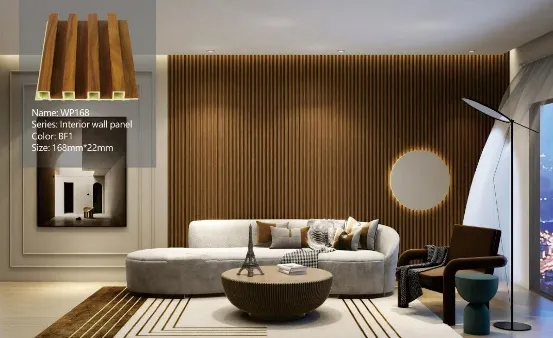
The WPC industry isn't static. Leading suppliers are constantly innovating, driven by shifting consumer demands, advancements in technology, and a growing focus on sustainability. Here are the key trends defining the future of WPC wall panels:
Today's consumers don't just want "green" products—they demand proof. With climate change concerns front and center, interior decoration materials that prioritize sustainability are no longer optional. WPC suppliers are stepping up by increasing the use of recycled content: many now use up to 80% recycled wood and plastic in their panels, diverting waste from landfills. Some are even obtaining FSC certification for their wood fibers, ensuring responsible forestry practices. Low-VOC (volatile organic compound) adhesives and coatings are also becoming standard, improving indoor air quality—a detail that matters deeply to families and businesses alike.
"Sustainability isn't just about materials; it's about the entire lifecycle," explains a product developer at a leading Saudi Arabia-based WPC supplier. "We're designing panels that last longer, reducing replacement needs, and ensuring they're recyclable at the end of their life. Clients—especially in the residential sector—are willing to invest a bit more upfront for products that align with their values."
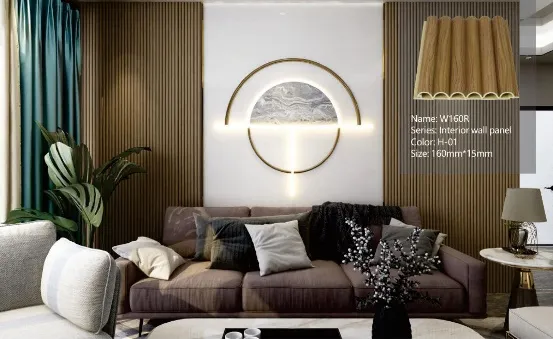
Gone are the days when WPC panels only came in a handful of generic wood tones. Today's suppliers are leveraging advanced printing and embossing technologies to offer an almost limitless range of finishes. Want the rich, dark grain of walnut for your home office? Done. Dreaming of a industrial concrete look for your restaurant's accent wall? Consider it handled. Even bold colors—from soft pastels to deep emeralds—are on the menu, allowing designers to create custom palettes that match any vision.
But it's not just about looks. Texture is taking center stage, too. Suppliers are experimenting with 3D embossing, creating panels with tactile, handcrafted feels that add depth to walls. Imagine running your hand over a panel that mimics the rough-hewn surface of a mountain stone or the smooth, weathered planks of a coastal cottage—all without the weight or fragility of natural materials. This versatility has made WPC a favorite for both residential spaces (think cozy living rooms and modern bedrooms) and commercial projects (retail stores, hotels, and co-working spaces).
While WPC has always been durable, suppliers are pushing the envelope with new formulations that tackle old pain points. One key area is fire resistance. While WPC isn't typically Class A fireproof (that's more the domain of specialized materials like Class A fireproof CPL inorganic boards), leading suppliers are developing panels with improved flame retardancy, meeting Class B or C ratings for safer use in high-traffic areas. Impact resistance is another focus: newer WPC blends can withstand heavy knocks without chipping, making them suitable for garages, gyms, or kids' playrooms.
Thermal and acoustic insulation are also getting upgrades. Some WPC panels now include foam cores or layered designs that help regulate room temperatures and reduce noise transmission—perfect for open-concept homes or busy offices where privacy and comfort matter. "We're not just selling panels; we're selling solutions," says a technical consultant at a wpc wall panel supplier specializing in commercial projects. "Clients want materials that do more than look good—they want them to solve problems, whether that's soundproofing a conference room or keeping energy bills low."
One-size-fits-all is a thing of the past. Today's homeowners and designers crave uniqueness, and WPC suppliers are delivering with bespoke options. Want panels cut to specific dimensions to fit an awkwardly shaped wall? No problem. Need a custom color to match your brand's logo for a retail space? Suppliers can mix pigments to get the exact shade. Even surface patterns are customizable—some suppliers offer digital printing, allowing clients to feature custom artwork, logos, or even family photos on their walls (though we don't recommend that for high-traffic areas!).
This level of customization has made WPC a hit with luxury residential projects, where personalization is key. For example, a recent high-end home in Riyadh featured WPC panels with a custom "driftwood" finish in the living room, paired with complementary panels in a soft gray stone texture in the dining area—all supplied by a local residential building materials supplier that worked closely with the designer to bring the vision to life.
With so many wall panel options on the market—from bamboo charcoal boards to MCM flexible cladding—it's natural to wonder: What makes WPC stand out? To help you decide, we've put together a comparison of WPC with other popular interior decoration materials :
| Material Type | Core Composition | Key Advantages | Best For | Sustainability | Price Range |
|---|---|---|---|---|---|
| WPC Wall Panels | Recycled wood fibers + plastic | Moisture-resistant, low maintenance, versatile finishes | Residential interiors, bathrooms, kitchens | High (recycled content, reduces deforestation) | Medium |
| Bamboo Charcoal Board Wall Panels | Bamboo fibers + activated charcoal | Natural odor absorption, antimicrobial properties | Bedrooms, nurseries, wellness spaces | High (sustainable bamboo, biodegradable) | Medium-High |
| MCM Flexible Cladding Stone Wall Panels | Mineral composite + polymer backing | Lightweight, weather-resistant, ideal for exteriors | Building facades, outdoor patios | Medium (some recycled minerals) | High |
| PVC Wall Panels | Polyvinyl chloride (plastic) | Waterproof, budget-friendly, easy to install | Basements, utility rooms, temporary spaces | Low (non-biodegradable, limited recycled content) | Low |
As the table shows, WPC strikes a sweet spot between affordability, sustainability, and versatility. It may not have the natural odor-fighting properties of bamboo charcoal boards or the exterior durability of MCM cladding, but for interior spaces where style, maintenance, and cost matter most, it's hard to beat.
With WPC's popularity booming, the market is flooded with suppliers—but not all are created equal. So, how do you find a partner you can trust? Here are key factors to consider:
Start by checking for quality certifications. Reputable suppliers will have ISO 9001 (quality management) or ISO 14001 (environmental management) certifications. For eco-conscious buyers, look for FSC certification (ensuring wood fibers come from responsibly managed forests) or GREENGUARD certification (low chemical emissions). Don't hesitate to ask for product samples—touch and feel the panels, test their flexibility, and check for uniformity in color and texture.
The best suppliers offer more than panels—they offer wpc wall panel solutions . This means providing technical support, installation guides, and even on-site training for contractors. Some suppliers also stock complementary products like trim pieces, adhesives, or sealants, making your project easier by sourcing everything from one place.
If you have a specific vision, ensure your supplier can deliver. Ask about minimum order quantities for custom colors or finishes, lead times for bespoke designs, and whether they offer design consultations to help refine your ideas.
A supplier's reputation matters. Read reviews, ask for references, and gauge their responsiveness. Do they return calls promptly? Are they transparent about pricing and delivery timelines? A good supplier acts as a partner, not just a vendor—they'll work with you to solve problems, whether that's adjusting an order last minute or troubleshooting installation issues.
So, where does WPC go from here? Suppliers and industry experts predict even more innovation on the horizon. We're likely to see WPC panels integrated with smart home technology—think panels with built-in LED lighting strips, or conductive surfaces that charge devices wirelessly. Biodegradable WPC is another area of research, with labs testing blends that break down naturally after their lifespan, further reducing environmental impact.
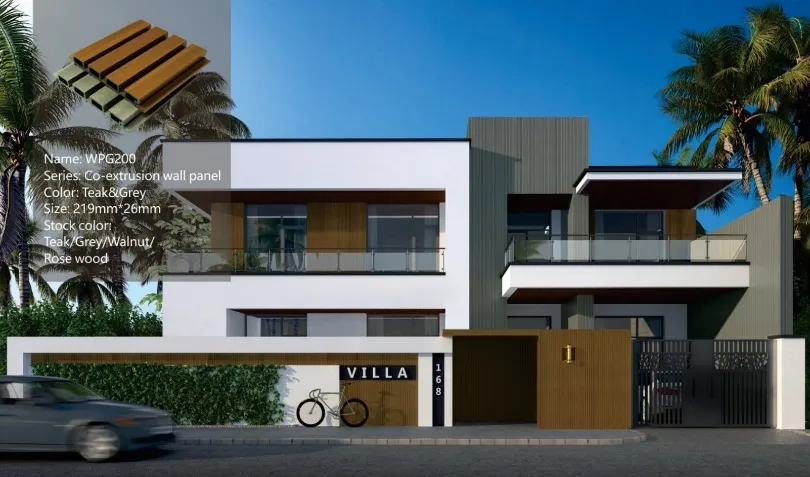
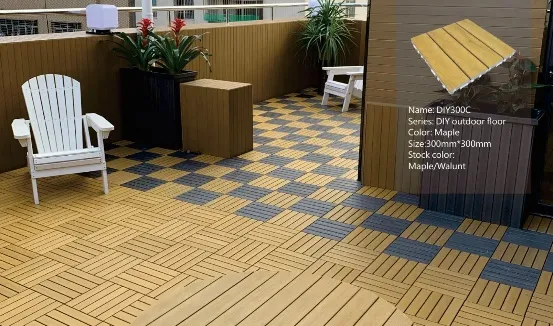
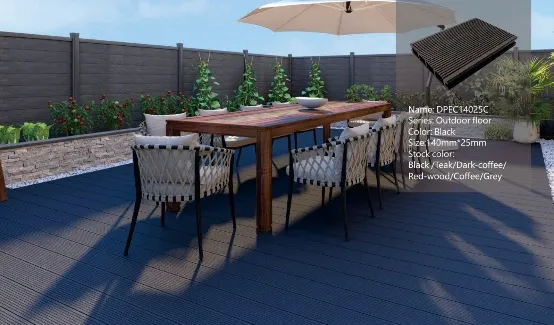
Exterior applications may also expand. While WPC is currently more common indoors, advances in weather resistance could make it a viable alternative to traditional siding or decking materials. Imagine a home with matching WPC walls inside and out, creating a seamless flow between indoor and outdoor spaces.
In a world where design trends come and go, WPC wall panels have proven they're more than a passing fad. They've earned their place as a staple in interior decoration materials by addressing the core needs of modern life: beauty, durability, sustainability, and convenience. Whether you're a homeowner renovating your living room, a designer crafting a boutique hotel, or a builder sourcing materials for a residential complex, WPC offers a solution that's as practical as it is beautiful.
And at the heart of it all are the wpc wall panel supplier professionals who are constantly innovating, listening to customers, and pushing the boundaries of what's possible. So, the next time you're dreaming up your ideal space, consider WPC—your walls (and your future self) will thank you.
Recommend Products











