

If you've ever tackled a home renovation or managed a construction project, you know that wall materials can eat up a huge chunk of your budget. Solid wood panels, brick, or concrete blocks—each comes with its own set of costs, and they add up fast. From the initial purchase price to installation labor, maintenance, and even replacement down the line, traditional materials often hide expenses that catch project managers and homeowners off guard. But what if there was a material that cuts through these costs without sacrificing quality or style? Enter WPC wall panels. As a key player in interior decoration materials, WPC (Wood Plastic Composite) wall panels are changing the game, and today, we're diving into why they're becoming the go-to choice for cost-conscious builders, contractors, and homeowners alike. We'll also share insights from leading wpc wall panel suppliers on how to maximize savings through smart material selection and partnership.
First things first: let's break down what WPC wall panels actually are. Made by blending wood fibers or sawdust with recycled plastic (think polyethylene or polypropylene) and a mix of additives, these panels combine the best of both worlds— the natural look and feel of wood with the durability and low maintenance of plastic. The result? A lightweight, versatile material that's resistant to moisture, pests, rot, and warping. Unlike solid wood, which shrinks or swells with humidity, or brick, which requires heavy mortar and labor, WPC panels are designed for practicality. They come in a range of styles, textures, and colors, mimicking everything from rustic oak to sleek modern stone, making them a favorite for both residential and commercial interior decoration materials.
But WPC isn't just about looks. What really sets it apart is its cost-saving potential. Let's dig into the numbers and see how WPC wall panels stack up against traditional options.
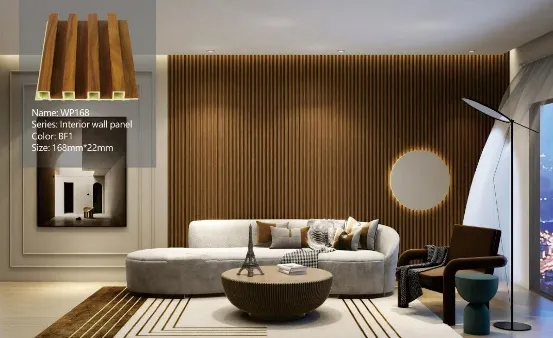
Let's start with the most obvious expense: the material itself. Traditional wood panels, for example, can cost anywhere from $15 to $30 per square foot, depending on the type of wood and finish. Solid hardwoods like teak or walnut? Even higher. Brick, while cheaper per unit, requires additional materials like mortar and sealant, pushing the total cost up to $10–$20 per square foot when all is said and done. Concrete blocks, though durable, are heavy and often need a finishing layer (like drywall or paint), adding another $5–$10 per square foot to the bill.
WPC wall panels, on the other hand, typically range from $8 to $15 per square foot. That's a 20–50% savings upfront compared to solid wood, and often less than brick or concrete when factoring in additional materials. But here's the kicker: WPC panels are sold as ready-to-install boards, meaning you don't need to buy extra products like mortar, sealant, or primers. A reputable wpc wall panel supplier will even offer bulk pricing for large projects, driving costs down further. For a 500-square-foot wall, that could mean saving $2,500 or more on materials alone compared to solid wood.
Installation labor is another budget buster with traditional materials. Brick walls require skilled masons who charge by the hour, and a small 10x10-foot wall could take a full day (or more) to build. Solid wood panels often need professional cutting, sanding, and sealing, adding hours of labor. Concrete blocks? Heavy, cumbersome, and requiring precise alignment—again, not a quick job.
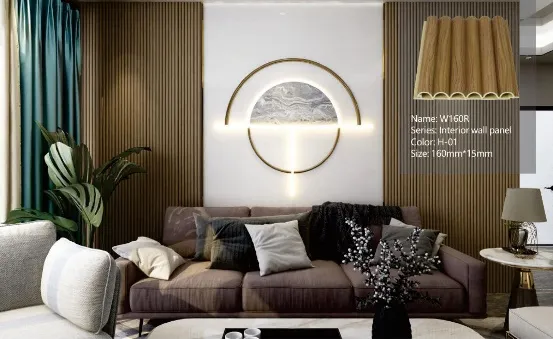
WPC wall panels, though, are lightweight and designed for easy installation. Most panels feature a tongue-and-groove system or interlocking edges, meaning they snap together like puzzle pieces. Even semi-skilled laborers can install them, and a 500-square-foot wall might take just 1–2 days instead of a week. For contractors, that translates to lower labor costs and faster project turnaround, which means taking on more jobs. For homeowners, it could mean DIY installation (if you're handy), eliminating labor fees entirely. One wpc wall panel supplier we spoke to noted that their clients report installation costs as low as $2–$5 per square foot for WPC, compared to $8–$15 per square foot for brick or wood.
Traditional materials don't just cost money upfront—they keep costing you over the years. Solid wood panels need annual painting or staining to prevent rot and fading, which can run $200–$500 per wall every 2–3 years. Brick walls might develop cracks that need repointing, a job that costs $5–$15 per square foot. Even concrete can stain or chip, requiring patching and repainting. Termites, mold, and moisture damage? Those are expensive curveballs that no one wants to deal with.
WPC wall panels? They're practically maintenance-free. Their plastic component resists moisture, so mold and mildew aren't a concern—perfect for bathrooms, kitchens, or basements. They don't attract termites or pests, so you can skip the annual pest control treatments. And because they're pre-finished, there's no need for painting, staining, or sealing. A simple wipe with a damp cloth is all it takes to keep them looking new. Over 10 years, the maintenance savings alone could add up to thousands of dollars. One homeowner we interviewed estimated they saved $1,200 in upkeep costs over five years by choosing WPC over solid wood for their home office.
Nothing kills a budget faster than having to replace materials prematurely. Solid wood panels might warp or rot in humid climates, lasting just 5–10 years before needing replacement. Brick can crack in freeze-thaw cycles, and concrete might develop spalling (flaking) over time. Each replacement means new materials, labor, and project downtime.
WPC wall panels, though, are built to last. Most come with a 10–20 year warranty, and many suppliers report panels lasting 25+ years with proper care. They're resistant to warping, cracking, and fading, even in extreme temperatures. One commercial builder shared that they installed WPC panels in a coastal restaurant eight years ago, and the walls still look brand-new, despite exposure to salt air and high humidity. Compare that to the wood panels they replaced, which needed to be redone every three years. The durability of WPC means fewer replacements, less disruption, and long-term savings that traditional materials simply can't match.
| Material | Initial Material Cost (per sq. ft.) | Installation Cost (per sq. ft.) | Annual Maintenance Cost (avg.) | Expected Lifespan | Total Cost Over 10 Years (per sq. ft.) |
|---|---|---|---|---|---|
| WPC Wall Panels | $8–$15 | $2–$5 | $0–$5 | 20–25+ years | $10–$25 |
| Solid Wood Panels | $15–$30 | $8–$15 | $10–$20 | 5–10 years | $43–$75 |
| Brick | $10–$20 | $8–$15 | $5–$10 | 15–20 years | $33–$55 |
| Concrete Blocks | $5–$10 | $10–$20 | $8–$15 | 20–30 years | $43–$65 |
The numbers speak for themselves: WPC wall panels offer the lowest total cost over 10 years by a significant margin. Even with a higher initial material cost than concrete blocks, their low installation and maintenance expenses make them the most budget-friendly choice in the long run.
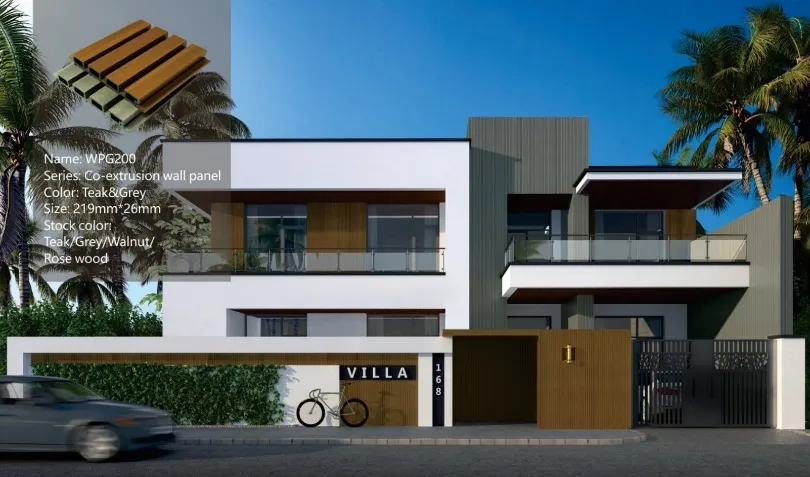
Cost savings aren't just about dollars and cents—they're also about value. WPC wall panels bring extra perks that traditional materials can't match, and these perks translate to indirect savings.
WPC panels have natural insulating properties thanks to their composite structure, which helps regulate indoor temperatures. In winter, they keep heat in; in summer, they keep heat out. This reduces reliance on heating and cooling systems, cutting utility bills by 10–15% for some homeowners. Over 10 years, that could add up to $1,000–$2,000 in savings for a typical home. Commercial buildings, with larger wall areas, see even bigger gains—one restaurant owner reported saving $300 per month on AC costs after installing WPC panels in their dining area.
Traditional materials often require custom cutting to fit unique spaces, leading to waste (and wasted money). A brick wall with a window cutout might leave half-bricks that can't be reused. Solid wood panels might need to be trimmed to size, creating scrap that ends up in the landfill. WPC panels, though, are easy to cut, drill, and shape, minimizing waste. Plus, wpc wall panel suppliers offer a wide range of pre-made sizes, colors, and textures, so you can find a match for your design vision without paying for custom fabrication. One supplier noted that their clients report material waste as low as 2–3% with WPC, compared to 10–15% with brick or wood.
Sustainability isn't just a trend—it's a cost-saver, too. WPC panels are often made with recycled plastic and wood waste, reducing the need for virgin materials. For commercial projects, this can qualify for green building certifications (like LEED), which often come with tax incentives or rebates. Homeowners might see higher resale value for eco-friendly upgrades. Plus, choosing sustainable materials aligns with consumer and client values, boosting brand reputation for businesses. As one wpc wall panel supplier put it: "Sustainability isn't just good for the planet—it's good for your bottom line."
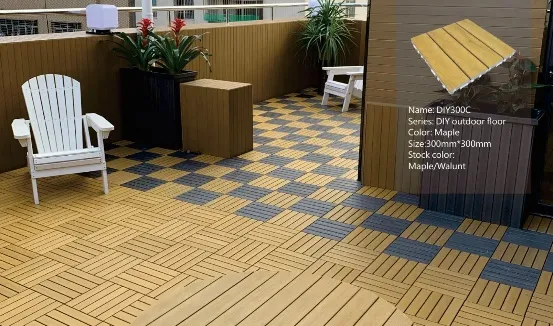
Not all WPC wall panels are created equal, and the wrong supplier can turn potential savings into headaches. To maximize cost benefits, it's critical to partner with a supplier that offers more than just materials—they should provide comprehensive wpc wall panel solutions tailored to your project's needs. Here's what to look for:
Low-quality WPC panels might have a lower upfront price, but they'll warp, fade, or crack quickly, leading to replacement costs. Look for suppliers who use high-quality recycled materials and rigorous testing (like UV resistance, moisture testing, and impact resistance). Ask for warranties—10+ years is a good sign. A reputable supplier will also provide samples, so you can test durability and appearance before committing.
The best wpc wall panel suppliers offer end-to-end support. That means not just selling panels, but also providing installation guides, tools, and even on-site training for your team. Some suppliers partner with flooring suppliers to bundle WPC wall panels with complementary flooring solutions, offering discounts for combined orders. For example, if you're renovating a kitchen, you could get WPC walls and WPC flooring from the same supplier, streamlining logistics and saving on shipping costs. Look for suppliers who understand your project type—residential vs. commercial—and can recommend the right panel thickness, texture, and color for your needs.
Climate and building codes vary by region, and a supplier familiar with local conditions can save you from costly mistakes. For example, in humid areas, a supplier might recommend moisture-resistant WPC formulations. In regions with strict fire codes, they might offer fire-rated panels. Local suppliers also mean faster shipping and easier communication, reducing delays and ensuring you get support when you need it. One Middle Eastern wpc wall panel supplier we interviewed emphasized the importance of regional expertise: "Saudi Arabia's climate is harsh—hot, dry, and dusty. Our panels are designed to withstand that, so our clients don't have to worry about premature damage."
Still on the fence? Let's look at real examples of projects that saved big with WPC wall panels.
Residential Renovation: A family in Texas renovated their 1,200-square-foot home office, replacing old wood paneling with WPC panels. They chose to DIY install, saving $3,000 on labor. Over five years, they've spent $0 on maintenance (no painting or sealing), compared to the $800 they used to spend every two years on the wood panels. Total savings so far? $5,800—and the panels still look brand-new.
Commercial Office Build: A contractor in Florida built a 10,000-square-foot office space using WPC wall panels. They saved $15,000 on material costs compared to brick, and finished the wall installation in 10 days instead of 30, allowing them to hand over the space early and avoid penalties. The client later reported $200 monthly savings on AC bills thanks to the panels' insulation properties.
At the end of the day, choosing wall materials is about more than picking something that looks good—it's about investing in long-term value. Traditional materials might seem cheaper upfront, but their hidden costs—labor, maintenance, replacement—add up fast. WPC wall panels, with their low initial cost, easy installation, minimal maintenance, and durability, offer a smarter, more affordable alternative. And when you partner with a reputable wpc wall panel supplier that provides comprehensive wpc wall panel solutions, you're not just buying materials—you're buying peace of mind, efficiency, and a project that stays on budget.
Whether you're a homeowner tackling a renovation, a contractor managing a commercial build, or a designer looking to impress clients, WPC wall panels prove that cost savings and quality don't have to be mutually exclusive. The next time you're budgeting for a project, ask yourself: are you paying for materials, or are you paying for long-term savings? With WPC, the answer is clear.
Recommend Products











