

Walk into any home improvement store, and you'll be met with rows of wall materials promising to transform your space. Paint peels, wallpaper bubbles, and traditional drywall dents—we've all experienced the frustration of choosing a wall solution that doesn't stand the test of time. As homeowners, we don't just want walls that look good on day one; we want walls that keep up with life. The kids drawing on them, the dog scratching them, the steam from the shower, the humidity in the basement—our walls take a beating. So why do so many materials feel like they're designed for a museum, not a home? If you've ever asked that question, you're ready to discover WPC wall panels: a residential building materials supplier favorite that's redefining what homeowners can expect from their walls.
Let's start with the basics. WPC stands for Wood-Plastic Composite, a blend of natural wood fibers and recycled plastic polymers. This combination isn't just clever—it's revolutionary. Unlike solid wood, WPC resists warping and rotting. Unlike pure plastic, it has a warm, organic texture that feels like part of your home, not a factory. And because it's made with recycled materials, it's a choice you can feel good about for the planet, too. But what really sets WPC apart is how it's engineered specifically for residential spaces. Think of it as the Swiss Army knife of wall panels: versatile, reliable, and ready for whatever your home throws at it.
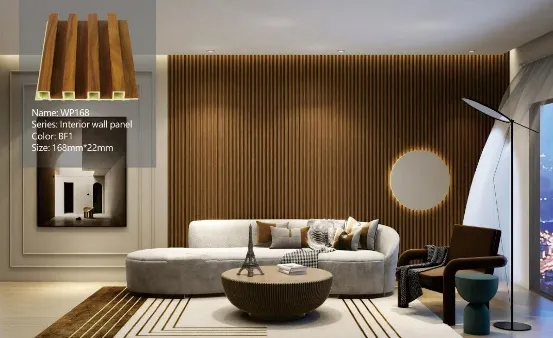
Let's cut to the chase: what makes WPC wall panels a better option than, say, traditional drywall, ceramic tiles, or even other engineered materials? It's all in the details—the little things that turn a "good" home into a "great" one.
Ever had to repaint a wall because the paint chipped after a single furniture move? Or watched in horror as a water leak turned your drywall into a crumbly mess? WPC panels laugh in the face of these problems. The plastic component makes them water-resistant, so humidity in the bathroom or a spilled glass of juice in the kitchen won't leave permanent damage. The wood fibers add strength, so they're scratch-resistant enough to handle rambunctious kids, playful pets, and the occasional door slamming into the wall. Most suppliers back their WPC panels with 10–15 year warranties, but many homeowners report them looking brand-new after 20 years of use. That's not just durability—that's peace of mind.
Who has time to sand, paint, or seal walls every few years? Not today's homeowners. WPC panels are the ultimate "set it and forget it" solution. A quick wipe with a damp cloth is all it takes to remove dust, fingerprints, or even crayon marks (yes, really—those kid-induced works of art don't stand a chance). No special cleaners, no harsh chemicals, no weekend-long maintenance projects. Imagine spending your Saturdays hiking or hosting friends instead of touching up walls. That's the WPC lifestyle.
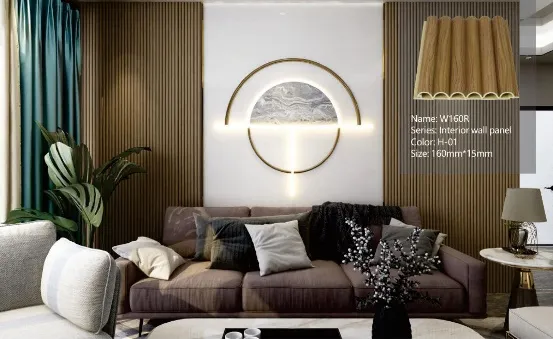
Gone are the days when "durable" meant "ugly." Today's WPC wall panel solutions come in a mind-boggling array of designs, textures, and colors. Want a rustic cabin vibe? Opt for panels with a rich oak or pine grain. Dreaming of a sleek, modern living room? Choose a smooth, matte finish in charcoal or ivory. Love the look of stone but hate the weight? There are WPC panels that mimic marble, slate, even brick—without the heft or cost. And because they're lightweight and easy to cut, you can get creative: accent walls, wainscoting, even custom patterns. Your home's style shouldn't be limited by your wall material—and with WPC, it never will be.
Sustainability isn't just a trend; it's a responsibility. WPC wall panels check this box, too. By using recycled plastic and wood fibers, they reduce the demand for virgin materials and keep waste out of landfills. Plus, they're free from harmful chemicals like formaldehyde, which means better indoor air quality for your family. Compare that to some traditional panels that off-gas toxins or require deforestation, and the choice becomes clear: WPC lets you build a beautiful home without sacrificing your values.
Not all WPC wall panel suppliers are created equal. Just like you'd research a contractor before hiring them, you'll want to vet your supplier to ensure you're getting a product that lives up to its promises. Here's what to keep in mind:
A reputable wpc wall panel supplier will be proud to share their quality certifications. Look for standards like ISO 9001 (quality management) and ISO 14001 (environmental management). For residential use, certifications related to low VOC emissions (like GREENGUARD) are a must—they ensure the panels won't release harmful gases into your home. If a supplier hesitates to provide these, it's a red flag. Your walls are too important to gamble on untested products.
Your home is a reflection of your personality, so why settle for cookie-cutter panels? The best suppliers offer customization options: different thicknesses (from 8mm to 20mm, depending on your needs), custom colors to match your decor, even embossed patterns for added texture. Whether you need panels for a curved wall in the entryway or a moisture-resistant option for the bathroom, a good supplier will work with you to create a solution that fits your space—not the other way around.
Buying wall panels shouldn't end at checkout. A reliable supplier will guide you through every step: helping you calculate how many panels you need, answering questions about installation (pro tip: WPC panels are lightweight enough for DIY installation, but some suppliers offer professional installers, too), and standing by their product if issues arise. Read reviews from other homeowners—did the supplier respond quickly to concerns? Did they honor their warranty? Great customer support turns a transaction into a partnership.
Pro Tip: Ask for samples! A good supplier will send you small panels so you can test them out: scratch them with a key, spill water on them, hold them up to your existing decor. It's the best way to ensure you love the look and feel before committing.
WPC wall panels aren't just for one room—they're versatile enough to elevate every corner of your home. Let's break down how they work in different spaces:
Your living room is where you gather with family, host movie nights, and make memories. WPC panels here can create a stunning accent wall behind the TV, adding depth without overwhelming the space. Choose a warm wood grain to make the room feel cozy, or a sleek stone texture for a modern twist. And because they're scratch-resistant, you won't panic when the kids jump on the couch and knock a pillow into the wall.
Bathrooms are a nightmare for most wall materials. Steam, splashes, and constant moisture lead to mold, mildew, and warping. But WPC panels thrive here. Their water-resistant core means you can install them around the shower or tub without a second thought. Plus, they're easy to clean—no more scrubbing grout lines or dealing with peeling paint. Imagine a bathroom that stays fresh and beautiful, even after years of hot showers.
Kitchens are busy places. Grease splatters from the stove, heat from the oven, and spills from the sink—your walls take a daily beating. WPC panels are heat-resistant and easy to wipe clean, making them perfect for backsplashes or full wall coverage. Pair them with porcelain slab tile for wall solutions on the countertops, and you've got a kitchen that's as durable as it is stunning.
If you have kids, you know their rooms are ground zero for creativity (and messes). Crayons, markers, sticky fingers, and toy trucks—traditional walls don't stand a chance. WPC panels? They laugh it off. A quick wipe with a magic eraser removes even the most stubborn crayon art, and their scratch resistance means those toy truck collisions won't leave a mark. Plus, with fun colors and patterns, you can create a space your kids will love growing up in.
Still on the fence? Let's compare WPC wall panels to other popular residential options. This isn't about bashing other materials—just about helping you see why WPC might be the best fit for your home.
| Material | Durability | Maintenance | Aesthetics | Eco-Friendliness | Best For |
|---|---|---|---|---|---|
| WPC Wall Panels | High (resists water, scratches, warping; 15–20 year lifespan) | Low (wipe clean with damp cloth; no painting/sealing) | Versatile (wood, stone, solid colors; warm texture) | High (recycled materials; low VOC) | Any room (living, bathroom, kitchen, kids' room) |
| MCM Flexible Cladding | Medium-High (weather-resistant, but less impact-resistant) | Medium (requires occasional sealing) | Modern (sleek, industrial look) | Medium (some recycled content) | Exteriors, accent walls |
| Bamboo Charcoal Board | Medium (absorbs moisture, but prone to scratches) | Medium (avoid harsh cleaners; may fade in sunlight) | Natural (earthy tones, subtle grain) | High (sustainable bamboo) | Bedrooms, low-traffic areas |
| Traditional Drywall | Low (prone to dents, water damage, mold) | High (needs painting every 3–5 years; repairs for holes) | Basic (blank canvas, but lacks texture) | Medium (gypsum core, but paper backing not recycled) | Temporary spaces, budget builds |
| PVC Panels | Medium (water-resistant, but can crack in cold; 5–10 year lifespan) | Low (wipe clean), but prone to yellowing | Plastic-like (less natural texture) | Low (virgin plastic; not biodegradable) | Basements, utility rooms |
We get it—choosing wall materials is a big decision, and you probably have questions. Let's tackle the ones we hear most often.
Yes! Most WPC panels are designed with a tongue-and-groove system, which means they snap together like puzzle pieces. If you're handy with a saw and a level, you can install them yourself over a weekend. If DIY isn't your thing, most suppliers work with local installers who can get the job done quickly (usually in a day or two for a standard room). Either way, installation is much faster than traditional drywall or tile.
WPC panels are an investment, but they pay off in the long run. Upfront, they're slightly more expensive than drywall or basic PVC panels, but comparable to high-quality tile or solid wood. However, when you factor in maintenance costs (no repainting, no repairs) and longevity (20+ years vs. 5–10 for other materials), they're actually more affordable over time. Think of it as buying a quality sofa—you pay more upfront, but it lasts twice as long.
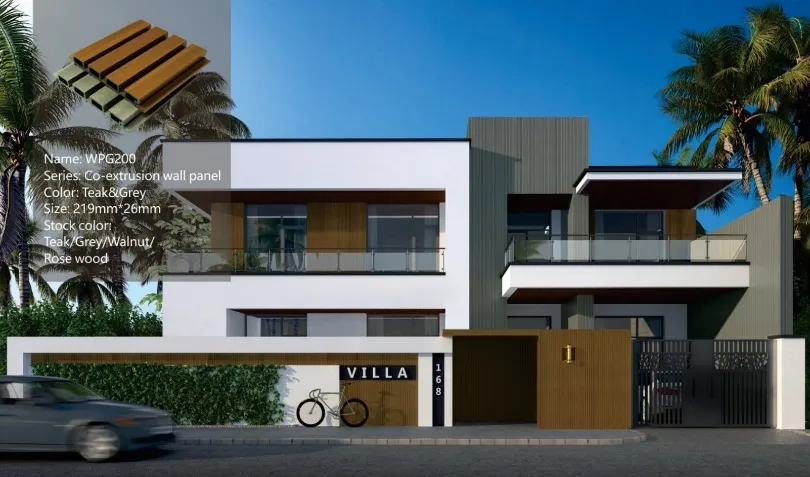
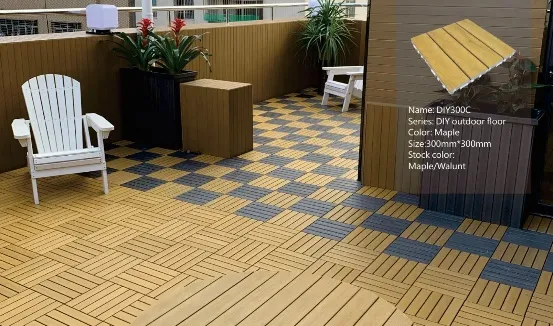
While WPC is water-resistant, most residential WPC wall panels are designed for indoor use. If you want WPC outdoors (like a covered patio), look for a supplier that offers exterior-grade WPC, which has added UV protection to prevent fading. Always check with your supplier to ensure the panels are rated for your specific use case.
Not at all! The wood fibers in WPC give it a warm, natural feel that's similar to real wood. Unlike pure plastic panels, which can feel cold and artificial, WPC has a subtle texture and temperature that makes it feel like part of your home. Run your hand over a sample, and you'll be surprised at how "un-plastic" it feels.
Your home is more than just walls and a roof—it's where you laugh, cry, grow, and make memories. The materials you choose should support that life, not get in the way of it. WPC wall panels do exactly that: they're durable enough to keep up with your family, beautiful enough to reflect your style, and eco-friendly enough to feel good about. As a residential building materials supplier focused on homeowners, we've seen firsthand how WPC transforms houses into homes—spaces that are as resilient as they are welcoming.
So if you're tired of walls that let you down, if you want a solution that's as practical as it is pretty, and if you're ready to invest in a home that grows with you, it might be time to explore WPC wall panel solutions. Talk to a reputable supplier, ask for samples, and imagine a home where your walls work for you—not against you. After all, you deserve a home that's as strong, beautiful, and unique as you are.
Recommend Products











