

Picture this: You've just finished designing your dream backyard patio. The furniture is set, the plants are thriving, and the only thing left is the wall that wraps around the space. You choose natural wood—classic, warm, and timeless. Six months later, the rainy season hits. The wood swells, paint peels, and by winter, there's a faint mold smell creeping in. Sound familiar? For too long, outdoor wall design has been a trade-off between beauty and resilience. But what if there was a material that didn't force you to choose? As a leading building material supplier specializing in exterior decoration materials, we've spent years helping clients solve this exact problem. Today, we're diving into why WPC wall panels have become the go-to choice for anyone who wants outdoor walls that look stunning and stand strong against whatever the weather throws their way.
Outdoor walls are the unsung heroes of any space. They define boundaries, protect interiors from the elements, and set the tone for your home or business's exterior aesthetic. But unlike indoor walls, they're constantly exposed to a relentless onslaught of environmental stressors. Let's break down the biggest challenges:
It's no wonder so many people feel stuck. Natural stone is durable but heavy and expensive. Vinyl is low-maintenance but lacks character. Wood is charming but high-maintenance. As a one-stop architectural solution provider, we've heard these frustrations time and again. And that's exactly why we started focusing on WPC wall panel solutions—they're designed to fix every one of these pain points.
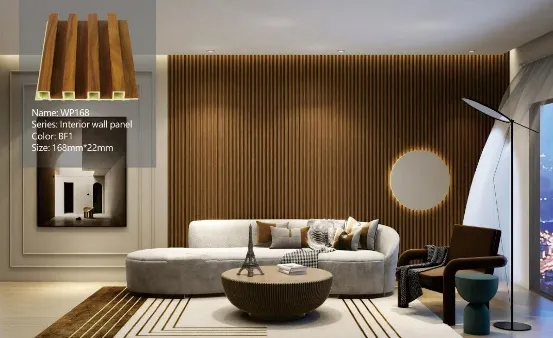
First things first: WPC stands for Wood Plastic Composite. Think of it as the best of both worlds—combining the natural look and feel of wood with the durability and low maintenance of plastic. But it's not just a simple mix. High-quality WPC wall panels are engineered using a precise blend of recycled wood fibers (like sawdust or wood chips) and thermoplastics (such as polyethylene or polypropylene), along with additives that boost strength, UV resistance, and moisture protection.
The manufacturing process is where the magic happens. The wood and plastic blend is heated, mixed, and extruded into panels of various sizes, textures, and colors. Some panels even mimic the grain of real wood, the texture of stone, or the sleekness of modern concrete. The result? A material that looks and feels organic but behaves like a superhero when it comes to weather resistance.
But not all WPC panels are created equal. As a WPC wall panel supplier, we've seen the difference between generic, low-quality options and premium, purpose-built outdoor panels. The key lies in the additives and the ratio of wood to plastic. Outdoor-specific WPC panels have higher plastic content for moisture resistance, added UV stabilizers to prevent fading, and impact modifiers to handle temperature fluctuations. It's these small details that make all the difference when your wall is facing its third monsoon season.
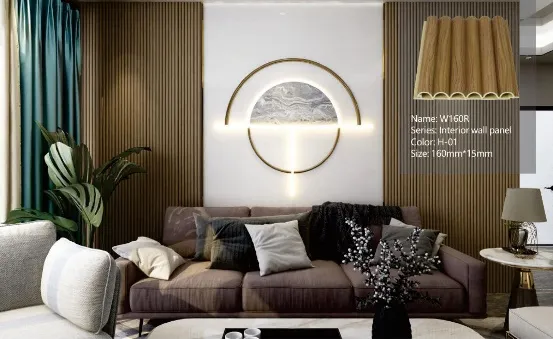
Let's get to the good stuff: What makes WPC wall panels so special? We could talk all day, but let's focus on the features that matter most for outdoor spaces.
This is where WPC panels truly shine. Unlike wood, they don't absorb moisture—so no warping, rotting, or mold. Unlike pure plastic, they're infused with UV stabilizers that keep colors from fading, even in direct sunlight. We've tested our panels in some of the harshest climates—from the humid summers of coastal Saudi Arabia to the freezing winters of northern Europe—and the results speak for themselves. After five years of exposure, the panels showed minimal color change and zero structural damage. For homeowners in rainy regions or business owners with outdoor seating areas, this means one less thing to worry about during storm season.
How long do WPC wall panels last? On average, 25–30 years with minimal maintenance. Compare that to natural wood, which might need replacement every 5–10 years, or vinyl, which can crack after 15–20 years. It's not just about lifespan, either. WPC panels are resistant to scratches, dents, and impact—perfect for high-traffic areas like commercial patios or family backyards where kids (or pets!) might accidentally bump into walls. They're also pest-proof. Termites and ants have no interest in the plastic-wood blend, so you can say goodbye to costly exterminator bills.
Remember that wood panel nightmare we mentioned earlier? With WPC, maintenance is a breeze. No sanding, no repainting, no sealing. A quick rinse with a hose (or a gentle scrub with soap and water for stubborn dirt) is all it takes to keep them looking fresh. For busy professionals, rental property owners, or anyone who'd rather spend weekends relaxing than maintaining walls, this is a game-changer. We once worked with a restaurant owner who switched to WPC panels for their outdoor dining area. They told us they used to spend $500 every quarter on repainting and sealing their old wooden walls. Now, they spend $20 a year on soap and water. That's a 96% savings—and that's not even counting the time they get back.
In a world where sustainability matters more than ever, WPC panels are a win for the planet. Most high-quality panels are made from recycled materials—up to 70% of the wood fiber comes from sawmill waste, and the plastic is often recycled from post-consumer products like water bottles. This reduces the demand for virgin wood (which helps prevent deforestation) and keeps plastic out of landfills. Plus, since WPC panels last decades, they reduce the need for frequent replacements—meaning less waste over time. As a company that prides itself on responsible sourcing, we're proud to offer WPC wall panel solutions that let our clients create beautiful spaces without compromising their values.
Let's be honest: durability means nothing if the panels look cheap or generic. That's why we're obsessed with design. Today's WPC panels come in a stunning range of colors, textures, and finishes. Want the warm, rustic look of oak? We've got a panel for that. Prefer the sleek, modern vibe of concrete? We can do that too. Some panels even mimic natural stone or brick, giving you the high-end look without the high-end price tag.
But it's not just about looks—WPC panels are also incredibly versatile in installation. They can be cut to size, drilled, and fastened just like wood, making them easy for contractors to work with. Whether you're covering a small garden wall or cladding an entire commercial building, there's a WPC solution that fits. We recently helped a homeowner in Riyadh transform their plain concrete patio wall into a Mediterranean-inspired feature using our wood-grain WPC panels. They told us their neighbors now stop by just to ask where they got the "stone" panels—little did they know, it was all WPC.
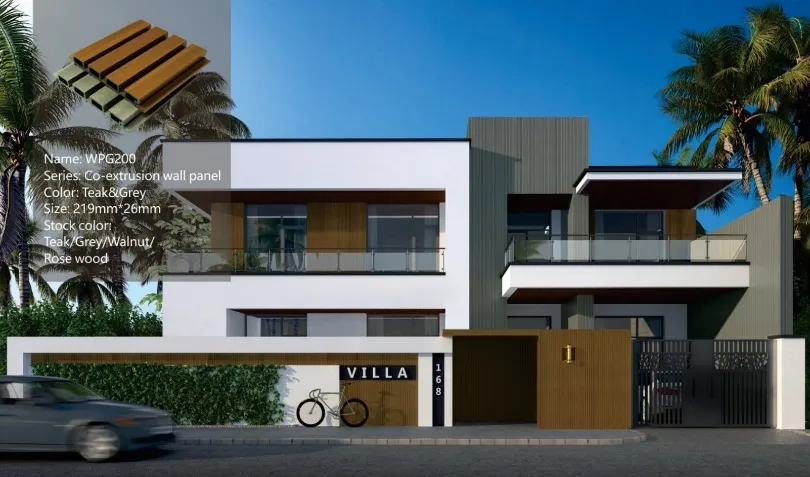
Still on the fence? Let's break down how WPC stacks up against the most common outdoor wall materials. We've put together a comparison table to help you see the difference in key areas like durability, maintenance, and cost.
| Material | Weather Resistance | Annual Maintenance Cost* | Expected Lifespan | Eco-Friendliness | Design Options |
|---|---|---|---|---|---|
| WPC Wall Panels | Excellent (resists moisture, UV, temperature swings) | $20–$50 (hosing/gentle cleaning) | 25–30 years | High (recycled materials, low waste) | Extensive (wood grain, stone, concrete, custom colors) |
| Natural Wood | Poor (rots, warps, fades; needs sealing) | $300–$800 (sanding, sealing, repainting) | 5–10 years (untreated); 10–15 years (treated) | Medium (depends on sourcing; requires ongoing harvesting) | Good (limited by wood type/availability) |
| Vinyl Siding | Fair (resists moisture but fades/cracks in extreme heat/cold) | $50–$100 (occasional cleaning; repairs for cracks) | 15–20 years | Low (non-recyclable; made from virgin plastic) | Limited (solid colors, few textures) |
| Natural Stone | Excellent (durable but heavy; mortar cracks over time) | $150–$300 (repointing mortar, sealing) | 50+ years (but mortar needs replacement every 10–15 years) | Medium (quarrying impacts ecosystems; long lifespan offsets waste) | Good (limited by stone type; heavy, hard to customize) |
| Fiber Cement | Good (resists moisture/rot but can chip; fades without paint) | $200–$400 (repainting every 5–7 years) | 20–25 years | Medium (contains cement; some recycled content) | Moderate (painted finishes, limited textures) |
*Estimates based on a 100 sq. ft. wall in a moderate climate. Costs may vary by region and material quality.
As you can see, WPC panels outperform traditional materials in almost every category—especially when you factor in long-term costs and hassle. While the initial investment might be slightly higher than wood or vinyl, the savings in maintenance and replacement over time make it a no-brainer for most homeowners and businesses.
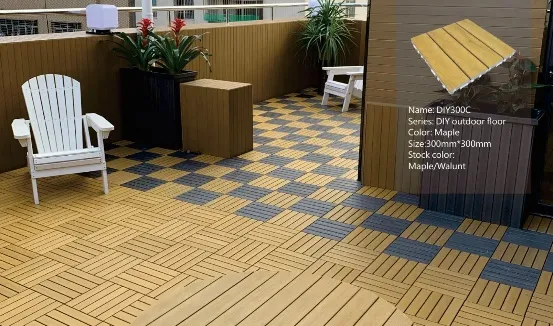
One of the things we love most about WPC wall panels is their versatility. They work in just about every outdoor setting, from cozy home patios to bustling commercial plazas. Let's take a look at how different industries are using them.
For homeowners, outdoor walls are all about creating a space that feels like an extension of the home. WPC panels are perfect for this. Imagine a backyard fence that looks like rich cedar but never needs staining, or a patio wall with a stone-like texture that complements your garden. We've helped clients use WPC panels to build privacy walls around hot tubs, accent walls for outdoor kitchens, and even decorative screens to hide unsightly utility areas. One family in Jeddah used our panels to clad their poolside wall. They wanted something that could handle splashing water and intense sun without fading. Three years later, the panels still look brand new—and the family says they spend more time outdoors now because they're not stressed about maintenance.
For businesses, outdoor walls are a first impression. A restaurant with a shabby exterior won't attract diners, and a hotel with peeling facade panels sends the wrong message about quality. WPC panels help businesses make that great first impression while keeping long-term costs low. We've worked with hotels to clad outdoor lobbies, cafes to line their patio walls, and retail stores to create eye-catching exterior displays. One hotel in Riyadh recently renovated their outdoor event space using our WPC panels. They host weddings and corporate events there year-round, and the panels have held up through rain, wind, and even the occasional stray champagne glass—no scratches, no stains, no fading. The hotel manager told us, "We used to repaint that wall twice a year. Now, we just hose it down after events and it's good as new."
Schools, parks, and community centers have unique needs: their outdoor walls must be safe, durable, and easy to clean. WPC panels check all these boxes. They're non-toxic (no harmful chemicals leaching into soil), slip-resistant when wet, and resistant to graffiti (most marks can be wiped off with a mild cleaner). We recently supplied panels for a local school's playground wall. The old wall was made of cinder block, which was cold and uninviting. The new WPC panels, painted in bright, cheerful colors, transformed the space—kids love the texture, and teachers love that they don't have to worry about mold or chips. Plus, the panels are fire-resistant, adding an extra layer of safety for the school.
Not all WPC panels are created equal, and neither are all suppliers. As a one-stop architectural solution provider, we know that the right supplier can make or break your project. Here are the key things to look for when choosing a WPC wall panel supplier:
At the end of the day, you want a supplier who sees your project as a partnership—not just a sale. We've built our business on this (philosophy). When you work with us, you're not just getting panels—you're getting a team that helps you choose the right product, answers your questions, and stands behind the materials for decades to come. It's why so many of our clients come back to us for their next project.
"We were hesitant to switch from natural stone for our hotel's exterior walls—we thought nothing could match that luxury look. Then we saw the WPC panels from this supplier. They mimicked the stone texture perfectly, and the installation was so much faster and cheaper. Two years later, the walls still look flawless, even after our monsoon season. We're already planning to use them for our next hotel renovation." — Ahmed, Hotel Manager in Riyadh
As climate change brings more extreme weather—longer heatwaves, heavier rains, stronger storms—outdoor materials need to evolve. WPC wall panels aren't just a trend; they're a solution for the future. They're sustainable, durable, and designed to adapt to changing conditions. And as technology improves, we're seeing even more innovations: panels with built-in insulation for energy efficiency, fire-resistant options for high-risk areas, and even panels that mimic rare natural stones (like Switzerland stone or cloud stone) without the environmental impact of quarrying.
But perhaps the biggest reason WPC is here to stay is simple: it makes outdoor spaces better. When you don't have to worry about maintenance or replacement, you can focus on what matters—enjoying your patio, impressing customers, or creating a safe, beautiful space for your community. That's the power of a material that works with you, not against you.
Outdoor walls shouldn't be a source of stress. They should be a source of pride—a reflection of your style, a protector of your space, and a feature that lasts for decades. As a dedicated WPC wall panel supplier, we've seen firsthand how these panels transform outdoor areas from maintenance headaches into showcases of durability and design. Whether you're a homeowner dreaming of a backyard oasis or a business owner looking to boost curb appeal, WPC wall panel solutions offer the perfect blend of beauty and resilience.
So why wait? The next time you look at your outdoor walls, think about what they could be—not just a barrier, but a statement. With WPC panels, that statement can be both stunning and strong. After all, your outdoor space deserves materials that work as hard as you do.
Recommend Products











