

If you've ever managed a construction or renovation project on a tight budget, you know the struggle: balancing cost and quality feels like walking a tightrope. You need materials that won't fall apart after a year, but you also can't blow your budget on overpriced options. This is where choosing the right building materials becomes make or break—especially when it comes to wall panels, a key element that impacts both aesthetics and functionality. Enter WPC wall panels: a game-changer for low-budget projects that refuse to compromise on durability, style, or practicality. In this article, we'll dive into why partnering with a reliable WPC wall panel supplier is your secret weapon for affordable, high-quality results, and how these panels stack up against other options in the market.
Let's start with the basics. WPC stands for Wood Plastic Composite, a material made by blending wood fibers (or sawdust) with thermoplastics like polyethylene or polyvinyl chloride (PVC), plus a few additives for strength and flexibility. The result? A panel that looks and feels like wood but comes with the water resistance, durability, and low maintenance of plastic. Think of it as the best of both worlds—without the premium price tag of solid wood or the fragility of pure plastic.
For low-budget projects—whether you're renovating a small office, building a rental home, or sprucing up a retail space—WPC wall panels check a lot of boxes. They're lightweight, easy to install (which cuts down on labor costs), and resistant to scratches, moisture, and even mold. But none of these benefits matter if you don't have a trustworthy WPC wall panel supplier to back you up. Let's unpack why that matters, and how WPC panels can transform your low-budget project from "good enough" to "impressive."
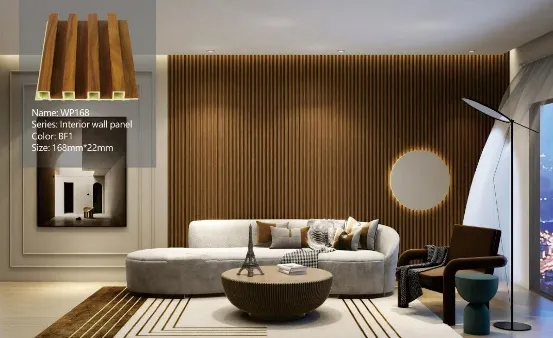
When you're working with a limited budget, every dollar counts. But "cheap" doesn't have to mean "low-quality"—and WPC wall panels prove that. Let's break down the top reasons they're a smart pick for projects where affordability and performance can't be compromised:
Let's talk numbers first. Compared to materials like solid wood, natural stone, or even some high-end PVC panels, WPC wall panels are significantly more affordable. A good WPC wall panel supplier can offer bulk pricing that brings the per-square-foot cost down even further—critical when you're covering large wall areas. But the savings don't stop at the initial purchase. WPC panels are lightweight, which means lower shipping costs. They're also easy to install: no need for specialized tools or skilled labor (though a little DIY know-how helps). For example, a small café renovation in Riyadh we worked with last year saved over 30% on labor alone by choosing WPC panels that clicked into place like puzzle pieces. That's money that can go toward other project needs, like lighting or furniture.
Here's the thing about low-budget projects: you can't afford to replace materials every few years. WPC panels are built to last. They're water-resistant, so they won't warp or rot in humid spaces like bathrooms or kitchens. They're scratch-resistant, making them ideal for high-traffic areas like office lobbies or rental apartments. And unlike painted drywall, they don't need repainting or refinishing—just a quick wipe with a damp cloth to keep them looking new. A property manager in Jeddah once told us they switched to WPC wall panels in their student housing units and reduced maintenance calls by 40% in the first year. That's less time, less money, and less stress—exactly what low-budget projects need.
Who says budget-friendly has to be boring? WPC wall panels come in a range of styles, colors, and textures—from classic wood grains that mimic oak or walnut to modern matte finishes in neutrals like gray or beige. Some suppliers even offer custom printing, so you can add unique patterns or logos for branding (hello, retail stores!). Whether your project is a cozy home office, a sleek restaurant, or a functional school hallway, there's a WPC panel that fits. And since they're easy to cut and shape, you can get creative with accent walls, wainscoting, or even curved designs—without paying for custom fabrication.
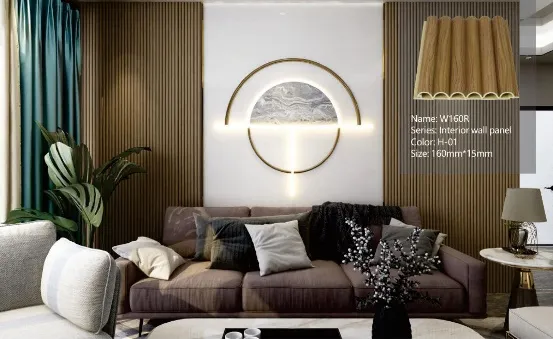
Okay, so WPC panels sound great—but here's the catch: not all suppliers are created equal. A low-quality supplier might cut corners on materials (using too much plastic, not enough wood fiber, or cheap additives), leading to panels that crack, fade, or warp after a few months. That's a disaster for a low-budget project—you'll end up spending more on replacements than you saved initially. So what should you look for in a WPC wall panel supplier?
A reliable supplier will have strict quality control processes. Ask for samples: do the panels feel sturdy? Is the color consistent across the batch? Are there any visible defects like air bubbles or uneven edges? A good supplier won't hesitate to send samples or even invite you to their factory to see production. We once had a client who ordered WPC panels from a no-name supplier online—halfway through installation, they noticed the panels from the same batch had different shades of wood grain. By then, the supplier was unresponsive, and they had to reorder from us at the last minute. Don't let that be you.
Low-budget projects run on tight schedules. A supplier who gives vague delivery dates or hidden fees (like "handling charges" or "minimum order surcharges") can derail your timeline and budget. Look for suppliers who provide detailed quotes upfront, including shipping costs and delivery windows. Bonus points if they offer flexible order sizes—you don't want to be stuck buying 100 panels when you only need 50.
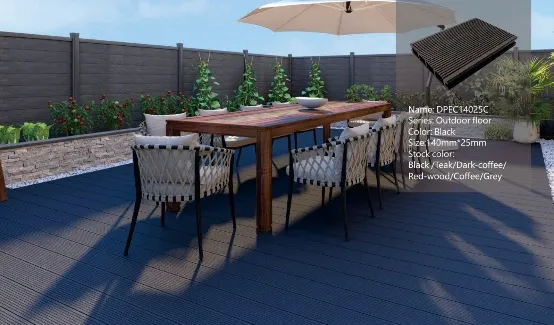
A great WPC wall panel supplier isn't just a seller—they're a partner. They should be able to answer questions like, "Which panel is best for a high-moisture area?" or "Can this panel be used with underfloor heating?" (Spoiler: yes, many WPC panels are compatible with radiant heating systems.) They might even offer installation tips or recommend complementary products, like WPC flooring solutions—since WPC is also a popular choice for flooring, pairing wall and floor panels can create a cohesive look while simplifying your supply chain (one supplier, two materials—score!).
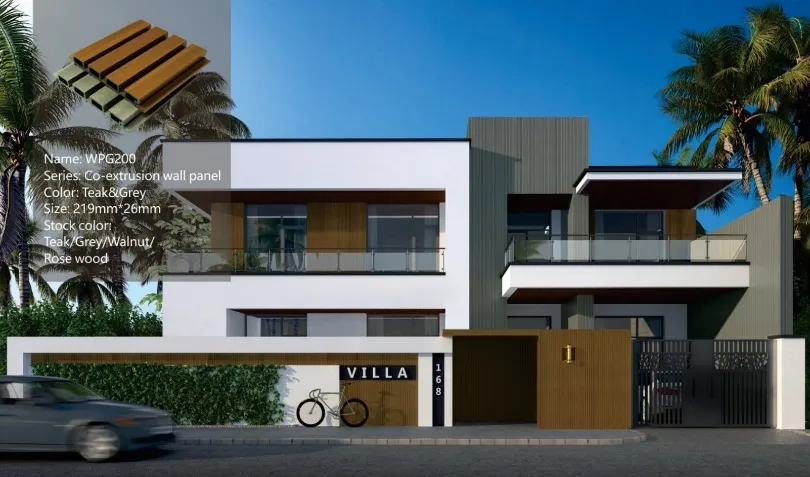
You might be wondering: "Why WPC instead of other affordable wall panel options?" Let's compare WPC to three common alternatives to see why it stands out—especially for low-budget projects.
| Material | Cost (Per Square Foot) | Durability | Installation Ease | Maintenance |
|---|---|---|---|---|
| WPC Wall Panels | $3–$7 | High (resistant to water, scratches, fading) | Easy (click-lock or glue-down; DIY-friendly) | Low (wipe with damp cloth; no refinishing) |
| MCM Flexible Cladding | $8–$15 | High (weather-resistant, good for exteriors) | Moderate (requires professional installation) | Low (but more expensive to replace if damaged) |
| Bamboo Charcoal Board Panels | $5–$9 | Moderate (can warp in high moisture) | Moderate (needs precise cutting) | Medium (may require sealing every 2–3 years) |
| PVC Wall Panels | $2–$5 | Low (prone to cracking, fades in sunlight) | Easy (similar to WPC) | Low (but short lifespan) |
As you can see, WPC hits the sweet spot: more affordable than MCM and bamboo charcoal boards, more durable than PVC, and easy to install. For low-budget projects, that's a winning combo.
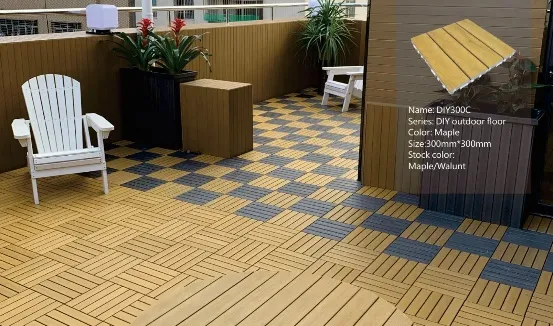
Let's get concrete (pun intended) with some examples. These aren't just "success stories"—they're proof that WPC wall panels can make even the tightest budgets feel like they've got room to breathe.
The Dammam Community Center needed to renovate its 2,000-square-foot activity hall on a budget of SAR 50,000. The original plan was to use painted drywall, but the center's director was worried about scuffs from kids' activities and moisture from the adjacent kitchen. We recommended our WPC wall panel solutions—specifically, a light oak grain panel that matched the existing wooden flooring (which we also supplied as a flooring solution, saving on shipping costs). The total cost for materials and installation? SAR 35,000—leaving SAR 15,000 for new tables and chairs. Two years later, the panels still look brand-new, even with weekly art classes and after-school programs.
A 10-room boutique hotel in Jeddah wanted to update its guest bathrooms without closing for months. The budget was tight, and they needed a material that could handle high humidity. We suggested our water-resistant WPC wall panels in a sleek gray finish. Since the panels are lightweight, the contractor was able to install them in just 3 days per bathroom (down from the 5 days estimated for ceramic tiles). The hotel saved on labor costs and stayed open during renovations—guests even commented on how "modern and clean" the new bathrooms looked. The hotel manager later told us they've received more positive reviews about the bathrooms since the renovation than ever before.
Ready to start shopping for WPC wall panels? Here are a few actionable tips to help you find a supplier that delivers quality, affordability, and peace of mind:
At the end of the day, low-budget projects don't have to sacrifice quality. WPC wall panels offer the perfect balance of affordability, durability, and style—making them a top choice for contractors, project managers, and DIYers alike. But the key to success is partnering with a reliable WPC wall panel supplier who understands your needs and delivers on their promises.
Whether you're renovating a community center, updating a hotel, or building your dream home on a budget, WPC panels prove that "affordable" can also mean "long-lasting" and "beautiful." So why settle for materials that cost you more in the long run? Invest in WPC wall panel solutions today—and watch your project shine without breaking the bank.
Recommend Products











