

How durable, low-maintenance composite panels are transforming factories, warehouses, and workshops into, resilient environments
Walk into any thriving industrial facility—whether it's a bustling factory in Riyadh, a sprawling warehouse in Dammam, or a precision workshop in Jeddah—and you'll quickly realize: the walls do more than just separate spaces. They're the backbone of daily operations. They shield workers from dust and noise, protect equipment from moisture and corrosion, and even influence employee morale with their appearance. But for facility managers and architects, choosing the right wall panels often feels like a balancing act between durability, cost, and practicality.
Traditional materials like wood, metal, or concrete have long been the default, but they come with hidden costs. Wood warps in Saudi Arabia's humid summers and attracts pests. Metal panels rust if not constantly treated, and concrete cracks under heavy impact, leading to endless repairs. These issues don't just drain budgets—they disrupt productivity. A single day of downtime for wall repairs can cost a factory thousands in lost output. So, what if there was a material that could withstand the chaos of industrial life without the hassle?
Enter Wood Plastic Composite (WPC) wall panels. As a leading WPC wall panel supplier with years of experience serving Saudi Arabia's industrial sector, we've watched these innovative composites redefine what industrial spaces can be. They're tough enough to handle forklift bumps, resistant to the region's harsh climate, and designed to keep maintenance crews off ladders. Let's dive into why WPC is becoming the go-to choice for forward-thinking industrial leaders.
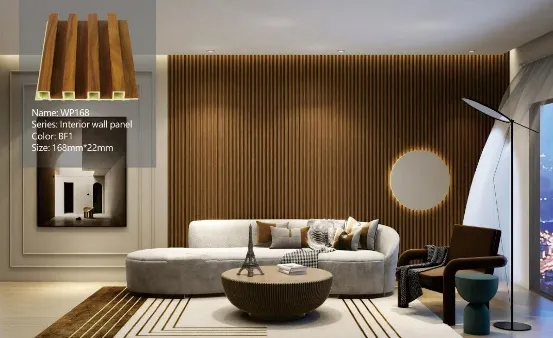
At first glance, WPC might sound like just another industry buzzword. But it's actually a simple, genius solution: a blend of recycled wood fibers (think sawdust, wood chips) and thermoplastics (like polyethylene or polypropylene), fused together under heat and pressure. The result? A material that borrows the best traits of wood and plastic—without the weaknesses of either.
Here's what makes WPC unique:
But WPC isn't just functional. Modern manufacturing techniques let these panels mimic the look of natural wood, stone, or even sleek modern finishes. Suddenly, industrial spaces don't have to feel cold or utilitarian—they can reflect a brand's identity, boost employee pride, and even impress clients during facility tours.
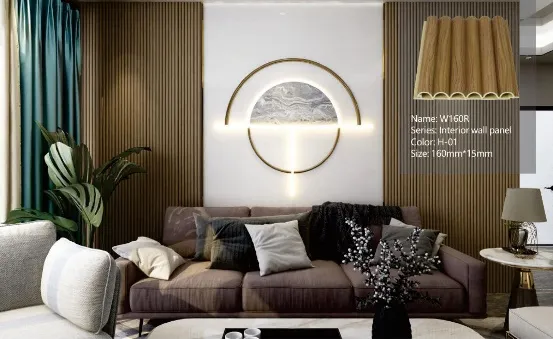
Industrial environments are unforgiving. They demand materials that can handle extreme temperatures, heavy foot traffic, chemical spills, and the occasional forklift mishap. WPC doesn't just meet these demands—it exceeds them. Let's break down the key benefits that make WPC the top choice for industrial wall solutions .
In a factory where machinery runs 24/7, or a warehouse where pallets are moved hourly, walls take a beating. WPC panels are engineered to withstand this chaos. Their composite structure resists dents, scratches, and impacts better than wood or even some metal panels. We've seen WPC walls in automotive workshops stay intact after years of tool carts and equipment bumping against them—something traditional drywall or plywood would never survive.
Moisture is another enemy. In food processing facilities or warehouses storing liquids, humidity can seep into walls, causing mold and weakening structures. WPC is inherently water-resistant, making it ideal for these high-moisture zones. Unlike concrete, which absorbs water and cracks over time, WPC panels repel moisture, ensuring long-term structural integrity.
Facility managers know the pain of endless maintenance. Painting concrete walls every 2-3 years, replacing rotting wood panels, or treating metal for rust—these tasks eat into budgets and require shutting down sections of the facility. WPC eliminates most of this work.
Since WPC doesn't fade, rot, or attract pests, there's no need for regular painting, sealing, or insect treatments. A quick wipe with a mild detergent is enough to remove oil stains, dust, or graffiti. For busy operations, this translates to fewer disruptions and lower long-term costs. One of our clients, a Riyadh-based manufacturing plant, reported cutting maintenance costs by 40% within a year of switching to WPC wall panels.
Industrial projects can't afford long installation timelines. WPC panels are lightweight and designed for modular installation—meaning crews can cover large areas quickly, often in a fraction of the time it takes to install concrete or metal. Many panels come with interlocking systems or tongue-and-groove edges, reducing the need for specialized tools or messy adhesives.
Take, for example, a warehouse expansion project we supported in Jubail. The client needed to partition a 5,000 sq.m space into storage zones. Using our WPC wall panels, the installation team completed the job in just 3 days—half the time estimated for traditional drywall. The result? The warehouse was back to full operation ahead of schedule, with no dust or debris left behind.
Safety is non-negotiable in industrial settings, especially in facilities handling flammable materials or housing large workforces. Many WPC panels are available with fire-retardant additives, meeting local safety standards (including Saudi Civil Defense requirements). While no material is entirely fireproof, WPC's low flammability and slow burn rate provide critical extra time for evacuation in emergencies—something wood panels, which ignite quickly, can't match.
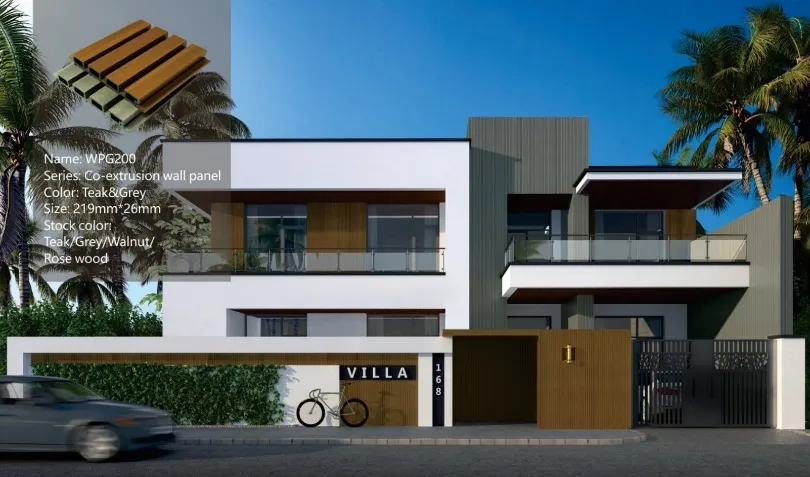
Still on the fence? Let's compare WPC to the materials you're probably already considering. The table below breaks down how WPC stacks up against wood, metal, and concrete in key areas that matter for industrial spaces.
| Factor | WPC Wall Panels | Traditional Wood | Metal Panels | Concrete Blocks |
|---|---|---|---|---|
| Expected Lifespan | 20–30 years (with proper care) | 5–10 years (prone to rot/warping) | 15–20 years (risk of rust) | 50+ years (but prone to cracking) |
| Maintenance Needs | Low (occasional cleaning) | High (annual painting/sealing) | Moderate (rust treatment every 2–3 years) | High (repair cracks, seal leaks) |
| Moisture Resistance | Excellent (no rot or mold) | Poor (swells/warps in humidity) | Moderate (rusts if coated improperly) | Good (but absorbs water, leading to cracks) |
| Installation Time (per 100 sq.m) | 1–2 days (modular panels) | 3–4 days (cutting, sanding, painting) | 2–3 days (heavy lifting, drilling) | 5–7 days (masonry work, curing time) |
| Cost Over 10 Years* | Low (initial + minimal maintenance) | High (frequent replacements + upkeep) | Moderate (initial + rust treatments) | High (installation + repairs) |
| Sustainability | High (recycled materials, low waste) | Low (requires tree harvesting) | Moderate (recyclable but energy-intensive to produce) | Low (high carbon footprint in production) |
*Estimated costs include initial purchase, installation, and maintenance for a 100 sq.m industrial wall.
The data speaks for itself: WPC outperforms traditional materials in nearly every category that matters for industrial spaces. It's more durable than wood, easier to maintain than metal, and faster to install than concrete—all while offering long-term cost savings.
Al-Mansoori Industries, a leading manufacturer of automotive parts in Riyadh, was struggling with their aging facility. Their concrete walls were cracked, leading to dust accumulation on sensitive machinery, and the wooden partitions in their assembly area warped so badly they no longer sealed properly, allowing noise to spread between workstations. Maintenance crews were spending 12+ hours weekly on repairs, and employee complaints about noise and dust were rising.
Their solution? A complete wall panel overhaul using our WPC wall panel solutions . We custom-designed panels to fit their facility's unique layout, including sound-dampening variants for noisy assembly lines and moisture-resistant panels for their warehouse storage areas. The installation took just 5 days, with work scheduled during night shifts to avoid disrupting production.
Three years later, the results are clear: maintenance time has dropped by 75%, dust-related machinery breakdowns are down by 60%, and employee surveys show a 30% improvement in workplace satisfaction. "We didn't just upgrade our walls—we upgraded our entire operation," said Al-Mansoori's facility manager. "The WPC panels paid for themselves within 18 months."
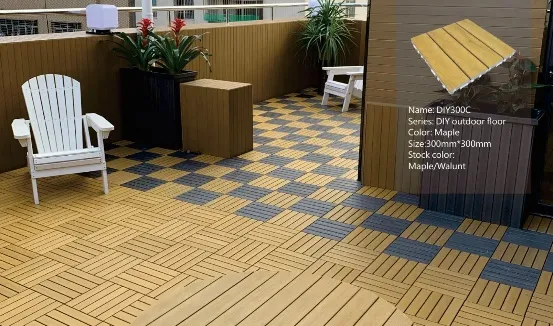
As a Saudi Arabia building materials supplier , we understand that industrial spaces are more than just walls. They're integrated ecosystems where every component—from flooring to ceilings—affects efficiency and safety. That's why we offer complementary solutions to pair with our WPC walls, creating cohesive, high-performance environments.
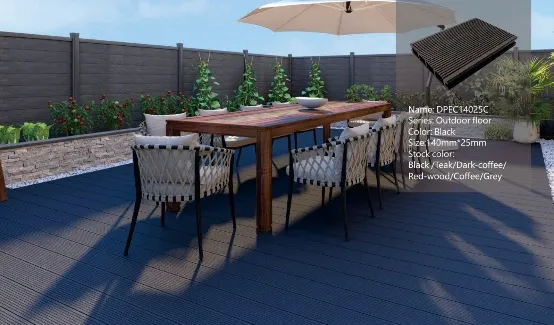
For example, our flooring solutions include durable WPC and vinyl options that resist heavy loads, chemicals, and slips—perfect for factory floors or warehouse walkways. When paired with WPC walls, these flooring systems create a unified, easy-to-clean surface that reduces dust buildup and simplifies maintenance. We also provide ceiling panels designed to improve acoustics and lighting, turning echoey workshops into quieter, brighter spaces where communication is easier and errors are fewer.
Our goal? To be more than a supplier—we're a partner in building industrial spaces that work as hard as you do. Whether you need a single wall panel replacement or a full facility overhaul, we offer custom design support, on-site installation guidance, and post-project follow-up to ensure your investment delivers long-term value.
Not all WPC panels are created equal, and neither are suppliers. When selecting a partner for your industrial project, keep these key factors in mind:
At our core, we pride ourselves on checking all these boxes. We source raw materials from trusted global suppliers, manufacture panels in ISO-certified facilities, and work closely with clients to tailor solutions to their specific needs. Our team includes engineers and project managers with decades of experience in Saudi Arabia's industrial sector—so you're never just buying a product; you're buying peace of mind.
As industrial spaces evolve—becoming smarter, greener, and more focused on employee well-being—so too will the materials used to build them. WPC wall panels are at the forefront of this shift, offering the durability, sustainability, and flexibility modern facilities demand. With advancements in manufacturing, we're already seeing new innovations: panels integrated with IoT sensors to monitor temperature or humidity, or even panels made with 100% recycled materials for zero-waste projects.
For Saudi Arabia's industrial sector, which is rapidly expanding and modernizing, WPC represents more than a trend—it's a practical investment in the future. As energy costs rise and sustainability becomes a business imperative, materials that reduce maintenance, improve efficiency, and lower environmental impact will become essential. WPC checks all these boxes, making it a cornerstone of the next generation of industrial facilities.
Industrial walls shouldn't be an afterthought. They should be a strategic asset—protecting your operations, reducing costs, and creating a better environment for your team. WPC wall panels offer all this and more, backed by the expertise of a WPC wall panel supplier that understands Saudi Arabia's industrial landscape inside out.
Whether you're building a new facility, renovating an existing one, or simply looking to solve a persistent wall-related headache, we're here to help. Let's work together to design a solution that fits your budget, meets your timeline, and exceeds your expectations. After all, your industrial space deserves walls that are as strong, resilient, and forward-thinking as your business.
Recommend Products











