

In the hospitality industry, where first impressions shape guest loyalty and online reviews, every detail of a hotel or resort's interior matters. From the moment a guest steps through the entrance to the second they settle into their room, the design—particularly the walls—communicates the property's identity: luxury, comfort, sustainability, or innovation. Today's hoteliers face a unique challenge: balancing aesthetics with durability, cost-effectiveness with long-term performance, and trend-forward design with timeless appeal. This is where WPC wall panels have emerged as a transformative solution, redefining how hospitality spaces look, feel, and function.
As a leading WPC wall panel supplier, we've witnessed firsthand how this material is revolutionizing interior decoration materials for hotels and resorts. Unlike traditional options that often fall short in high-traffic environments, WPC (Wood Plastic Composite) wall panels blend the best of wood's warmth with plastic's resilience, creating a product that addresses the industry's most pressing needs. In this article, we'll explore why WPC wall panel solutions are becoming the go-to choice for hospitality design, their applications across various hotel spaces, and how they elevate both guest experiences and operational efficiency.
At their core, WPC wall panels are engineered from a blend of recycled wood fibers, plastic polymers (often from post-consumer waste like bottles), and additives that enhance stability, fire resistance, and color retention. This composition results in a material that's neither purely wood nor plastic, but a hybrid with superior properties for high-demand environments like hotels and resorts.
For hospitality operators, the "why" is simple: WPC solves the trade-offs that have long plagued interior design. Solid wood, for example, brings warmth but warps in humidity, scratches easily, and requires frequent refinishing—costly and disruptive in a busy hotel. MDF (Medium-Density Fiberboard) is affordable but crumbles when exposed to moisture, making it unsuitable for spas or beachfront properties. PVC panels, while moisture-resistant, often feel cheap and lack the organic texture guests crave. WPC, by contrast, bridges these gaps, offering a material that's both visually appealing and built to withstand the rigors of daily hotel life.
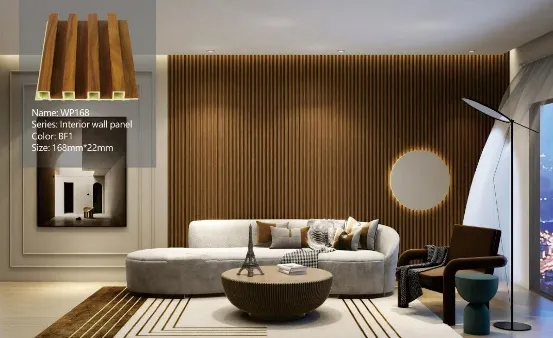
Hotels are bustling ecosystems: luggage wheels scrape walls in corridors, housekeeping carts bump into corners, and guests lean against surfaces while waiting. WPC wall panels are designed to resist dents, scratches, and impacts, maintaining their appearance even after years of heavy use. In a recent study by a leading hospitality design firm, hotels using WPC wall panels reported a 40% reduction in wall repair costs compared to those using traditional drywall or solid wood.
Whether it's a beach resort in the Maldives, a mountain lodge with misty mornings, or a spa with steam rooms, moisture is enemy number one for traditional wall materials. WPC panels are inherently water-resistant—their plastic component creates a barrier that prevents swelling, warping, or mold growth. This makes them perfect for bathrooms, pool areas, and coastal properties where humidity levels stay consistently high.
Hotel maintenance teams are stretched thin, juggling guest requests, safety checks, and daily upkeep. WPC wall panels alleviate this burden with their minimal maintenance needs. Unlike wood, they never require sanding, staining, or painting. A simple wipe with a damp cloth removes dirt, stains, or spills—no harsh chemicals needed. With a lifespan of 15–20 years (compared to 5–7 years for painted drywall), WPC panels deliver long-term value that aligns with a hotel's ROI goals.
Hospitality design is about storytelling, and WPC panels are versatile storytellers. Through advanced manufacturing techniques, they can mimic the look of natural materials—rich oak, rustic pine, smooth marble, or even textured stone—without the associated drawbacks. For a boutique hotel aiming for a cozy, cabin-like vibe, WPC panels with deep wood grain patterns set the mood. For a sleek, modern resort, smooth, matte-finish WPC in neutral tones creates a minimalist backdrop. The options are nearly endless, allowing designers to align walls with a property's unique brand narrative.
Today's travelers, especially millennials and Gen Z, prioritize hotels with strong sustainability credentials. WPC wall panels support these efforts in two key ways: they're made from recycled materials (up to 70% of their composition is reclaimed wood and plastic), reducing reliance on virgin resources and diverting waste from landfills. Additionally, their long lifespan means fewer replacements, lowering the carbon footprint associated with manufacturing and installation. Many WPC panels also meet low-VOC (Volatile Organic Compound) standards, improving indoor air quality—a subtle but impactful detail for guest health and comfort.
Safety is non-negotiable in hospitality, and building codes for hotels and resorts are stringent, especially regarding fire resistance. Reputable WPC wall panel suppliers ensure their products meet or exceed industry standards, with many panels rated Class B or higher for fire safety. This compliance not only protects guests and staff but also gives operators peace of mind during inspections and audits.
While WPC panels may have a slightly higher upfront cost than basic drywall or PVC, their total cost of ownership is significantly lower. Consider this: a hotel using painted drywall might repaint every 2–3 years, at a cost of $2–$4 per square foot each time. WPC panels, installed once, require no repainting and minimal repairs, saving thousands over a decade. For large resorts with thousands of square feet of wall space, this adds up to substantial operational savings.
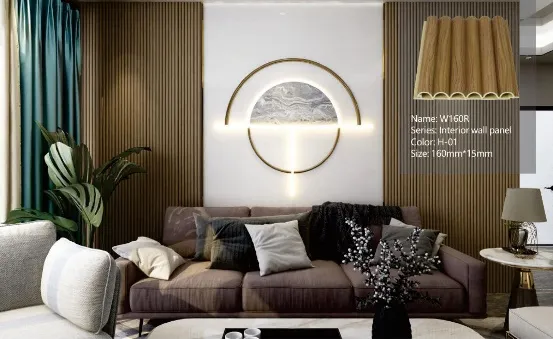
WPC wall panels aren't a one-size-fits-all solution—their versatility allows them to enhance nearly every area of a hospitality property, from public spaces to private retreats. Let's explore how they transform specific environments:
The lobby is a hotel's "face," and its walls set the tone for the guest experience. WPC panels here can be used to create focal walls—think a feature wall behind the reception desk with a bold wood grain pattern or a textured finish that catches the light. In luxury resorts, combining WPC with other high-end materials like stone or metal adds depth, while in boutique hotels, playful colors (yes, WPC panels come in hues beyond neutrals!) can reflect the property's personality. Because lobbies see constant foot traffic, the scratch and impact resistance of WPC ensures the space stays looking fresh, even during peak check-in times.
Guest rooms are where durability and aesthetics collide most critically. Guests spend hours here, and walls take daily abuse: suitcases scraping against surfaces, children leaning against them, accidental spills. WPC panels in guest rooms solve these issues with their scratch-resistant surface and easy-to-clean finish. Imagine a family-friendly resort where a child spills juice on the wall—housekeeping can wipe it clean in seconds, no need for touch-up paint. For luxury hotels, WPC panels with a matte wood finish can mimic the look of expensive hardwood walls without the risk of water damage from bathroom humidity. Even better, WPC's sound-dampening properties can help reduce noise transfer between rooms,.
Dining spaces in hotels face unique challenges: food and drink spills, heat from kitchen equipment, and high humidity in tropical resorts. WPC wall panels are a natural fit here, thanks to their moisture resistance and easy maintenance. In a beachfront bar with ocean breezes and occasional splashes, WPC panels won't swell or discolor. In a fine-dining restaurant with a rustic theme, panels with a weathered wood finish create ambiance without the upkeep of real reclaimed wood. Even in hotel cafes, where coffee stains are inevitable, a quick wipe with a damp cloth keeps walls looking pristine.
Spas and wellness areas are designed to be oases of calm, but their high humidity (from steam rooms, saunas, and showers) can wreak havoc on traditional walls. Solid wood walls here quickly develop mold; painted drywall peels; tile can feel cold and clinical. WPC panels, however, thrive in these environments. Their moisture-resistant core prevents mold growth, while their warm texture maintains the spa's inviting atmosphere. For example, a hotel spa with a zen theme might use WPC panels in soft, earthy tones to complement stone floors and bamboo accents, creating a cohesive, tranquil space that feels natural yet durable.
Hotel corridors are the unsung workhorses of the property, traversed by guests, staff, and luggage carts 24/7. Traditional walls here often show wear quickly: scuff marks, dents, and discoloration. WPC panels stand up to this abuse, maintaining their appearance even in busy high-rise hotels. Many properties opt for neutral-colored WPC panels in corridors to create a clean, cohesive look, with accent panels at elevator lobbies to add visual interest. The result? Corridors that feel fresh and welcoming, not worn and neglected—a subtle detail that influences overall guest perception.
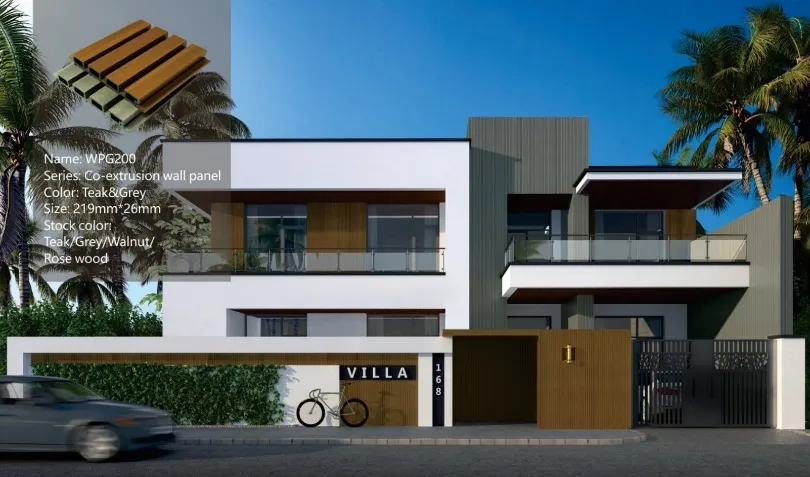
While WPC is primarily used indoors, some suppliers offer specialized outdoor-rated WPC panels, perfect for covered patios, poolside cabanas, or resort walkways that transition from interior to exterior. These panels resist UV rays, rain, and temperature fluctuations, making them ideal for creating a seamless design flow between indoor and outdoor spaces—key for resorts aiming to connect guests with nature.
To truly understand why WPC wall panels are gaining traction in hospitality, it helps to see how they stack up against traditional materials. Below is a comparison table highlighting key factors that matter most to hoteliers:
| Material | Durability (Scratches/Impacts) | Moisture Resistance | Maintenance Needs | Aesthetic Versatility | Sustainability | Total Cost of Ownership (10-Year Estimate) |
|---|---|---|---|---|---|---|
| WPC Wall Panels | High: Resistant to dents, scratches, and impacts from luggage/carts | Excellent: Withstands humidity, steam, and occasional spills; no warping or mold | Low: Wipe clean with mild soap; no painting, staining, or refinishing | High: Wood grain, stone, solid colors, matte/gloss finishes; customizable sizes | High: Made from recycled materials; low VOC emissions; long lifespan reduces waste | $15–$20/sq. ft. (installation + minimal upkeep) |
| Solid Wood Panels | Medium: Prone to scratches, dents, and water rings | Poor: Warps in humidity; swells with moisture; susceptible to mold | High: Annual refinishing; staining every 2–3 years; repairs for scratches | High: Rich, natural texture; but limited to wood tones | Low: Requires harvesting of trees; high carbon footprint from processing | $40–$60/sq. ft. (installation + refinishing + repairs) |
| Painted Drywall | Low: Easily scratched; dents from impacts; holes from | Poor: Absorbs moisture; peels in humidity; mold risk in damp areas | Very High: Repaint every 2–3 years; patch holes/scratches monthly | Medium: Solid colors only; limited texture; requires frequent updates to stay trendy | Medium: Recyclable but short lifespan leads to frequent replacement | $25–$30/sq. ft. (installation + repainting + repairs) |
| PVC Panels | Medium: Resistant to impacts but can crack under heavy force | Good: Moisture-resistant but less breathable; may trap condensation | Low: Wipe clean; but prone to yellowing in sunlight | Low: Often shiny, plastic-like appearance; limited texture options | Low: Made from virgin plastic; non-biodegradable; difficult to recycle | $18–$22/sq. ft. (installation + replacement of yellowed panels) |
| MDF Panels | Low: Soft; easily dented; crumbles when exposed to moisture | Very Poor: Absorbs water instantly; swells and disintegrates | High: Paint chipping; requires frequent repairs; not suitable for humid areas | Medium: Can be painted or laminated; but lacks depth of natural materials | Low: Made from wood fibers but often uses non-recycled materials | $30–$35/sq. ft. (installation + repairs + replacement in damp areas) |
As the table shows, WPC wall panels outperform traditional materials in nearly every category that matters to hoteliers—especially durability, moisture resistance, and long-term cost. For properties prioritizing both guest experience and operational efficiency, this makes WPC a clear choice.
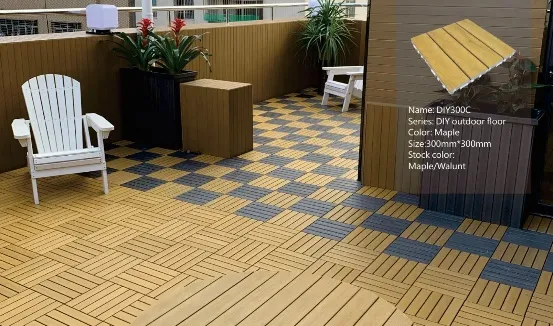
One of the most compelling aspects of working with a reputable WPC wall panel supplier is the ability to customize panels to align with a hotel's unique brand identity. No two properties are the same, and WPC panels can be tailored in countless ways:
Whether your hotel uses a signature shade of blue (like a coastal resort) or warm terracottas (like a desert lodge), WPC panels can be color-matched to your brand's exact specifications. This ensures consistency across all touchpoints, from walls to signage to staff uniforms.
From smooth, contemporary finishes to deeply embossed wood grains that mimic oak, teak, or walnut, WPC panels offer texture options to suit any theme. For a luxury boutique hotel, a hand-scraped texture adds rustic charm; for a modern business hotel, a sleek, high-gloss finish conveys professionalism.
WPC panels can be cut to custom sizes, making them ideal for unique architectural features: curved walls in a resort lobby, accent panels above bedheads in guest rooms, or even branded logos integrated into wall designs. Some suppliers also offer interlocking systems for quick installation around corners or uneven surfaces.
WPC panels play well with other interior decoration materials, allowing designers to create layered, visually interesting spaces. For example, pairing WPC wood-grain panels with stone flooring solutions in a lobby creates a harmonious blend of warmth and luxury. In guest rooms, WPC walls can complement ceiling solutions like exposed beams or modern pendant lights, tying the entire design together.
For resorts or large hotels looking to maintain a unified aesthetic across multiple buildings or wings, whole-house customization solutions ensure that WPC panels, flooring, and even furniture elements work together seamlessly. This not only but also simplifies maintenance, as staff can learn to care for a single material system across the property.
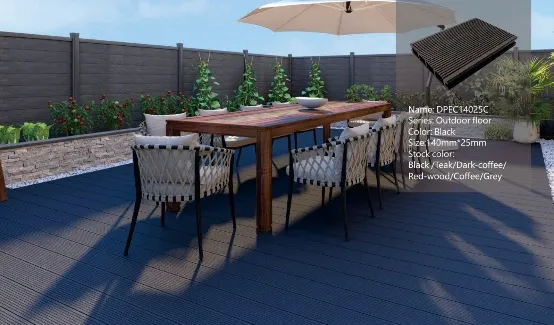
A 150-room beachfront resort in Bali was struggling with a recurring issue: its guest room walls, originally finished with painted drywall, were peeling and developing mold within months of opening. The high humidity, combined with frequent guest turnover (up to 80% occupancy year-round), meant housekeeping was constantly touching up paint, and maintenance crews were replacing sections of drywall—costing the resort thousands annually and leading to negative guest reviews citing "dated" or "unkept" rooms.
The resort's management team partnered with our WPC wall panel supplier to renovate all guest rooms and common areas. They chose panels with a light teak wood grain finish to complement the resort's tropical aesthetic, paired with moisture-resistant flooring solutions for a cohesive look. The panels were installed over existing drywall, reducing renovation time and minimizing guest disruption.
Six months after installation, the results were clear: maintenance costs dropped by 65%, as there was no need for repainting or drywall repairs. Guest reviews "beautiful, clean rooms" and "impressive attention to detail" increased by 40%. Housekeeping staff reported spending 70% less time on wall maintenance, allowing them to focus on other guest-facing tasks. Most notably, the panels withstood Bali's humid climate without warping or mold, proving their long-term durability in challenging conditions.
Not all WPC wall panel suppliers are created equal, and selecting the right partner is critical to ensuring your hotel or resort gets the quality, customization, and support it needs. Here are key factors to consider:
Look for suppliers with a proven track record in hotels, resorts, or similar high-traffic spaces. Ask for case studies or references from hospitality clients—this ensures they understand the unique challenges of the industry, from fire safety codes to fast-track installation timelines.
Reputable suppliers will have certifications for quality (ISO 9001), sustainability (FSC, recycled content verification), and safety (fire ratings, low VOC emissions). These certifications are non-negotiable for ensuring compliance and guest safety.
Your supplier should offer flexibility in colors, textures, and sizes. Ask about minimum order quantities for custom designs—some suppliers require large volumes, which may not be feasible for boutique hotels. A good supplier will work with you to find solutions that fit your project's scale.
Even the best panels perform poorly with improper installation. Choose a supplier that provides detailed installation guides, on-site training for contractors, or access to certified installers. Post-sales support is also crucial—look for suppliers who offer warranties (5–10 years is standard) and responsive customer service for any issues that arise.
If sustainability is part of your hotel's brand, verify that your supplier's WPC panels are made from recycled materials and manufactured using eco-friendly processes. Ask for transparency reports or third-party audits to back up their claims.
In an industry where guest expectations are higher than ever, and operational costs are under constant scrutiny, WPC wall panels offer a rare win-win: they enhance the guest experience with beautiful, durable walls while reducing long-term maintenance and repair costs. As a WPC wall panel supplier, we've seen how this material transforms hotels and resorts from ordinary to extraordinary—creating spaces that feel luxurious yet lived-in, trendy yet timeless, and sustainable without sacrificing style.
Whether you're designing a new luxury resort, renovating a boutique hotel, or updating guest rooms in a family-friendly property, WPC wall panel solutions deserve a spot on your list of interior decoration materials. They're not just a wall covering—they're an investment in guest satisfaction, operational efficiency, and the future of hospitality design.
So, the next time you walk into a hotel lobby and find yourself drawn to the warmth of the walls, the durability that withstands the chaos of travel, and the seamless blend of beauty and function, chances are, you're looking at WPC. And as hoteliers continue to prioritize experiences that delight guests and drive loyalty, we're confident this innovative material will only grow in popularity—one wall, one resort, one unforgettable stay at a time.
Recommend Products











