

Walk down the cobblestone streets of a historic district, and you'll likely pause to admire the weathered facades, ornate cornices, and arched doorways that whisper stories of a bygone era. These buildings aren't just structures—they're living testaments to culture, craftsmanship, and the passage of time. Yet, preserving them is no small feat. Renovating a historical building demands a delicate dance: honoring its heritage while equipping it to meet the demands of modern life. Moisture, pests, fire safety, and the need for low maintenance often clash with the desire to retain original aesthetics. This is where the choice of materials becomes critical—and why forward-thinking suppliers are turning to innovations like WPC wall panels, paired with timeless elements like cultural stone, to strike that perfect balance.
Historical buildings are riddled with unique challenges. Many were constructed with materials that, while beautiful, lack the durability required for today's standards. Traditional wood paneling, for example, is prone to rot and insect infestations in humid climates—a common issue in regions like Saudi Arabia, where temperature fluctuations and moisture can wreak havoc on aging structures. Stone, while sturdy, often requires intensive maintenance; cultural stone, a favorite for its rustic, authentic appeal, can crack over time if not properly sealed, and its weight may strain the structural integrity of older walls. Add to this the need for modern safety codes—fire resistance, insulation, and accessibility—and it's clear: renovation isn't just about "restoring"—it's about reimagining with materials that respect history without being bound by it.
Enter the role of the modern building material supplier. Today's suppliers aren't just vendors—they're partners in preservation. They understand that the right materials must do more than "work"; they must tell a story. This is where WPC wall panel solutions and cultural stone solutions come into play: one a product of cutting-edge engineering, the other a nod to age-old craftsmanship, together creating a synergy that breathes new life into historical spaces.
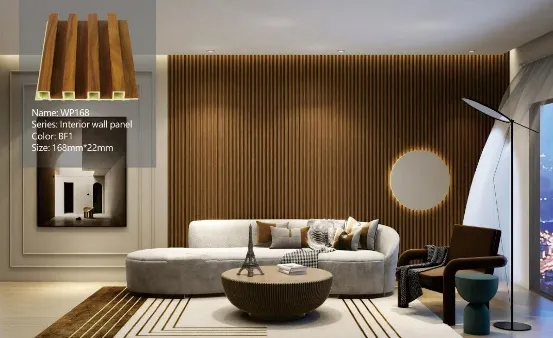
WPC, or Wood-Plastic Composite, is a material that defies expectations. At first glance, it might look like traditional wood or stone—warm, textured, and rich with character. But beneath that familiar surface lies a blend of recycled wood fibers and plastic polymers, engineered to be tough, versatile, and surprisingly eco-friendly. For a WPC wall panel supplier, this means offering solutions that don't just meet modern standards but elevate them—all while paying homage to the past.
So, why are WPC wall panels becoming a go-to for historical renovations? Let's break it down:
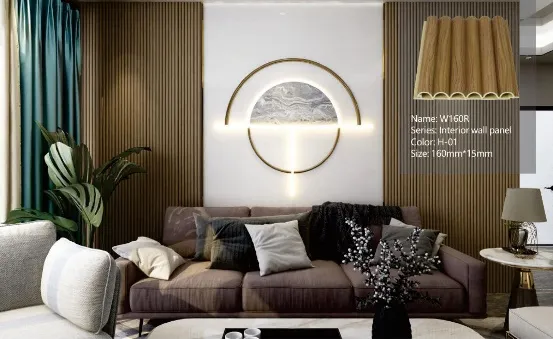
While WPC brings modern resilience, cultural stone brings soul. As a cultural stone supplier, the goal is to provide solutions that feel "lived-in"—stones with irregular edges, natural color variations, and the patina of age that makes historical buildings feel authentic. Cultural stone isn't just a material; it's a link to the artisans who built these structures centuries ago.
However, traditional cultural stone has its drawbacks. Its weight can stress old foundations, and its porous nature requires regular sealing to prevent water damage. This is where pairing cultural stone with WPC wall panels shines. For example, in a renovation of a 19th-century villa, the lower half of the exterior might feature genuine cultural stone for that authentic "base," while the upper walls use WPC panels textured to match the stone. This combination reduces structural load, cuts maintenance costs, and ensures the building remains true to its roots.
| Material | Durability | Maintenance | Sustainability | Ideal For |
|---|---|---|---|---|
| WPC Wall Panels | High (resists rot, insects, moisture) | Low (no painting/sealing needed) | High (recycled materials) | Exterior walls, interior cladding, high-moisture areas |
| Cultural Stone | High (natural stone, long-lasting) | Moderate (requires periodic sealing) | Moderate (quarrying impact, but reusable) | Accent walls, entryways, decorative facades |
| Traditional Wood | Low (prone to rot, insects, warping) | High (regular painting, staining) | Low (requires virgin timber) | Restricted use (only for low-moisture, well-maintained areas) |
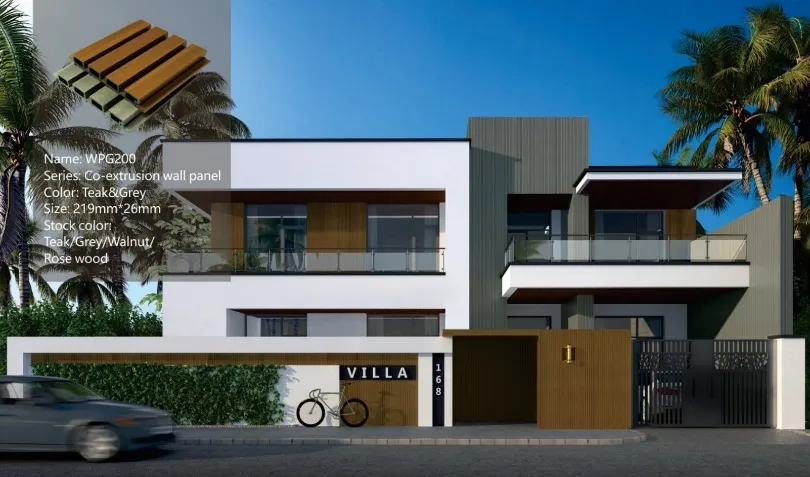
To see this blend in action, look no further than the recent renovation of a 1920s merchant's house in Riyadh's Al-Bathaa district. Once a crumbling relic, the building now stands as a vibrant community center, thanks in part to a strategic mix of WPC wall panel solutions and cultural stone.
The original structure featured thick mud-brick walls and a wooden roof, both of which had deteriorated over time. The renovation team faced two goals: preserve the house's distinctive Najdi architectural style (characterized by geometric patterns and earthy tones) and make it safe for public use. Enter the WPC wall panel supplier and cultural stone supplier, who collaborated to create a hybrid solution.
The exterior walls were reinforced with WPC panels textured to mimic the original mud-brick's rough, uneven surface. Lightweight and easy to install, the panels reduced strain on the foundation while providing insulation against Riyadh's scorching heat. For the decorative archways and window surrounds—key elements of Najdi design—cultural stone was used to add depth and authenticity. The stone, sourced locally, was hand-selected to match the warm, terracotta hues of the original structure, ensuring the building retained its historical identity.
Inside, WPC wall panels continued the theme, with custom wood-grain textures lining the main hall, evoking the warmth of traditional Saudi interiors without the risk of termite damage. Flooring solutions were chosen to complement the walls: durable, moisture-resistant tiles that mimicked the look of aged terracotta, tying the space together. The result? A building that feels both timeless and modern—a space where visitors can touch history without worrying about its future.
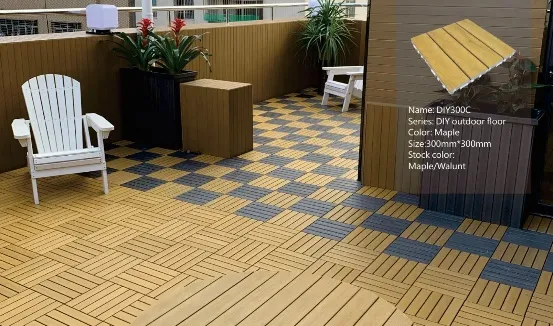
While walls are a focal point, historical renovation is a holistic endeavor. A one-stop architectural solution provider understands that every element—from flooring to ceiling, pipes to fixtures—must work in harmony. For example, WPC wall panel solutions might be paired with WPC flooring, creating a cohesive look that's easy to maintain. Pipes and fittings, often an afterthought, are chosen for their durability and ability to be hidden within the structure, preserving the building's clean lines. Even ceiling solutions play a role: lightweight, fire-resistant materials that replicate the look of original wooden beams without the fire risk.
In the Al-Bathaa project, for instance, the team opted for PVC DWV pipes—durable, corrosion-resistant, and easy to install in tight spaces—ensuring the building's plumbing met modern standards without disrupting the historical layout. Similarly, ceiling solutions included recessed lighting fixtures that blended seamlessly with the WPC paneling, illuminating the space while keeping the focus on the architecture.
Historical buildings are more than bricks and mortar—they're the soul of a community. Renovating them isn't just about fixing what's broken; it's about reimagining how they can serve future generations while honoring the past. As a WPC wall panel supplier and cultural stone supplier, the mission is clear: provide solutions that don't just restore buildings, but redefine what preservation means.
WPC wall panels and cultural stone, together, represent this new era of preservation. They're a testament to human ingenuity—using modern technology to protect what's old, and respecting tradition to ground what's new. In the end, the best historical renovations are those where you can't tell where the past ends and the present begins. And with the right materials, that balance isn't just possible—it's inevitable.
Recommend Products











