

Walk into any modern commercial building—whether it's a bustling office complex, a busy hospital, or a vibrant school—and you'll notice that every detail serves a purpose. From the lighting that sets the mood to the flooring that handles foot traffic, every element contributes to functionality, safety, and aesthetics. But among these, wall panels stand out as unsung heroes. They're not just about covering walls; they're about protecting what matters most: the people inside. For building owners, architects, and contractors, choosing the right wall panels isn't just a design decision—it's a commitment to safety. And when it comes to safety, few factors are as critical as fire resistance. That's where understanding fire-retardant options becomes essential, especially when partnering with a trusted WPC wall panel supplier or commercial building materials supplier .
Commercial buildings are dynamic environments. They host hundreds, sometimes thousands, of people daily—employees, customers, patients, students. They house valuable equipment, sensitive data, and irreplaceable assets. In such settings, walls do more than divide spaces; they act as barriers, insulators, and first lines of defense in emergencies. A single spark, an electrical fault, or an accidental fire can escalate quickly, and the materials used in walls can mean the difference between containment and catastrophe.
This is why modern building codes worldwide place strict regulations on fire safety. Materials are tested rigorously, assigned fire ratings, and restricted or recommended based on their performance under heat and flame. For those in the industry, this means one thing: cutting corners on wall panels isn't an option. It's about choosing materials that meet or exceed safety standards while still delivering on durability, design flexibility, and cost-effectiveness. And that's where suppliers specializing in interior decoration materials and fire-retardant solutions step in—they bridge the gap between compliance and creativity.

Before diving into fire retardancy, let's get to know the star of the show: WPC wall panels. WPC, or Wood-Plastic Composite, is exactly what it sounds like—a blend of wood fibers and plastic polymers. This combination marries the best of both worlds: the natural look and feel of wood with the durability and low maintenance of plastic. Think of it as a material designed for the real world—resistant to moisture, rot, and pests, and easy to clean, making it ideal for high-traffic commercial spaces.
But WPC panels aren't just tough; they're versatile. Available in a range of finishes—from wood grains that mimic oak or maple to sleek solids that complement modern interiors—they adapt to any design vision. Whether you're aiming for a warm, inviting lobby or a sleek, professional office, WPC panels offer the flexibility to bring that vision to life. And when engineered with fire-retardant additives, they become even more valuable, transforming from functional decor to life-saving components.

Let's talk about fire. According to the National Fire Protection Association (NFPA), commercial building fires account for over 100,000 incidents annually in the U.S. alone, resulting in millions of dollars in damage and, tragically, loss of life. Many of these fires spread rapidly due to flammable materials, giving occupants little time to evacuate and firefighters little chance to contain the blaze. This is why fire codes—like the International Building Code (IBC) or local standards in regions like Saudi Arabia—mandate strict fire ratings for building materials, including wall panels.
Fire ratings aren't just numbers on a sheet. They measure how long a material can resist fire, prevent flame spread, and maintain structural integrity. For example, a Class A fire rating (the highest in many systems) means a material resists severe fire exposure, limits flame spread, and produces minimal smoke. In commercial spaces, where evacuation routes can be complex and occupancy high, materials with high fire ratings aren't just recommended—they're required. Hospitals, schools, and high-rise offices, in particular, face stringent regulations because they house vulnerable populations or have limited escape options.
"When we renovated our school last year, fire safety was our top priority. We have 500 students and staff on-site daily, and their safety isn't something we could compromise on. Working with a supplier who understood both fire codes and our design needs made all the difference. We ended up choosing fire-retardant WPC panels for classrooms and Class A fireproof CPL inorganic boards for labs—materials that didn't just meet regulations but gave us peace of mind." — Maria Gonzalez, Facilities Manager, Riverview School District

So, how do WPC wall panels stack up when it comes to fire safety? The answer lies in their composition and engineering. Traditional wood panels are highly flammable, but WPC panels, by contrast, are inherently more resistant due to their plastic component. However, to meet the rigorous demands of commercial buildings, reputable suppliers take it a step further: they add fire-retardant additives during the manufacturing process. These additives work in three key ways: they slow down combustion, reduce the spread of flames, and limit the release of toxic smoke—all critical in a fire scenario.
But not all fire-retardant WPC panels are created equal. The best WPC wall panel suppliers subject their products to rigorous testing. They adhere to standards like ASTM E84 (Standard Test Method for Surface Burning Characteristics of Building Materials), which measures flame spread and smoke development. A low flame spread index (FSI) and smoke developed index (SDI) indicate better performance. For example, a panel with an FSI of 25 or lower and SDI under 450 is typically classified as Class A, making it suitable for even the most demanding commercial settings.
Beyond fire resistance, WPC panels offer a host of benefits that make them a top choice for commercial buildings: durability (they resist scratches, dents, and moisture), sustainability (many use recycled wood and plastic), and ease of installation (lightweight and compatible with standard mounting systems). When combined with fire retardancy, these features make them a versatile solution for spaces like offices, retail stores, and hospitality venues.
WPC panels are excellent, but they're not the only fire-retardant option on the market. Depending on your project's needs—whether it's a hospital requiring sterile surfaces, a school prioritizing low maintenance, or an office aiming for a high-end look—other materials might be better suited. Let's break down some popular choices, including Class A fireproof CPL inorganic boards , MCM flexible cladding, and bamboo charcoal board wall panels, to help you make an informed decision.
| Material Type | Fire Rating (Typical) | Key Applications | Primary Benefits | Considerations |
|---|---|---|---|---|
| Fire-Retardant WPC Wall Panels | Class A (ASTM E84) | Offices, Retail, Hospitality, Gyms | Durable, moisture-resistant, low maintenance, wood-like aesthetics | May have higher upfront cost than standard WPC; limited color options in some lines |
| Class A Fireproof CPL Inorganic Boards | Class A (Non-combustible) | Hospitals, Schools, Labs, Healthcare Facilities | Non-combustible core, chemical-resistant, easy to sanitize, ideal for sterile environments | Heavier than WPC; requires specialized installation for large panels |
| MCM Flexible Cladding Stone Wall Panels | Class A (ASTM E84) | Exteriors, High-Traffic Interiors (Malls, Airports) | Lightweight, weather-resistant, customizable finishes (stone, metal looks) | Not ideal for areas with high moisture (e.g., bathrooms without proper sealing) |
| Bamboo Charcoal Board Wall Panels | Class B to Class A (depending on additives) | Eco-friendly offices, Wellness Centers, Educational Spaces | Sustainable, natural odor absorption, low VOC emissions | Fire rating varies by manufacturer; may require additional fire treatments for Class A |
Each material has its strengths, but for many commercial projects, WPC panels strike a balance between fire safety, aesthetics, and practicality. They're lightweight, easy to install, and adaptable to diverse design needs. For specialized settings like hospitals or schools, however, Class A fireproof CPL inorganic board for hospital and school supplier options are often preferred. These panels have a non-combustible inorganic core (like cement or mineral fiber) coated with a CPL (Continuous Pressure Laminate) surface, making them resistant to fire, chemicals, and bacteria—critical in environments where hygiene and safety are paramount.
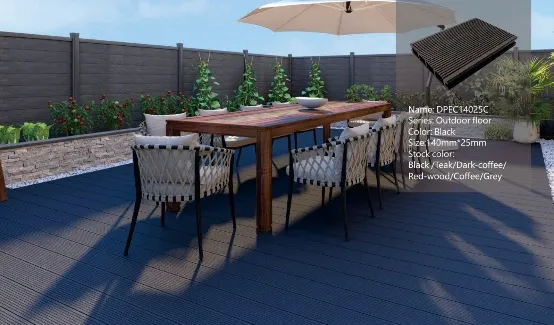
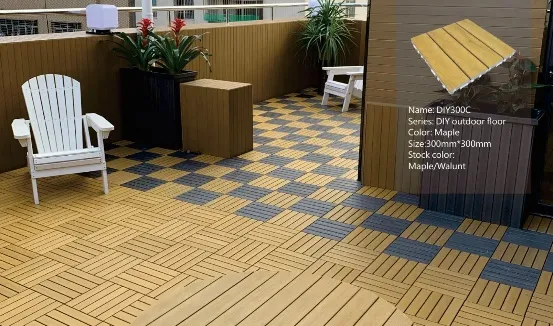
Choosing the right fire-retardant wall panels is just one piece of the puzzle. Commercial building projects are complex, with multiple materials, timelines, and stakeholders involved. That's why partnering with a one-stop architectural solution provider matters. These suppliers don't just sell products; they offer expertise, customization, and end-to-end support. Imagine working with a team that understands not only WPC panels but also flooring solutions , ceiling solutions , and even sanitary fixtures —all with a focus on fire safety and compliance. It streamlines communication, reduces delays, and ensures consistency across materials.
A reliable supplier will start by listening. They'll ask about your project's specific needs: What's the occupancy? Are there special regulations (e.g., healthcare vs. education)? What's your design vision? From there, they'll recommend tailored solutions. For example, a hospital might need a mix of Class A CPL panels in patient rooms (for fire safety and sanitation) and WPC panels in administrative areas (for cost-effectiveness and warmth). A school might opt for fire-retardant WPC in classrooms and bamboo charcoal boards in common areas (for sustainability and air quality).
Quality assurance is another cornerstone. Reputable suppliers don't just claim their products are fire-retardant—they provide certifications. Look for documents like ASTM E84 reports, UL listings, or local certifications (e.g., SASO in Saudi Arabia for Saudi Arabia building materials supplier partners). These certifications aren't just paperwork; they're proof that the product has been independently tested and meets safety standards.
To truly understand the impact of fire-retardant wall panels, let's look at real-world examples. Take Greenfield Medical Center, a 12-story hospital in downtown Metropolis. When they underwent a renovation last year, their priority was to upgrade patient rooms and corridors to meet the latest fire codes while maintaining a calming, healing environment. Their commercial building materials supplier recommended Class A fireproof CPL inorganic boards for patient rooms. These panels are non-combustible, so even in a fire, they don't contribute to flame spread. Plus, their smooth, non-porous surface is easy to clean with harsh disinfectants—critical for infection control. In corridors, they chose fire-retardant WPC panels with a wood-grain finish to add warmth, creating a less clinical feel for visitors and staff.
Another example is Horizon Office Tower, a LEED-certified building in a busy business district. They wanted to balance sustainability with safety, so they partnered with a WPC wall panel supplier that offers eco-friendly, fire-retardant options. The panels, made with recycled plastic and wood fibers, earned them green building credits while meeting Class A fire ratings. The result? Open, airy offices with modern wood-like walls that employees love—and building managers trust to keep everyone safe.
"We didn't just need wall panels; we needed a partner who could align with our values. Sustainability and safety were non-negotiable. Our supplier didn't just deliver fire-retardant WPC panels—they walked us through every step, from material selection to installation, ensuring we hit our LEED goals without compromising on protection. That level of support made the project feel manageable, even with tight deadlines." — Raj Patel, Project Architect, Horizon Office Tower
Even the best fire-retardant panels can underperform if installed incorrectly. That's why working with a supplier that offers installation guidance—or partners with certified installers—is crucial. For WPC panels, proper spacing, fastening, and sealing are key. Gaps between panels, for example, can allow flames to spread, while poor sealing can lead to moisture damage, which weakens structural integrity over time. Similarly, Class A CPL inorganic boards, with their heavier weight, require secure mounting systems to prevent sagging or detachment during a fire.
Maintenance is another factor. Fire-retardant properties don't last forever if panels are neglected. Regular inspections for cracks, water damage, or wear can catch issues early. For WPC panels, simple cleaning with mild soap and water is usually sufficient. For CPL boards in hospitals, frequent sanitization with approved cleaners won't compromise fire performance, but abrasive tools or harsh chemicals might—so following the supplier's guidelines is a must.
The world of building materials is evolving, and fire-retardant wall panels are no exception. Today's innovations focus on three trends: sustainability, smart technology, and enhanced performance. Suppliers are experimenting with bio-based fire retardants (reducing reliance on chemicals), integrating sensors into panels to detect heat or smoke, and developing thinner, lighter panels with even higher fire ratings. Imagine a WPC panel that not only resists fire but also sends alerts to building management systems when temperatures rise—adding an extra layer of safety.
Sustainability is also taking center stage. As more buildings aim for net-zero carbon footprints, fire-retardant panels made from recycled or renewable materials are in demand. Bamboo charcoal boards, for example, are gaining traction not just for their eco-friendly credentials but also for their natural ability to improve indoor air quality. Meanwhile, suppliers are exploring ways to make fire retardants themselves more sustainable—reducing toxicity and ensuring panels are recyclable at the end of their lifespan.
At the end of the day, selecting fire-retardant wall panels isn't just about picking a product off a shelf. It's about choosing a partner who understands your project's unique needs, prioritizes safety, and stands behind their materials. Whether you're a contractor working on a school, an architect designing a hospital, or a building owner upgrading an office, the right commercial building materials supplier will be with you every step of the way—from initial design to post-installation support.
So, what should you look for? Start with a track record. Ask for references, case studies, and certification documents. Then, assess their range of solutions: Do they offer not just WPC panels but also Class A fireproof CPL inorganic board solutions , flooring solutions , or interior decoration materials to meet all your needs? Finally, gauge their commitment to innovation: Are they investing in new technologies or sustainable practices? A supplier that's forward-thinking is more likely to keep you ahead of evolving codes and trends.
Fire-retardant wall panels are more than a building requirement—they're a promise. A promise to protect the people who use the space, the assets within it, and the legacy of the building itself. For commercial projects, this promise is non-negotiable. Whether you choose WPC panels for their versatility, Class A CPL inorganic boards for their non-combustible strength, or a mix of materials tailored to your space, the key is to partner with a supplier who shares your commitment to safety and quality.
In the end, the best WPC wall panel supplier or one-stop architectural solution provider isn't just selling materials—they're helping build safer, smarter, and more resilient commercial spaces. And in a world where peace of mind is priceless, that's an investment worth making.
Recommend Products











