

There's something magical about coastal living—waking up to the sound of waves, feeling the breeze off the ocean, and enjoying sunsets that paint the sky in hues of orange and pink. But for anyone who's built or renovated a home, hotel, or commercial space near the coast, that magic comes with a hidden battle: the relentless assault of saltwater, humidity, and harsh weather. Wood rots, metal rusts, concrete cracks, and paint peels—all while your budget dwindles on constant repairs. If you've ever wished for a building material that could stand up to the coast's (temper) without sacrificing style, you're not alone. That's where WPC wall panel solutions come in—and why choosing the right WPC wall panel supplier can turn your coastal project from a headache into a long-lasting success story.
Let's start with the basics: coastal environments are brutal. Salt spray from the ocean carries corrosive particles that eat away at surfaces. High humidity creates the perfect breeding ground for mold and mildew. UV rays from the sun fade colors and weaken materials over time. Even rain, when mixed with salt, becomes a potent solvent that breaks down everything from wood fibers to metal alloys.
Take wood, for example. A classic choice for its warm, natural look, but in coastal areas, untreated wood can start rotting within 2-3 years. Pressure-treated wood lasts longer, but the chemicals used to treat it leach into the soil and water, harming marine life—a big no-no for eco-conscious coastal communities. Then there's vinyl siding: it resists moisture, but it's prone to warping in high heat and can crack in cold snaps. Concrete? It's strong, but saltwater seeps into tiny pores, causing spalling (flaking) that ruins its appearance and structural integrity.
Contractors and architects will tell you: the wrong material choice in a coastal project isn't just a cosmetic issue—it's a financial one. Replacing rotted wood panels or repainting corroded metal every few years adds up fast. And for homeowners or business owners, it's frustrating to invest in a beautiful space only to watch it deteriorate before your eyes.
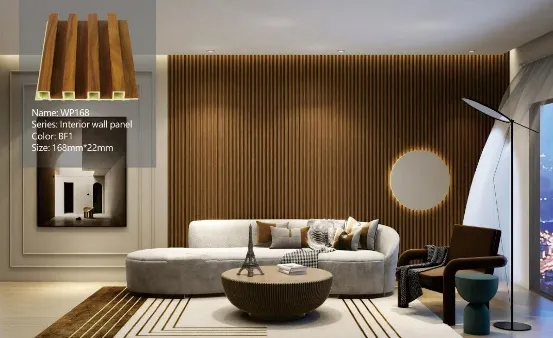
Enter Wood-Plastic Composite (WPC) wall panels—a material designed to bridge the gap between durability and design. WPC panels are made by blending wood fibers (from recycled wood or sustainable sources) with plastic polymers (like HDPE or PVC) and additives that boost strength, UV resistance, and moisture protection. The result? A panel that looks and feels like wood but behaves like a superhero in harsh environments.
But not all WPC panels are created equal. That's where partnering with a trusted WPC wall panel supplier matters. The best suppliers don't just sell panels—they offer WPC wall panel solutions tailored to coastal needs. Think: panels engineered specifically to resist saltwater penetration, reinforced to withstand high winds, and treated to block UV rays. These aren't generic products; they're tools built for the unique challenges of coastal construction.
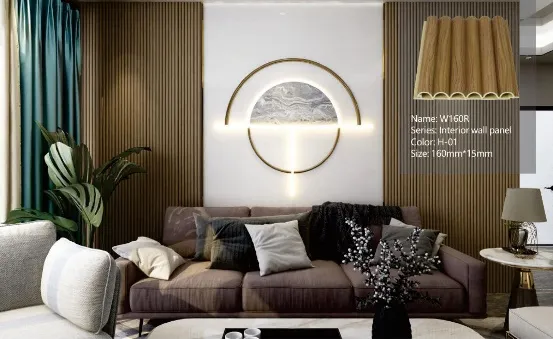
As a leading WPC wall panel supplier with years of experience in coastal regions—from beachfront homes in Saudi Arabia to resort hotels in tropical destinations—we've learned what it takes to make panels that don't just survive but thrive near the ocean. Here's what sets our solutions apart:
Saltwater is the number one enemy of coastal materials, but our WPC panels laugh in its face. The plastic polymer matrix in our panels creates a waterproof barrier that repels salt spray and moisture. Unlike wood, which absorbs water and swells, or metal, which oxidizes, our panels won't rot, warp, or develop mold—even when exposed to daily saltwater mist. We've tested them in labs and in real-world settings: panels installed on a beachfront restaurant in Jeddah five years ago still look as crisp as the day they were put up, with zero signs of degradation.
Coastal sun is intense, and over time, it can turn vibrant colors into dull shadows. Our WPC panels include UV inhibitors that lock in color, so that rich oak grain or sleek gray finish you love today will still look fresh in a decade. We've had clients tell us stories of neighbors with wooden decks that turned gray within a year, while their WPC-clad exterior stayed true to its original hue. It's not magic—it's engineering.
Anyone who's lifted a concrete slab or a heavy wooden panel knows installation near the coast can be a logistical nightmare—especially on elevated decks or upper floors. Our WPC panels are lightweight, making them easier (and safer) to transport and install. But don't let their weight fool you: they're reinforced with fiberglass mesh and impact-resistant additives, so they can stand up to strong coastal winds (we're talking 150+ km/h gusts) without cracking or bending. For contractors, that means faster installation times and lower labor costs. For clients, it means peace of mind during storm season.
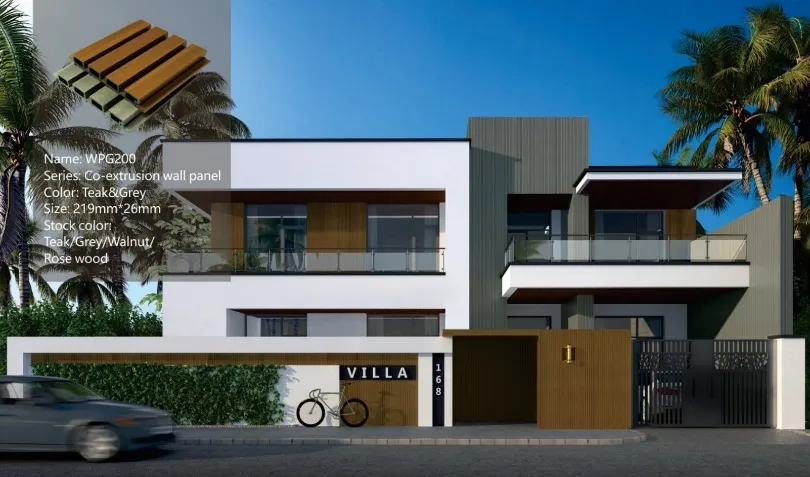
Coastal projects aren't just about exteriors—interior spaces need to handle humidity too. Our WPC wall panel solutions work indoors and out, making us a one-stop shop for interior decoration materials and exterior decoration materials . Imagine using the same warm wood-grain paneling for your outdoor patio ceiling and your indoor living room accent wall—no need to switch suppliers or worry about material compatibility. We offer over 20 finishes, from modern grays to classic teaks, so you can match any design vision, whether it's a minimalist beach house or a tropical resort.
Still on the fence? Let's break it down. We've compared our WPC panels to three common coastal materials—wood, vinyl, and concrete—so you can see why more contractors and architects are making the switch:
| Feature | Wood (Treated) | Vinyl Siding | Concrete Panels | Our WPC Wall Panels |
|---|---|---|---|---|
| Saltwater Resistance | Poor (rots in 5-7 years) | Fair (prone to cracking) | Good (but spalls over time) | Excellent (no rot, no corrosion) |
| UV Resistance | Poor (fades, grayes quickly) | Fair (fades in 3-5 years) | Good (but stains easily) | Excellent (color-locked for 15+ years) |
| Installation Time | Slow (requires sealing, cutting) | Medium (snaps together but brittle) | Slow (heavy, needs machinery) | Fast (lightweight, interlocking design) |
| Maintenance Cost | High (seal every 1-2 years) | Medium (repaint every 5-7 years) | Medium (repair spalls, clean stains) | Low (hose down occasionally) |
| Environmental Impact | Harmful (chemical treatments leach) | Plastic (non-biodegradable) | High carbon footprint (production) | Eco-friendly (recycled materials, low VOC) |
| Expected Lifespan | 5-10 years | 10-15 years | 20-25 years | 25-30+ years |
Numbers and specs tell part of the story, but nothing beats hearing from clients who've lived with our panels. Take the case of a beachfront villa in Jeddah, Saudi Arabia. The owner, a retired architect, had tried wood panels twice before—both times, they rotted within 4 years. Frustrated, he turned to us for WPC wall panel solutions . Three years later, the panels still look brand new. "I was skeptical at first," he told us, "but now I recommend them to everyone. No more repainting, no more replacing boards—just enjoying the view."
Then there's the boutique hotel in a coastal town in the Mediterranean. The design called for a "rustic beach" aesthetic, but the contractor was worried about using real wood in the humid, salt-laden air. We supplied WPC panels in a weathered oak finish for the exterior façade and lobby walls. Today, guests rave about the "authentic wooden vibe," and the hotel manager reports zero maintenance issues. "We saved over 30% on installation costs compared to real wood," she said, "and we haven't spent a dime on repairs in two years."
At the end of the day, choosing a supplier is about more than the product—it's about partnership. As a one-stop architectural solution provider , we don't just sell you panels and wave goodbye. We work with you from start to finish: helping you select the right panel thickness for your climate, providing CAD drawings for precise installation, and even offering on-site training for your team. We understand that coastal projects have tight deadlines and unique challenges, so we keep stock in regional warehouses (including Saudi Arabia) to ensure fast delivery. And if you ever have a question or need support, our team of coastal construction experts is just a call away.
We also believe in sustainability. Our WPC panels are made with 60% recycled wood fibers and plastic, and our manufacturing process uses minimal water and energy. For coastal communities that care about protecting marine life and reducing their carbon footprint, that's a big plus. You can build a beautiful space without harming the environment that makes it special.
Coastal construction doesn't have to be a cycle of repair and replacement. With the right WPC wall panel supplier and WPC wall panel solutions , you can build a space that's as durable as it is beautiful—one that stands up to saltwater, humidity, and time, so you can focus on enjoying the coast, not fighting it.
Whether you're an architect designing a luxury resort, a contractor bidding on a coastal development, or a homeowner finally building your dream beach house, we're here to help. Let's turn your vision into reality—one saltwater-resistant panel at a time.
Recommend Products











