

In today's fast-paced world of interior and exterior decoration, choosing the right building materials can feel like navigating a maze—especially when it comes to wall panels. Among the most sought-after options, WPC (Wood-Plastic Composite) wall panels have risen to prominence, thanks to their blend of durability, aesthetics, and sustainability. But with so many suppliers claiming to offer the "best" solutions, it's no wonder homeowners, contractors, and architects alike have questions. To help demystify the process, we've compiled this comprehensive FAQ, drawing on insights from seasoned industry experts. Whether you're a first-time buyer or a seasoned professional looking to switch suppliers, read on to get clarity on everything from material basics to supplier selection, customization, and beyond.
Let's start with the basics: WPC stands for Wood-Plastic Composite. These panels are crafted by blending wood fibers (often recycled sawdust or wood chips) with thermoplastics (like polyethylene or polypropylene) and a mix of additives—think UV stabilizers, colorants, and flame retardants. The result? A material that marries the best of wood and plastic: the natural look and texture of wood, with the moisture resistance and durability of plastic.
But how do they stack up against traditional options? Let's break it down. Compared to solid wood panels, WPC eliminates the headaches of warping, rotting, or termite damage—common issues in humid climates like Saudi Arabia. Unlike PVC panels, which can feel overly synthetic, WPC offers a warmer, more organic aesthetic, with deeper wood grain patterns that mimic real timber. And when pitted against materials like MCM (Metal Composite Material) flexible cladding, WPC tends to be lighter and easier to install, making it a favorite for DIY enthusiasts and contractors alike. It's no wonder leading interior decoration materials suppliers now list WPC as a staple in their catalogs.
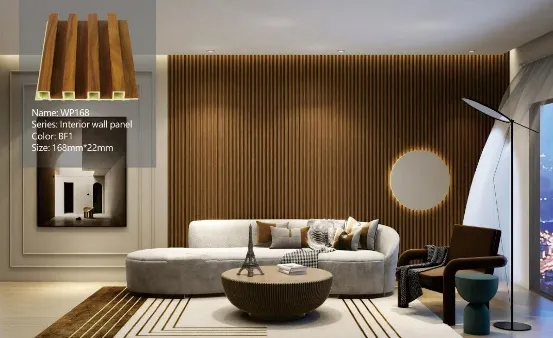
WPC wall panels have earned their popularity for a reason—they're a jack-of-all-trades in the world of walls solutions . Here's why experts recommend them:
Durability That Lasts: Unlike paint or wallpaper, which peel or fade in 3–5 years, WPC panels can stand strong for 15–25 years with minimal upkeep. They resist scratches, dents, and impacts, making them ideal for high-traffic areas like office lobbies, hotel corridors, or family homes with kids and pets.
Moisture Resistance: This is a game-changer. WPC panels repel water, so they won't warp in bathrooms, kitchens, or basements. A residential building materials supplier in Jeddah recently shared a project where WPC panels in a beachfront villa withstood years of salt air and humidity without a single sign of damage.
Low Maintenance: Say goodbye to sanding, staining, or sealing. A quick wipe with mild soap and water is all it takes to keep WPC panels looking fresh. No special cleaners, no tedious upkeep—perfect for busy homeowners or commercial spaces with tight schedules.
Eco-Friendly Credentials: Many WPC panels use recycled materials, reducing reliance on virgin wood and plastic. Plus, they're often free of formaldehyde and harmful VOCs, aligning with green building standards for hospitals, schools, and eco-conscious developments.
Design Versatility: Whether you're going for a modern minimalist look, rustic charm, or industrial edge, WPC delivers. Suppliers offer panels in hundreds of colors, from soft neutrals to bold hues, and textures that mimic oak, teak, stone, or even concrete. Some even offer custom embossing for one-of-a-kind designs.
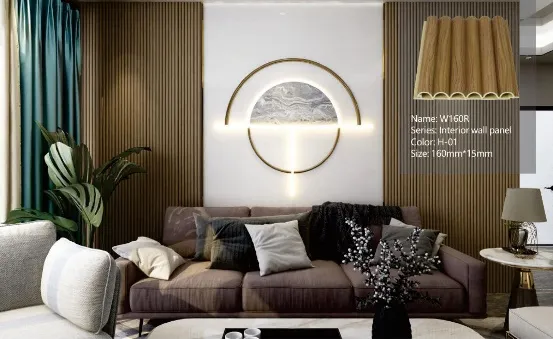
Choosing a supplier is more than just comparing prices—it's about trust. After all, the quality of your WPC panels can make or break your project. Here's what experts advise keeping an eye on:
Certifications Speak Volumes: Reputable suppliers will have certifications to back their claims. Look for ISO 9001 (quality management), ISO 14001 (environmental management), and fire safety ratings (like Class B or Class A, depending on your project's needs). For instance, if you're working on a hospital or school, a Class A fireproof CPL inorganic board might be required, but for most residential projects, WPC with a Class B rating is sufficient.
Transparency in Manufacturing: A trustworthy supplier won't hesitate to walk you through their production process. Ask about the ratio of wood to plastic in their panels—ideally, it should be around 50:50 for optimal strength and flexibility. Request details on additives, too: UV stabilizers are a must for panels exposed to sunlight, while anti-microbial additives are key for healthcare settings.
Sample Availability: Never commit to a bulk order without testing samples first. A good supplier will send free or low-cost samples so you can check for texture, color accuracy, and thickness. Rub the panel with a damp cloth to test water resistance, or scratch it gently with a key to gauge durability.
Track Record and Reviews: Look for suppliers with a proven history in both residential and commercial building materials . Check online reviews, ask for references, and even visit completed projects if possible. A supplier who's worked on hotels, offices, or large residential complexes is more likely to handle your project's unique demands.
After-Sales Support: What happens if a panel arrives damaged, or you need help with installation? A reliable supplier offers clear warranty terms (typically 5–10 years), responsive customer service, and even technical support for contractors. Avoid suppliers who ghost you after the sale—your project deserves better.
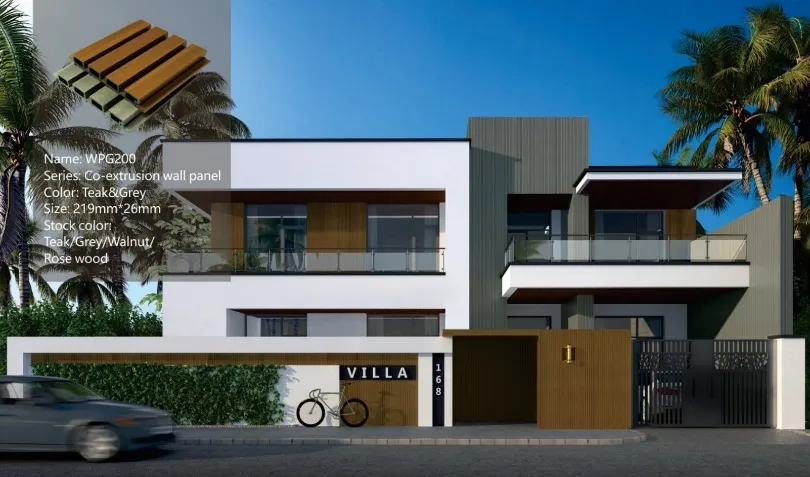
Absolutely—customization is where WPC truly shines, especially for clients seeking whole-house customization solutions . Today's top suppliers understand that one-size-fits-all rarely works, so they offer a range of options to tailor panels to your project's unique vibe.
Colors and Textures: From warm oak and walnut tones to sleek grays and bold blues, the color palette is nearly endless. Textures, too, are diverse: you can opt for smooth, matte finishes, deep wood grains, or even stone-like textures that mimic cloud stone or terrazzo tile . Some suppliers even offer dual-color panels, with a different hue on each side for design flexibility.
Sizes and Thicknesses: Standard panel widths range from 150mm to 300mm, but most suppliers will cut to size for an extra fee. Thicknesses typically start at 8mm (for low-traffic areas like bedrooms) and go up to 20mm (for high-impact spaces like gyms or retail stores). Lengths are often customizable, too—great for creating seamless, joint-free walls in large rooms.
Edge Profiles and Finishes: Want a clean, modern look? Go for square edges. Prefer something softer? Bullnose or beveled edges are popular choices. Some suppliers even offer embossed patterns, like herringbone or chevron, for a statement wall. And for a truly unique touch, ask about custom printing—yes, you can now get WPC panels with digital prints of artwork, landscapes, or brand logos.
Specialty Features: Need panels that glow in the dark for a kids' room? Or sound-absorbing panels for a home theater? Many suppliers now offer add-ons like acoustic backing, LED light strips, or anti-slip coatings. Just be sure to discuss lead times—custom orders can take 2–4 weeks longer than standard panels.
With so many wall panel options on the market, it's helpful to see how WPC stacks up against alternatives. To simplify, we've put together a comparison table based on feedback from walls supplier experts:
| Material | Composition | Best For | Key Advantages | Potential Drawbacks | Cost Range (per sqm)* |
|---|---|---|---|---|---|
| WPC Wall Panels | Wood fibers + plastic + additives | Residential interiors, commercial lobbies, moisture-prone areas (kitchens, bathrooms) | Moisture-resistant, low maintenance, natural wood look, lightweight | Less rigid than stone; may fade in direct sunlight without UV treatment | $25–$50 |
| MCM Flexible Cladding | Aluminum core + mineral composite | Exterior facades, high-rise buildings, modern commercial projects | Ultra-durable, fire-resistant, weatherproof, highly customizable | Heavy; requires professional installation; higher cost | $80–$150 |
| Bamboo Charcoal Board | Bamboo fibers + charcoal powder + resin | Bedrooms, living rooms, eco-friendly homes | Natural odor absorption, anti-microbial, sustainable | Less moisture-resistant; prone to scratches; limited color options | $35–$60 |
| PVC Wall Panels | Polyvinyl chloride | Budget projects, temporary structures, high-moisture areas | Low cost, 100% waterproof, easy to clean | Synthetic look; can warp in extreme heat; not eco-friendly | $15–$30 |
*Costs vary by supplier, thickness, and customization. Prices in USD, based on 2025 market data.
As the table shows, WPC hits the sweet spot for most interior projects, offering a balance of affordability, durability, and style. For exterior or high-rise applications, MCM cladding might be the better choice, while bamboo charcoal boards appeal to eco-conscious buyers willing to trade some moisture resistance for natural benefits.
Let's tackle two critical concerns: moisture and fire. First, moisture. Thanks to their plastic component, WPC panels are inherently resistant to water—far more so than solid wood or even bamboo charcoal boards. They won't absorb moisture, swell, or grow mold, making them a top pick for bathrooms, kitchens, laundry rooms, and basements. In fact, many commercial building materials supplier s recommend WPC for restaurants and hotels, where spills and humidity are part of daily life.
That said, not all WPC panels are created equal. Look for suppliers who add extra moisture-resistant additives or seal the edges of panels to prevent water from seeping into the core. For extra peace of mind, pair WPC with a waterproof underlayment in extremely wet areas like shower surrounds.
Now, fire safety. WPC panels are not completely fireproof, but they are flame-retardant—meaning they'll resist ignition and slow the spread of fire. Most panels achieve a Class B fire rating (suitable for most residential and commercial spaces), while some high-grade options can reach Class A when treated with special additives. If you're working on a project with strict fire codes—like a hospital or school—ask your supplier about Class A fireproof CPL inorganic board as a complementary option for high-risk areas, though WPC alone may suffice for non-critical zones.
One of the biggest perks of WPC is its versatility when it comes to installation. For small, straightforward projects—like a home accent wall—DIY is absolutely feasible, even for beginners. Most WPC panels feature a tongue-and-groove system, which snaps together like puzzle pieces, eliminating the need for messy adhesives. You'll need basic tools: a measuring tape, saw (circular or handsaw), level, and screws or nails for securing panels to the wall.
That said, preparation is key. Start by ensuring your wall is clean, dry, and level—any bumps or cracks will show through the panels. If the wall is uneven, you may need to install furring strips first to create a flat surface. For bathrooms, don't skip the waterproofing step, even with moisture-resistant WPC.
For larger projects—think a whole-house renovation or a commercial space with complex designs—it's wise to hire a professional. Contractors have the experience to handle tricky corners, cutouts for outlets, and seamless transitions between panels and other materials like porcelain slab tile for walls or flooring solutions . They'll also ensure the installation meets local building codes, which is crucial for commercial projects.
Pro tip: Ask your supplier for installation guides or video tutorials. Many offer free resources to help DIYers and contractors alike get the job done right.
Sustainability is no longer a buzzword—it's a priority for builders and homeowners alike. So, where do WPC panels stand? The short answer: they're a greener choice than many traditional materials, but their eco-credentials depend on the supplier.
Let's start with the positives. Most WPC panels use recycled wood fibers and plastic, diverting waste from landfills. For example, a single 4×8 ft WPC panel can contain up to 20 recycled plastic bottles and 10 pounds of sawdust that would otherwise end up in a dump. Many suppliers also use bio-based plastics or plant-derived additives, further reducing their carbon footprint.
WPC is also energy-efficient to produce compared to materials like ceramic tiles or natural stone, which require high-temperature firing or mining. And since WPC panels last 15–25 years, they reduce the need for frequent replacements—a key factor in sustainable building.
That said, not all WPC is created equal. Avoid suppliers who use non-recycled plastics or toxic additives, as these can negate the environmental benefits. Look for panels labeled "VOC-free" (no volatile organic compounds) and check if the supplier participates in recycling programs for old panels at the end of their lifespan.
For the eco-conscious buyer, WPC offers a happy medium: the look of wood without contributing to deforestation, and the durability of plastic without the guilt of single-use waste. As one expert put it, "It's not perfect, but it's a step in the right direction—especially when paired with other sustainable choices like bamboo charcoal board or energy-efficient windows & doors ."
If you're tired of high-maintenance materials that demand constant attention, WPC will feel like a breath of fresh air. These panels are designed for busy lifestyles, with upkeep that's refreshingly simple.
Daily Cleaning: A quick wipe with a damp microfiber cloth is usually all it takes to remove dust, fingerprints, or minor spills. For tougher grime—like kitchen grease or mud—mix a few drops of mild dish soap with warm water, and gently scrub the area with a soft sponge. Avoid abrasive cleaners or scouring pads, as these can scratch the surface.
Stain Removal: Accidents happen—red wine, coffee, or marker stains are no match for WPC. Blot spills immediately with a dry cloth to prevent them from setting, then clean with soapy water. For stubborn stains, a mixture of baking soda and water (applied with a soft brush) should do the trick. Just avoid bleach or ammonia-based cleaners, which can fade colors.
Long-Term Care: Every 6–12 months, give your panels a deeper clean with a pH-neutral cleaner to remove built-up dirt. If your panels are in a sunny area, check for fading—most suppliers add UV stabilizers, but prolonged exposure can still take a toll. If fading occurs, some suppliers offer touch-up kits or color-restoring treatments.
Handling Damage: While WPC is scratch-resistant, it's not indestructible. A deep scratch can sometimes be repaired with wood filler (choose a color-matched option) or sanded lightly with fine-grit sandpaper. For chipped edges, contact your supplier—many offer replacement panels for small areas, so you don't have to redo the entire wall.
At the end of the day, WPC wall panels offer a rare combination of beauty, durability, and practicality that's hard to beat. Whether you're renovating a home, designing a hotel lobby, or building a commercial space, they check all the boxes: low maintenance, customizable, eco-friendly, and budget-conscious.
When starting your supplier search, remember: the best supplier isn't just the cheapest—it's the one that aligns with your project's needs, values, and timeline. Ask questions, request samples, and don't settle for vague promises. With the right supplier and panels, your walls won't just be surfaces—they'll be statements.
Ready to take the next step? Reach out to a few WPC wall panel suppliers today, armed with the insights from this FAQ. Your dream space is closer than you think.
Recommend Products











