

Walk into any modern home, office, or restaurant today, and you'll likely notice something different about the walls. Gone are the days of plain painted drywall or generic wallpaper—today's interior spaces are defined by texture, durability, and purpose. Wall panels have become the unsung heroes of interior design, transforming blank canvases into stories. And among the many materials available, one stands out for its ability to blend nature, technology, and practicality: Wood-Plastic Composite (WPC) wall panels. But to truly understand their impact, we need to start with the people behind them: the wpc wall panel supplier . These aren't just vendors—they're problem-solvers, collaborators, and innovators who turn raw materials into wpc wall panel solutions that shape how we live and work. Let's unpack everything you need to know about WPC panels, from their science to their real-world applications, and why choosing the right supplier matters.
Interior decoration has come a long way from being a "nice-to-have" to a "must-have" in our spaces. Today, it's about more than just making a room look pretty—it's about creating environments that are functional, sustainable, and reflective of our values. Interior decoration materials are the building blocks of this shift, and wall panels have emerged as a key player. They do more than cover walls; they insulate, protect, and even improve air quality. But with so many options—natural wood, stone, vinyl, and more—what makes WPC panels stand out?
Imagine this: You want to renovate your bathroom. You love the warmth of wood, but you know it'll warp in the humidity. Vinyl looks cheap, and stone is heavy and expensive. What if there was a material that gave you the look of wood, the durability of plastic, and the eco-credentials of recycled materials? That's exactly what WPC panels deliver. They're a hybrid material that solves the biggest pain points of traditional options, and they've become a staple for anyone serious about smart, long-lasting design.
But WPC panels don't just appear out of thin air. Behind every successful WPC installation is a wpc wall panel supplier who understands the balance between art and science. These suppliers don't just sell panels—they provide end-to-end solutions, from custom colors and textures to installation guidance. In a market flooded with generic products, they're the ones who ensure your project gets materials that fit your vision *and* your budget.

Let's start with the basics: What is a wpc wall panel supplier ? At first glance, you might think it's someone who buys WPC panels in bulk and resells them. But that's only part of the story. A true supplier is a partner who bridges the gap between manufacturers and customers, ensuring that the panels you get are exactly what you need. They're experts in the material, its capabilities, and its limitations, and they use that expertise to offer wpc wall panel solutions tailored to your project.
For example, say you're designing a coastal café. You want walls that look like driftwood but can handle salt air and occasional splashes. A generic supplier might hand you standard wood-grain panels and wish you luck. But a solutions-focused wpc wall panel supplier would ask questions: What's the moisture level in the space? Do you need fire resistance? What's your timeline? Then, they'd recommend a specific WPC formulation with added UV stabilizers (to prevent fading in sunlight) and a textured finish that mimics weathered wood. They might even connect you with installers who specialize in coastal applications. That's the difference between selling a product and delivering a solution.
Suppliers also play a critical role in quality control. They work directly with manufacturers to ensure panels meet industry standards—things like thickness consistency, color matching, and structural integrity. This matters because even a small defect in a panel can throw off an entire installation, costing time and money. A reputable supplier will test samples, check batch codes, and provide certifications (like ISO or CE) to back up their claims. In short, they take the guesswork out of buying WPC panels.

At their core, WPC panels are a marriage of two materials: wood and plastic. But it's not just a simple mix—it's a carefully engineered blend that leverages the best properties of both. Let's break down their composition, manufacturing process, and why those elements make them so effective.
WPC panels start with three main components: wood fibers, thermoplastics, and additives. Let's break them down:
Wood Fibers: These are typically recycled wood waste—sawdust, wood chips, or even agricultural byproducts like rice husks. Using recycled materials not only reduces waste but also gives the panels that natural wood look and feel. The fibers provide structural rigidity, so the panels don't bend or warp easily.
Thermoplastics: Think of these as the "glue" that holds everything together. Common plastics used include HDPE (high-density polyethylene), LDPE (low-density polyethylene), or PVC (polyvinyl chloride). These plastics are melted down during manufacturing, binding the wood fibers into a solid, durable sheet. Many suppliers use recycled plastic (like old milk jugs or detergent bottles), adding to WPC's eco-friendly credentials.
Additives: These are the secret sauce that makes WPC panels perform. Depending on the desired properties, a supplier might add:
Ever wondered how a pile of wood chips and plastic bottles becomes a sleek wall panel? Let's walk through the process step by step, as explained by a wpc wall panel supplier who's toured manufacturing facilities:
Step 1: Material Preparation – First, the wood fibers are dried to remove moisture (too much moisture can ruin the plastic bonding later). The plastics are cleaned and shredded into small pellets. Additives are measured out in precise quantities—even a tiny miscalculation can affect the panel's performance.
Step 2: Mixing – The wood fibers, plastic pellets, and additives are combined in a high-speed mixer. The friction from mixing heats the plastic, causing it to melt slightly. This creates a dough-like mixture that's ready for shaping.
Step 3: Extrusion – The mixture is fed into an extruder, a machine with a rotating screw that pushes the material through a die (a metal mold shaped like the final panel). As the material exits the die, it takes the die's shape—flat, grooved, or embossed with a texture (like wood grain).
Step 4: Cooling and Cutting – The newly formed panel is cooled with water or air to set its shape. Once solid, it's cut into standard lengths (usually 8-12 feet) or custom sizes requested by the supplier. Some panels then go through additional steps, like sanding or laminating, to enhance their finish.
The result? A panel that's strong, lightweight, and consistent in quality. Because the manufacturing process is controlled, suppliers can produce panels with uniform thickness, color, and texture—something that's hard to achieve with natural materials like solid wood.
Now that we know how they're made, let's talk about why WPC panels outperform many traditional materials. These properties are what make them a top choice for interior decoration materials :
Moisture Resistance: Unlike natural wood, WPC panels don't absorb water. The plastic in their composition creates a barrier that prevents swelling, rotting, or warping—even in humid spaces like bathrooms or kitchens. A supplier once shared a story of a client who installed WPC panels in a basement that flooded; after drying out, the panels looked as good as new. Try that with solid wood!
Durability: WPC panels are tough. They're resistant to scratches (great for homes with kids or pets), dents, and impacts. The plastic component gives them flexibility, so they can handle minor bumps without cracking. Many suppliers offer warranties of 10-15 years, which speaks to their longevity.
Low Maintenance: Forget sanding, staining, or sealing. WPC panels can be cleaned with a damp cloth and mild soap. They don't require painting or refinishing, which saves time and money over the years. This is a huge selling point for busy homeowners and commercial spaces like restaurants, where maintenance downtime is costly.
Eco-Friendliness: By using recycled wood and plastic, WPC panels reduce the need for logging and virgin plastic production. They're also recyclable at the end of their life, making them a sustainable choice for eco-conscious projects. Many suppliers highlight this in their marketing, as more customers prioritize green materials.

A wpc wall panel supplier doesn't stop at providing standard panels. They offer a range of solutions to meet diverse needs, from custom designs to specialized applications. Let's explore some of the most common solutions and how they add value.
One of the biggest advantages of working with a supplier is access to customization. Standard panels come in fixed sizes (like 4x8 feet) and colors, but what if your project needs something unique? A wpc wall panel supplier can work with manufacturers to create panels in custom dimensions, thicknesses, or finishes. For example:
A restaurant chain in Dubai, for instance, wanted wall panels that matched their brand's signature teal color. Their supplier sourced a custom colorant and produced a batch of panels that perfectly matched the brand guidelines. The result? A cohesive, on-brand dining experience across all locations.
WPC panels aren't one-size-fits-all. Different spaces have different needs, and suppliers offer panels engineered for specific applications:
Bathroom Solutions: Panels with added antimicrobial additives to prevent mold and mildew. These are often paired with water-resistant adhesives and sealants for full moisture protection.
Commercial High-Traffic Areas: Thicker panels (5mm or more) with reinforced cores to withstand bumps from carts, chairs, or foot traffic. Think hotel lobbies, office corridors, or retail stores.
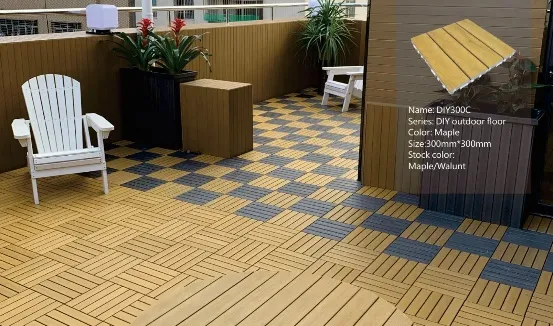
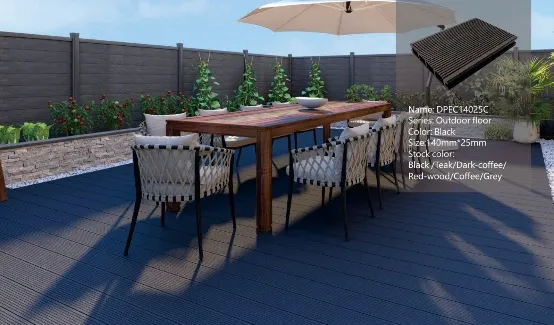
Outdoor Solutions: Panels with UV stabilizers and weather-resistant additives for use on patios, sunrooms, or exterior accent walls. These are often marketed alongside flooring solutions , as WPC is also popular for outdoor decks.
Suppliers can even bundle panels with complementary products, like trim pieces, corner guards, or installation tools, to create a "kit" that simplifies the process for contractors. This saves customers from having to source multiple materials from different vendors.
To truly appreciate WPC panels, it helps to see how they stack up against other popular interior decoration materials . Let's compare them to three alternatives: natural wood, bamboo charcoal board, and PVC panels. We'll focus on factors that matter most to homeowners and designers, as shared by a wpc wall panel supplier who's helped clients choose materials for over a decade.
| Material | Cost (Per Square Foot) | Moisture Resistance | Maintenance Needs | Eco-Friendliness | Best For |
|---|---|---|---|---|---|
| WPC Wall Panels | $3–$8 (Mid-range) | Excellent (No swelling/warping) | Low (Wipe clean with soap and water) | High (Recycled materials, recyclable) | Bathrooms, kitchens, commercial spaces, eco-friendly projects |
| Natural Wood Panels | $8–$15 (High-end) | Poor (Requires sealing; swells in moisture) | High (Sand, stain, and seal every 1–2 years) | Medium (Depends on sourcing; may involve deforestation) | Luxury homes, accent walls, spaces with low moisture |
| Bamboo Charcoal Board Panels | $5–$10 (Mid-to-high range) | Moderate (Resists light moisture; avoid standing water) | Medium (Dust regularly; avoid harsh cleaners) | High (Sustainable bamboo sourcing) | Bedrooms, living rooms, spaces prioritizing natural materials |
| PVC Panels | $2–$5 (Budget-friendly) | Excellent (Waterproof) | Low (Wipe clean) | Low (Virgin plastic; not easily recyclable) | Temporary spaces, budget projects, high-moisture areas (but less eco-friendly) |
As the table shows, WPC panels hit a sweet spot: they're more affordable than natural wood, more eco-friendly than PVC, and more moisture-resistant than bamboo charcoal board. That's why they're a top recommendation from interior decoration materials experts for projects that need balance.
Real-Life Example: A family in Riyadh wanted to renovate their basement—a space prone to dampness—into a playroom for their kids. They considered natural wood (too risky for moisture), PVC (worried about chemicals), and WPC. Their wpc wall panel supplier recommended moisture-resistant panels with a soft, scratch-proof texture. Three years later, the panels still look new, even after spills, sticky fingers, and the occasional toy collision. "We didn't have to worry about sealing or refinishing," the homeowner said. "We just wipe them down, and they're good as new."
Not all suppliers are created equal. To ensure you get high-quality panels and reliable service, here are key factors to consider, based on insights from industry insiders:
1. Experience and Reputation – How long have they been in business? Look for suppliers with 5+ years of experience—they've weathered market changes and built relationships with trusted manufacturers. Check online reviews or ask for references from past clients (a good supplier will happily share them).
2. Range of Solutions – Do they offer more than just standard panels? Can they customize sizes, colors, or additives? A supplier with a broad range of wpc wall panel solutions is better equipped to handle unique projects.
3. Quality Certifications – Ask for certifications like ISO 9001 (quality management), CE (European safety standards), or GREENGUARD (low chemical emissions). These show the supplier prioritizes quality and safety.
4. Customer Support – Will they help with installation questions? Do they offer after-sales support if there's an issue? A supplier who provides technical guidance and stands behind their products is worth their weight in gold.
5. Sustainability Practices – If eco-friendliness matters to you, ask about their materials. Do they use recycled wood and plastic? Are their manufacturing partners committed to reducing waste? A sustainable supplier aligns with modern design values.
The wpc wall panel supplier community is constantly innovating, driven by demand for better performance, more design options, and greener materials. Here are trends to watch:
1. Enhanced Sustainability – Suppliers are experimenting with bio-based plastics (made from corn or sugarcane) to reduce reliance on fossil fuels. Some are even adding plant-based fibers (like hemp or flax) to further boost eco-credentials.
2. Smart Panels – Imagine panels with built-in LED lighting, wireless charging, or acoustic properties to reduce noise. Suppliers are partnering with tech companies to integrate these features into WPC designs.
3. Hyper-Realistic Finishes – Advances in printing technology mean panels can now mimic rare woods (like teak or walnut) or natural stone (like marble or granite) with stunning accuracy. This allows designers to achieve high-end looks at a fraction of the cost.
4. Fire-Retardant Solutions – With stricter building codes, suppliers are developing WPC panels with Class A fire ratings, making them suitable for hospitals, schools, and other high-safety spaces.
WPC wall panels are more than just a trend—they're a testament to how innovation in interior decoration materials can solve real problems. They offer the beauty of wood, the durability of plastic, and the sustainability of recycled materials, all wrapped into a single product. And at the heart of this innovation is the wpc wall panel supplier —the partner who turns technical specs into tangible solutions that transform spaces.
Whether you're renovating a bathroom, designing a restaurant, or building a commercial complex, understanding WPC panels and choosing the right supplier can make all the difference. It's not just about buying a product; it's about investing in a material that works for you, today and for years to come. So the next time you walk into a space with stunning walls, take a closer look—chances are, it's WPC, and behind it, a supplier who cared enough to get it right.
Recommend Products











