

The Middle East stands as a global hub of architectural innovation, where sprawling metropolises like Dubai, Riyadh, and Doha rise from the desert, blending tradition with cutting-edge design. Behind these iconic structures lies a critical component: reliable, high-quality building materials. For decades, one name has been synonymous with excellence in this space—a WPC wall panel supplier that has not only adapted to the region's unique challenges but has shaped the future of construction through its WPC wall panel solutions and a diverse range of architectural materials.
In a region where extreme temperatures, humidity, and rapid urbanization demand materials that are both durable and versatile, this supplier has built its reputation on understanding local needs. From residential complexes that prioritize comfort to commercial skyscrapers requiring sleek, low-maintenance exteriors, the company's portfolio spans every corner of the construction industry. Today, we dive into the expertise that has made it a trusted partner for developers, architects, and contractors across the Middle East.
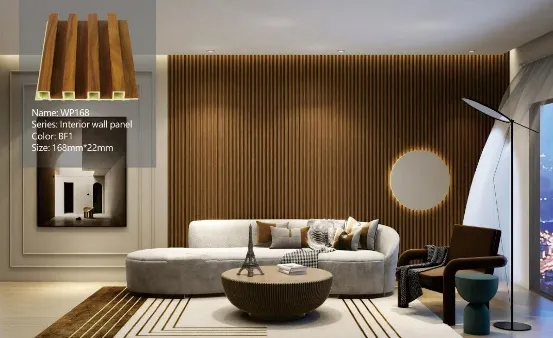
Before delving into the supplier's expertise, it's essential to understand why WPC wall panel solutions have become a staple in Middle Eastern construction. WPC, or Wood-Plastic Composite, is a revolutionary material crafted from a blend of recycled wood fibers and plastic polymers. This fusion results in a product that marries the natural aesthetic of wood with the resilience of plastic—two qualities that address the region's most pressing construction concerns.
In cities like Abu Dhabi, where summer temperatures soar above 45°C (113°F) and sandstorms are common, traditional wood panels warp, rot, or fade within years. PVC panels, while durable, often lack the warmth of natural materials. WPC, however, resists moisture, termites, and UV damage, making it ideal for both interior and exterior applications. Imagine a luxury villa in Jumeirah with WPC cladding that retains its rich wood grain finish even after years of exposure to the sun and sea breeze—that's the difference WPC brings.
But the benefits don't stop there. WPC is also eco-friendly, utilizing recycled materials to reduce environmental impact—a key priority as the Middle East embraces sustainable building practices. For developers aiming to achieve LEED or Estidama certifications, WPC panels offer a tangible way to meet green building standards without compromising on style or performance.
What truly distinguishes this WPC wall panel supplier is its depth of experience. With over 30 years in the industry, the company has witnessed the Middle East's construction boom firsthand. From the early days of Dubai's Palm Jumeirah to the recent surge in Riyadh's NEOM project, the team has adapted its offerings to align with evolving trends and regulations.
Local knowledge is at the heart of this expertise. The supplier's regional offices in Riyadh, Dubai, and Doha are staffed with engineers and consultants who understand the nuances of local building codes—whether it's Saudi Arabia's SASO standards or the UAE's stringent fire safety regulations. This on-the-ground presence ensures that clients receive not just materials, but tailored solutions. For example, when a hospital in Kuwait required fire-resistant wall panels, the supplier didn't just deliver generic products; it provided class A fireproof CPL inorganic board solutions specifically engineered to meet healthcare facility standards, ensuring compliance and safety.
Another cornerstone of the company's success is its commitment to innovation. In 2018, recognizing the growing demand for flexible, lightweight cladding, the supplier expanded its portfolio to include MCM flexible cladding stone wall panel solutions . MCM, or Metal Composite Material, offers the look of natural stone with the flexibility to curve around architectural features—perfect for the futuristic facades of Dubai's latest skyscrapers. By staying ahead of trends, the supplier ensures clients have access to the newest materials without sacrificing reliability.
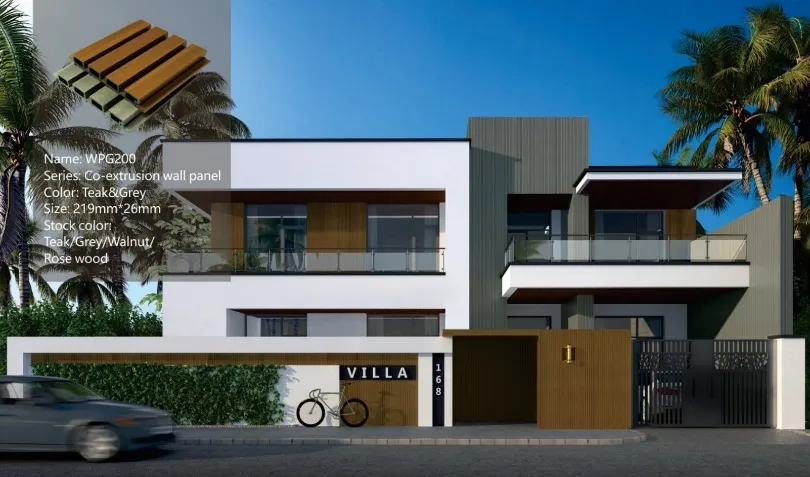
While WPC wall panel solutions are a flagship offering, the supplier's expertise extends far beyond. Recognizing that clients value convenience, the company has evolved into a one-stop architectural solution provider , offering a comprehensive range of materials to simplify project management. Let's explore some of the standout products that have made it a go-to partner:
In an era where indoor air quality is a growing concern, bamboo charcoal board wall panel solutions have emerged as a game-changer. These panels are infused with bamboo charcoal, a natural air purifier that absorbs moisture, odors, and harmful pollutants like formaldehyde. For residential projects in Bahrain or Qatar, where families spend significant time indoors during summer, these panels contribute to healthier living spaces. A recent project—a luxury apartment complex in Muscat—incorporated bamboo charcoal boards in bedrooms and living areas, with residents reporting improved air quality and reduced allergies.
As architects push the boundaries of design, rigid cladding materials often limit creativity. Enter MCM flexible cladding stone wall panel solutions . These panels are lightweight, bendable, and easy to install, making them ideal for curved facades, arches, and intricate designs. The supplier's MCM panels were recently used in a cultural center in Sharjah, where the building's wave-like exterior required a material that could follow its organic contours. The result? A structure that looks as if it's sculpted from stone, yet weighs a fraction of traditional masonry—reducing structural load and construction time.
For interiors that demand both luxury and durability, porcelain slab tile for wall solutions are unmatched. These large-format tiles (often 1200x2400mm or larger) create seamless, grout-free surfaces that mimic natural marble or granite. In high-traffic areas like hotel lobbies or shopping malls, they resist scratches, stains, and heat—ensuring a pristine appearance for decades. A five-star resort in Fujairah recently these tiles for its lobby walls, pairing them with backlighting to create a stunning, marble-like effect that has become a signature feature of the property.
The true measure of a supplier's expertise lies in its ability to solve real-world problems. Here are two case studies that highlight how the company's solutions have transformed projects across the Middle East:
The Challenge: A developer in Riyadh aimed to build a 50-unit residential complex that would meet Saudi Arabia's Vision 2030 sustainability goals. The project required exterior cladding that was eco-friendly, low-maintenance, and resistant to the city's hot, dry climate.
The Solution: The supplier recommended WPC wall panel solutions made from 80% recycled materials. The panels were treated with a UV-resistant coating to prevent fading and designed with a tongue-and-groove system for quick installation. For common areas, bamboo charcoal board wall panel solutions were used to improve indoor air quality.
The Outcome: The complex was completed three months ahead of schedule, thanks to the easy installation of WPC panels. Residents praised the panels' natural wood finish, and the developer reported a 30% reduction in maintenance costs compared to traditional cladding. The project earned a LEED Silver certification, solidifying its status as a model for sustainable housing in Riyadh.
The Challenge: A public hospital in Kuwait City needed to renovate its pediatric ward, requiring wall panels that were fireproof, antimicrobial, and easy to clean—critical for infection control in healthcare settings.
The Solution: The supplier provided class A fireproof CPL inorganic board solutions , which are non-combustible and meet the highest fire safety standards. The boards were also treated with an antimicrobial coating to inhibit the growth of bacteria like E. coli and MRSA. For added warmth, porcelain slab tile for wall solutions in soft, child-friendly colors were used in waiting areas.
The Outcome: The renovated ward received praise from both staff and parents. The fireproof panels ensured compliance with Kuwait's strict healthcare regulations, while the antimicrobial properties reduced the risk of hospital-acquired infections. The porcelain tiles, with their smooth, stain-resistant surface, simplified cleaning, allowing nurses to focus on patient care rather than maintenance.
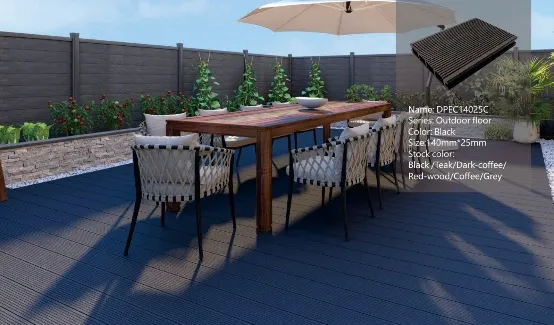
To understand why WPC wall panel solutions have become the preferred choice for Middle Eastern construction, it's helpful to compare them with traditional materials. The table below highlights key differences:
| Material | Durability | Maintenance | Sustainability | Cost-Effectiveness (Lifespan) | Best For |
|---|---|---|---|---|---|
| WPC Wall Panels | Resists moisture, UV, termites; 20-30 year lifespan | Low; occasional cleaning with soap and water | High; made from recycled materials | High; initial cost higher than wood, but lower long-term maintenance | Exteriors, high-humidity areas, sustainable projects |
| Traditional Wood | Prone to warping, rot, and pests; 5-10 year lifespan in harsh climates | High; requires regular painting, sealing, and repairs | Low; requires deforestation | Low; low initial cost, but high replacement/repair costs | Low-moisture, low-traffic interiors |
| PVC Panels | Resistant to moisture but fades in UV light; 10-15 year lifespan | Medium; prone to scratching, may require replacement | Low; non-biodegradable, limited recycled content | Medium; low initial cost, moderate lifespan | Budget interiors, temporary structures |
| Natural Stone | Extremely durable; 50+ year lifespan | High; requires sealing, susceptible to staining | Low; high carbon footprint from extraction/transport | Low; very high initial cost and maintenance | High-end exteriors, heritage projects |
The table makes clear: WPC strikes the perfect balance between durability, sustainability, and cost—qualities that resonate in a region where construction projects demand long-term value.
As the Middle East shifts toward sustainable development, the supplier has positioned itself as a leader in eco-friendly construction materials. Beyond WPC wall panel solutions made from recycled materials, the company's bamboo charcoal board wall panel solutions further exemplify this commitment. Bamboo is one of the fastest-growing plants on Earth, requiring no pesticides and absorbing more carbon dioxide than hardwood trees. When combined with charcoal's air-purifying properties, these panels contribute to healthier indoor environments while reducing reliance on non-renewable resources.
The supplier also prioritizes energy-efficient manufacturing processes, using solar power at its production facilities in the UAE and Saudi Arabia. By minimizing waste and optimizing logistics, it has reduced its carbon footprint by 25% over the past five years—a milestone recognized by the Gulf Green Building Council.
The Middle East's construction industry shows no signs of slowing down, and neither does this supplier. With upcoming projects like NEOM's futuristic city and Qatar's post-World Cup infrastructure developments, the demand for innovative materials is higher than ever. The company is already investing in research and development to meet these needs, with two exciting innovations on the horizon:
These innovations reflect the supplier's philosophy: to not just keep up with the industry, but to lead it.
In a region defined by ambition and innovation, the role of a building material supplier extends far beyond delivering products. It requires deep local knowledge, a commitment to quality, and a passion for solving problems. For decades, this WPC wall panel supplier has embodied these principles, earning the trust of clients across the Middle East through its WPC wall panel solutions , bamboo charcoal board wall panel solutions , and a diverse range of architectural materials.
As the Middle East continues to build the cities of tomorrow, one thing is clear: this supplier will be right there, turning visionary designs into reality—one panel, one project, one partnership at a time.
Recommend Products











