

In the world of construction and interior design, every decision carries weight—especially when it comes to materials. Whether you're overseeing a residential renovation or managing a large-scale commercial build, the materials you choose shape not just the look of the space, but its durability, maintenance needs, and long-term costs. Lately, one material has been making waves for its ability to balance aesthetics, functionality, and affordability: WPC wall panels. But here's the thing—even the best material falls flat without a reliable supplier. A trusted WPC wall panel supplier doesn't just deliver products; they deliver peace of mind, consistency, and solutions tailored to your project's unique needs. Let's dive into why partnering with the right supplier matters, and how WPC wall panels are redefining cost-effective building for long-term projects.
First, let's get clear on what we're talking about. WPC stands for Wood-Plastic Composite, a blend of natural wood fibers, recycled plastic, and additives that create a material stronger and more versatile than traditional wood or vinyl. Imagine the warmth of wood grain paired with the resilience of plastic—that's WPC. These panels come in sheets or planks, ready to be installed on walls, ceilings, or even furniture, and they're designed to mimic everything from oak and teak to modern solid colors. But what really sets them apart is their ability to handle the chaos of real life: moisture in bathrooms, humidity in kitchens, scuffs in high-traffic offices, and even the occasional kid with a crayon at home.
For anyone tired of dealing with warped wooden panels, peeling paint, or mold-prone drywall, WPC feels like a revelation. And as interior decoration materials continue to evolve, WPC has quickly become a go-to for both residential and commercial projects. But here's the catch: not all WPC panels are created equal. The difference between a panel that lasts 5 years and one that stays pristine for 20? It often comes down to the supplier.

Think of a supplier as your project's silent partner. They're not just dropping off boxes—they're ensuring those boxes contain panels that meet your specs, arrive on time, and perform as promised. A reputable WPC wall panel supplier does the legwork so you don't have to: they source high-quality raw materials, test panels for durability, and stand behind their products if issues arise. Let's break down the key benefits of partnering with a top-tier supplier:
Nothing derails a project faster than inconsistent materials. Imagine ordering 500 panels for a commercial lobby, only to find half have a slightly different wood grain pattern or color. Suddenly, your "uniform" design looks patchy, and you're stuck scrambling to fix the mismatch. A reliable supplier avoids this by maintaining strict quality control. They batch-test panels, ensure color and texture uniformity, and even provide samples upfront so you can approve the final look before full production. This level of consistency is especially critical for large-scale projects, where even small discrepancies become glaringly obvious.
Every project has its quirks. Maybe your residential client wants a custom wood grain that matches their antique furniture, or your commercial build requires panels thin enough to fit in a tight ceiling space. A one-size-fits-all supplier will say "no" or "that'll cost extra." But a great WPC wall panel supplier sees these challenges as opportunities. They offer customization—adjusting thickness, size, color, or texture to fit your design vision. For example, if you're working on a hotel renovation and need panels that resist both moisture and heavy cleaning chemicals, a supplier specializing in commercial building materials will tweak the formula to meet those demands. It's not just about selling a product; it's about solving your problem.
Let's talk money. A good supplier doesn't hide fees or surprise you with extra charges for delivery or customization. They provide clear, upfront pricing so you can budget accurately. More importantly, they help you save in the long run. By offering high-quality panels that resist damage and require minimal upkeep, they reduce the need for replacements or repairs down the line. It's the difference between paying $10 per square foot for a cheap panel that needs replacing in 3 years, versus $15 per square foot for a durable one that lasts 20. When you crunch the numbers, the "cheaper" option often ends up costing more. A trusted supplier helps you see that bigger picture.

Still on the fence about WPC? Let's put it head-to-head with common wall materials. The table below breaks down how WPC stacks up against solid wood, vinyl, and drywall in terms of initial cost, durability, maintenance, and eco-friendliness—key factors for any long-term project.
| Material | Initial Cost (Per Sq Ft) | Expected Lifespan | Annual Maintenance Cost | Eco-Friendliness | Best For |
|---|---|---|---|---|---|
| WPC Wall Panels | $12–$20 | 15–20 years | $5–$10 (soap and water cleaning) | High (uses recycled plastic/wood fibers) | Bathrooms, kitchens, offices, high-traffic areas |
| Solid Wood Panels | $18–$35 | 8–12 years (with regular maintenance) | $50–$100 (sanding, staining, sealing every 2–3 years) | Medium (depends on sourcing; may require deforestation) | Low-moisture, low-traffic spaces (e.g., bedrooms) |
| Vinyl Panels | $8–$15 | 5–8 years (prone to cracking/fading) | $10–$20 (occasional cleaning; may need patching) | Low (non-recyclable in many areas; releases toxins when burned) | Temporary projects or budget-only builds |
| Drywall + Paint | $5–$10 | 5–10 years (easily damaged, mold-prone) | $30–$60 (repainting every 3–5 years; repairs for holes/scratches) | Medium (gypsum is natural, but paint may contain VOCs) | Basic residential interiors (requires frequent upkeep) |
The numbers speak for themselves. WPC panels have a higher initial cost than vinyl or drywall, but their lifespan is more than double, and maintenance costs are a fraction of solid wood. For long-term projects—like a rental property you plan to own for decades, or a commercial building meant to serve clients for 15+ years—those savings add up fast. And when you factor in that WPC is often made with recycled materials, you're not just saving money; you're making a choice that's easier on the planet, too.

Let's get concrete. How do WPC panels perform in real projects? Let's look at two scenarios: a residential renovation and a commercial office build, both using panels from a trusted WPC wall panel supplier.
Meet Maria, a homeowner in Riyadh who wanted to update her 10-year-old bathroom. The original tiled walls were starting to grout mold, and the wooden vanity was warping from humidity. Her contractor suggested WPC panels, and she was skeptical at first—"Plastic wood?" she thought. But after seeing samples from a local residential building materials supplier, she was sold on the warm teak finish. The panels went up in a day (faster than tiling!), and five years later, they still look brand-new. No mold, no warping, no peeling. When her kids splash water during bath time, she just wipes it up with a cloth. "I used to dread cleaning the bathroom," she says. "Now it takes 5 minutes, and I don't worry about damaging the walls. Best renovation decision I ever made."
Now, consider a 3,000-square-foot café in Jeddah, bustling with customers from morning till night. The owner, Ahmed, needed walls that could handle coffee spills, kids leaning against them, and daily cleaning with harsh disinfectants. A commercial building materials supplier recommended WPC panels in a light oak finish to keep the space bright and welcoming. Two years in, the walls still have that "just opened" shine. When a barista accidentally knocked over a pitcher of iced coffee, a quick wipe with a damp cloth left zero stains. And because the panels don't absorb moisture, there's no risk of mold buildup in the humid coastal air. "We used to repaint the walls every 6 months," Ahmed says. "Now, we clean them weekly, and they look as good as day one. The savings on labor and paint alone paid for the panels in under a year."
So, you're convinced WPC is the way to go. Now, how do you pick a supplier? It's not just about the lowest price—cheap panels often cut corners on materials, leading to early cracking or fading. Here are the non-negotiables to check before signing on:
A reputable supplier will have certifications to back their claims. Look for ISO 9001 (quality management) and ISO 14001 (environmental management) certifications. For commercial projects, check if the panels meet fire safety standards (like Class A fire ratings) and are low-VOC (volatile organic compounds) to ensure indoor air quality. A supplier who can't produce these documents? Walk away.
Ask where they get their wood fibers and plastic. Are the plastics recycled? Is the wood sourced from sustainable forests? A supplier who's proud of their materials will happily share this info. Transparency here means they care about both quality and ethics—two things that matter for long-term projects.
Your project isn't generic, so your panels shouldn't be either. Can the supplier adjust panel thickness for a tight ceiling space? Match a specific color to your brand logo? Print a custom pattern for a feature wall? A supplier with in-house manufacturing capabilities is more likely to say "yes" to these requests, saving you time and headaches.
Even the best products can have issues. What happens if a panel arrives damaged, or you need help with installation? A good supplier offers responsive customer support, clear warranty policies (look for 10+ years), and maybe even technical guidance for your installer. Avoid suppliers who ghost you once the invoice is paid.
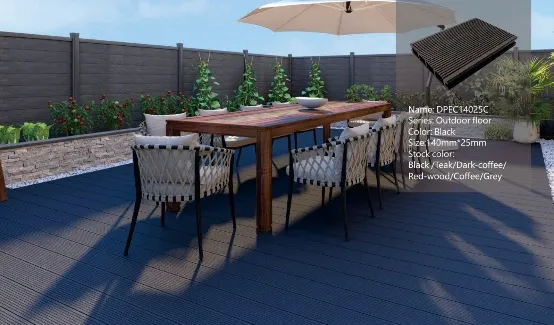
Here's another perk of partnering with a well-rounded supplier: many top WPC wall panel suppliers also offer other interior decoration materials, from flooring to ceiling solutions. Imagine getting your WPC wall panels, WPC flooring, and even matching ceiling panels from the same company. This not only streamlines your ordering process (fewer invoices, fewer delivery schedules to track) but also ensures color and texture consistency across your project. For example, a hotel chain might use WPC panels in guest room walls and matching WPC flooring in hallways, creating a cohesive brand look without the hassle of coordinating multiple suppliers.
And for larger projects, some suppliers go even further, acting as a one-stop architectural solution provider. They can help source everything from plumbing fixtures to lighting, ensuring all materials work together seamlessly. This kind of integration is a game-changer for project managers juggling tight deadlines and complex budgets—it reduces stress, minimizes delays, and keeps everyone on the same page.
At the end of the day, building or renovating is about investing in the future. You want materials that look good today and still look good a decade from now. You want to avoid the frustration of constant repairs or replacements. And you want to stay within budget without sacrificing quality. WPC wall panels check all these boxes—but only if you pair them with a supplier who understands your goals.
So, whether you're a homeowner updating your living room, a developer building a residential complex, or a business owner revamping a commercial space, don't underestimate the power of a reliable WPC wall panel supplier. They're not just selling panels—they're selling solutions that save you time, money, and stress for years to come. And in the world of construction, that's the kind of partnership that turns a good project into a great one.
Ready to explore WPC for your next project? Start by reaching out to a supplier who asks questions about your goals, shares samples, and is transparent about their process. Your future self (and your budget) will thank you.
Recommend Products











