

Exploring how wood-plastic composite panels are reshaping sustainable construction—one wall at a time
In a world where "sustainability" has moved from buzzword to necessity, the construction industry is undergoing a quiet revolution. Today's architects, developers, and homeowners aren't just building structures—they're crafting spaces that honor the planet, prioritize health, and stand the test of time. From net-zero energy homes to LEED-certified commercial towers, the focus is clear: materials matter. And in this era of conscious building, one material has emerged as a standout favorite for interior and exterior walls alike: WPC wall panels.
Short for wood-plastic composite, WPC isn't new, but its rise in green building projects has been nothing short of remarkable. Walk into a modern office, a boutique hotel, or a eco-friendly home, and chances are you're looking at WPC walls—smooth, stylish, and silently contributing to a lower carbon footprint. But what makes these panels so popular? Why are developers and wpc wall panel supplier partners seeing a surge in demand? Let's dive in.
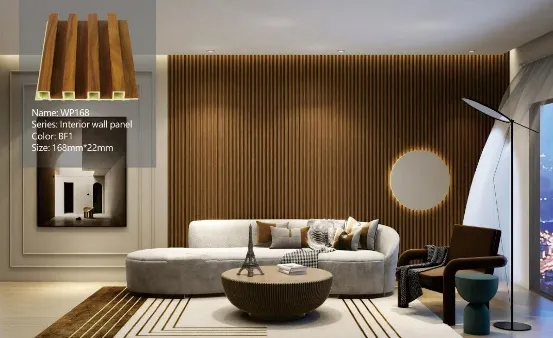
At first glance, WPC wall panels might look like high-end wood or stone. Run your hand over them, and you'll notice a subtle texture—warm like wood, but smoother, more consistent. That's the magic of wood-plastic composite: it blends the best of two worlds. WPC is typically made by combining recycled wood fibers (think sawdust, wood chips, or even agricultural waste) with recycled plastic (usually polyethylene or polypropylene) and a mix of additives (like UV stabilizers, colorants, and binders). The result? A material that's strong, versatile, and surprisingly eco-friendly.
Unlike traditional wood, which warps, rots, or attracts pests, WPC panels are engineered to resist the elements. Unlike pure plastic, they avoid the "fake" look and feel, instead mimicking natural materials with striking realism. And because they're made with recycled content, they check a big box for green building projects: reducing waste and minimizing reliance on virgin resources.
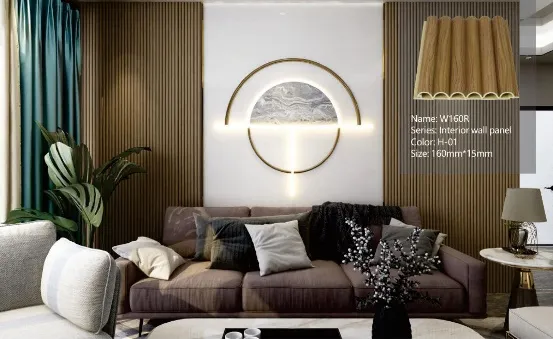
Green building isn't just about "being green"—it's about balancing sustainability with performance, cost, and aesthetics. WPC wall panels excel on all fronts. Here's why they're becoming the go-to choice for architects and developers committed to eco-friendly construction:
At the heart of green building is the principle of "reduce, reuse, recycle"—and WPC lives and breathes this mantra. Most WPC panels contain 50-70% recycled materials: wood fibers from sawmills that would otherwise end up in landfills, and plastic from post-consumer waste like bottles and packaging. By diverting these materials from landfills, WPC reduces the need for virgin wood (cutting down on deforestation) and virgin plastic (lowering reliance on fossil fuels).
But it doesn't stop there. WPC production also emits fewer greenhouse gases compared to traditional materials like solid wood or concrete. And because the panels are durable (we'll get to that next), they last longer—meaning less frequent replacement and less waste over time. For projects chasing LEED, BREEAM, or WELL certifications, this recycled content and low carbon footprint can earn valuable points.
Green buildings need to stand the test of time to truly be sustainable—and WPC panels are built to last. Thanks to their composite structure, they're naturally resistant to moisture, rot, mold, and pests (termites, we're looking at you). This makes them ideal for high-humidity areas like bathrooms, kitchens, or exterior cladding in rainy climates. Unlike wood, which requires regular staining or sealing, WPC panels hold up for decades with minimal upkeep.
Take, for example, a coastal home using WPC exterior walls. Saltwater, rain, and harsh UV rays would quickly degrade traditional wood, but WPC panels retain their color and integrity, even after years of exposure. This durability isn't just good for the environment—it's good for the bottom line, too. Fewer repairs and replacements mean lower lifecycle costs, a key factor for budget-conscious green projects.
Green living shouldn't mean endless upkeep. WPC wall panels are designed for busy homeowners and commercial spaces that want to look great without the hassle. Unlike natural stone, which needs sealing, or wood, which needs sanding and painting, WPC panels simply require an occasional wipe with soap and water. No special cleaners, no expensive treatments—just easy care that saves time and money.
Aesthetically, WPC is a chameleon. Modern wpc wall panel supplier partners offer a wide range of finishes, from rich oak and walnut wood grains to sleek marble or concrete looks. They can be cut, shaped, or curved to fit unique designs, making them perfect for both interior accent walls and exterior facades. Whether you're going for rustic charm or contemporary minimalism, WPC panels deliver the look without the environmental cost of natural materials.
Green building isn't just about the planet—it's about the people who use the space. Indoor air quality is a top priority for LEED and WELL certifications, and WPC panels shine here, too. Unlike some traditional materials (looking at you, particleboard with formaldehyde-based adhesives), WPC is low in volatile organic compounds (VOCs). VOCs are harmful chemicals that off-gas into the air, contributing to headaches, allergies, and long-term health risks. WPC panels, by contrast, are manufactured with non-toxic binders, making them a safer choice for schools, hospitals, and homes where air quality matters most.
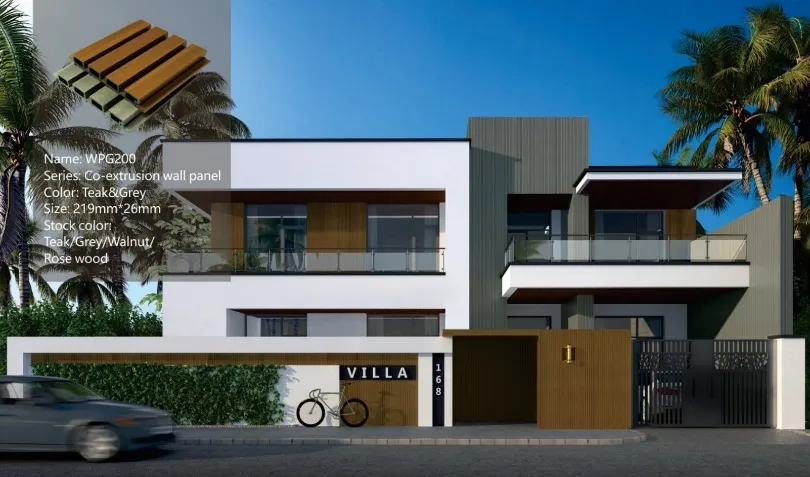
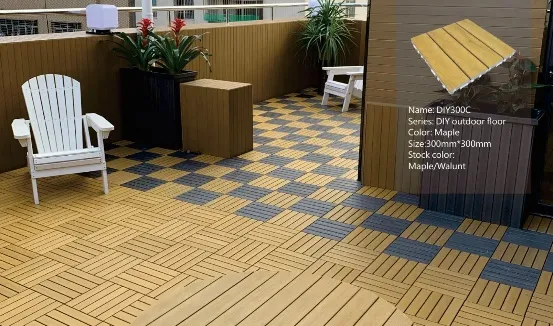
Whether you're building a residential home, a commercial office, or a public space like a community center, WPC wall panels adapt. They work equally well for interior decoration—think feature walls in living rooms or backsplashes in kitchens—and exterior applications, such as siding, fencing, or patio covers. Some wpc wall panel solutions even include fire-retardant options, making them suitable for high-safety areas like schools or hospitals (though always check with your supplier for specific certifications).
Still wondering if WPC is right for your project? Let's compare it to common wall materials used in construction. The table below breaks down key factors like sustainability, durability, and cost—so you can see why WPC is a green building standout:
| Material | Sustainability | Durability | Maintenance | Cost (Lifecycle) | Indoor Air Quality |
|---|---|---|---|---|---|
| WPC Wall Panels | High (50-70% recycled content; low VOCs) | Excellent (resists moisture, pests, rot) | Low (soap and water cleaning only) | Moderate upfront, low long-term (no replacements) | High (low VOC emissions) |
| Solid Wood | Variable (depends on FSC certification; high deforestation risk) | Poor (warps, rots, attracts pests) | High (staining, sealing, sanding) | High upfront and long-term (frequent repairs) | Moderate (may contain chemical treatments) |
| PVC Panels | Low (virgin plastic; non-biodegradable) | Good (moisture-resistant) | Low | Low upfront, high long-term (fades, cracks over time) | Low (may off-gas VOCs) |
| Gypsum Board (Drywall) | Low (minimal recycled content; high energy to produce) | Poor (easily damaged by moisture) | High (repairs needed for holes/scratches) | Low upfront, high long-term (replacement costs) | Moderate (may contain formaldehyde) |
As the table shows, WPC outperforms traditional materials in sustainability, durability, and long-term cost—making it a clear winner for green building projects.
In 2024, a leading wpc wall panel supplier partnered with a construction firm to build a LEED Gold-certified elementary school in Jeddah. The goal? Create a safe, sustainable learning environment that minimized environmental impact and reduced maintenance costs for the school district.
The solution: WPC wall panels for all interior classrooms and exterior cladding. Here's what made it a success:
Today, the school serves as a model for sustainable education spaces, proving that WPC wall panel solutions aren't just eco-friendly—they're practical, too.
Not all WPC panels are created equal. To ensure your green building project lives up to its sustainability goals, partner with a reputable wpc wall panel supplier that prioritizes quality and eco-responsibility. Here's what to ask:
As green building becomes the norm rather than the exception, materials like WPC wall panels will only grow in popularity. They bridge the gap between sustainability and performance, proving that eco-friendly choices don't require sacrificing durability, style, or cost-effectiveness. Whether you're building a home, an office, or a public space, WPC wall panel solutions offer a path to a greener, healthier, and more resilient future.
So, the next time you walk into a space with stunning, low-maintenance walls that feel good to be in, take a closer look—it might just be WPC. And behind it? A supplier and a team committed to building not just for today, but for generations to come.
Recommend Products











