

Walk into any home, office, or restaurant built 20 years ago, and chances are the walls tell a familiar story: plain drywall painted in safe neutrals, maybe a few tiles in high-moisture areas, but little else. Fast forward to today, and wall design has become a cornerstone of architectural expression—turning blank canvases into statements of style, functionality, and sustainability. At the heart of this transformation? Innovative materials that blend durability with beauty, and few have made as big a splash as WPC wall panels. As interior and exterior decoration materials evolve, WPC (Wood-Plastic Composite) wall panel solutions have emerged as a game-changer, offering a rare mix of versatility, resilience, and eco-friendliness that's redefining how we think about walls—both inside and out.
Gone are the days when walls were just structural necessities. Today, they're integral to a space's identity. A cozy café might use warm wood tones to invite customers; a modern office might opt for sleek, industrial textures to spark creativity; a coastal home might prioritize materials that stand up to salt and humidity. But for years, designers and homeowners faced a trade-off: choose something beautiful but fragile, or durable but dull. Then came WPC wall panels, and suddenly, that trade-off vanished.
Imagine a material that looks like natural wood but resists rot. That mimics stone but weighs half as much. That can be shaped into intricate patterns but installs in hours, not days. That's WPC in a nutshell. As a one-stop architectural solution provider, we've watched WPC transform projects from ordinary to extraordinary—whether it's a family home in Riyadh seeking a low-maintenance living room refresh or a commercial complex in Jeddah wanting to elevate its exterior facade without breaking the bank. Let's dive into why WPC wall panel solutions are becoming the go-to choice for interior and exterior decoration materials.
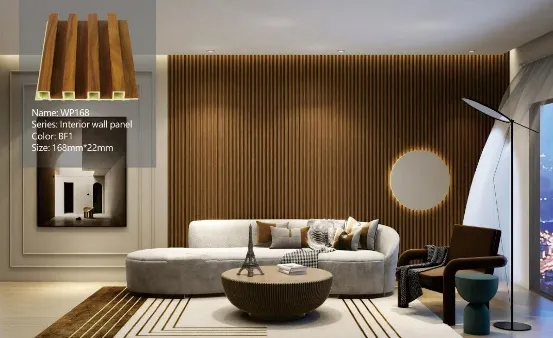
First things first: WPC stands for Wood-Plastic Composite, a blend of natural wood fibers (like sawdust or wood flour) and thermoplastics (such as polyethylene or polypropylene), often reinforced with additives for strength, UV resistance, and color. The result? A material that borrows the best from both worlds: the warm, organic look of wood and the rugged durability of plastic. Unlike solid wood, WPC panels don't warp, crack, or splinter when exposed to moisture. Unlike pure plastic, they don't feel cheap or artificial—instead, they offer the tactile appeal of natural materials with none of the upkeep.
But WPC isn't a one-size-fits-all product. Modern WPC wall panel solutions come in a dizzying array of styles, textures, and finishes. Want the rich grain of oak for your bedroom? There's a WPC panel for that. Craving the sleek, matte look of concrete for a restaurant accent wall? Done. Need something that looks like stone but won't weigh down your balcony? WPC has you covered. And because they're manufactured in controlled environments, each panel is consistent in color and texture—no more worrying about mismatched planks or uneven staining.
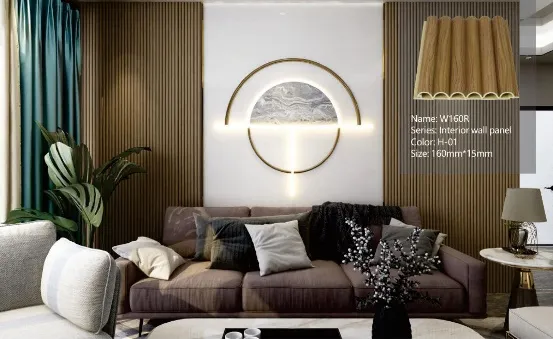
So, what makes WPC wall panel solutions a cut above other interior and exterior decoration materials? Let's break it down into the benefits that matter most to homeowners, designers, and builders alike.
One of the biggest pain points with traditional wall materials is their vulnerability to the elements. Wood rots in humid climates, drywall crumbles with moisture, and even stone can chip or fade under harsh sunlight. WPC panels, though? They're built to last. Thanks to their plastic component, they're inherently resistant to water, mold, and mildew—making them ideal for bathrooms, kitchens, basements, and even outdoor spaces like patios or pool areas. In coastal regions, where salt air eats away at traditional materials, WPC stands strong, maintaining its color and integrity for decades. And unlike paint or wallpaper, which peel or fade over time, WPC panels hold their finish, meaning your walls will look as good in 10 years as they did on day one.
Let's be honest: durability matters, but if a material looks cheap, no one will use it. WPC wall panels shine here, too. Manufacturers have gotten incredibly good at mimicking natural materials—so much so that even professionals sometimes struggle to tell WPC apart from real wood or stone. Whether you're going for a rustic cabin vibe, a minimalist modern look, or a tropical resort feel, there's a WPC panel to match. Want to add depth? Opt for 3D textured panels. Prefer a clean, seamless look? Go with large-format planks. And because they're available in a rainbow of colors—from classic whites and grays to bold blues and greens—you can let your creativity run wild without worrying about colorfastness. It's no wonder interior designers are using WPC to transform everything from accent walls in living rooms to entire restaurant lobbies.
In an era where "green" isn't just a trend but a responsibility, WPC wall panel solutions check the sustainability box, too. Most WPC panels are made using recycled wood fibers and plastic—keeping waste out of landfills and reducing the need for virgin materials. Unlike solid wood, which requires cutting down trees, WPC helps conserve forests, making it a favorite among eco-conscious homeowners and businesses. And because WPC is so durable, it needs less frequent replacement, further reducing its environmental footprint. Even better, many WPC panels are 100% recyclable at the end of their life, closing the loop on sustainability. For LEED-certified buildings or businesses aiming to reduce their carbon footprint, WPC is more than a material choice—it's a statement of values.
Let's talk about the elephant in the room: upkeep. No one wants to spend weekends sanding, staining, or repainting walls. WPC panels solve this problem with their "set it and forget it" nature. A quick wipe with a damp cloth is usually all it takes to keep them clean—no special cleaners, no harsh chemicals. Unlike wood, they don't need to be sealed or treated annually. Unlike tile, they don't have grout lines that collect dirt and mold. For busy families, rental properties, or commercial spaces like hotels and offices, this low maintenance is a game-changer. Imagine running a bed-and-breakfast: instead of spending hours scrubbing bathroom walls, you can focus on guest experience. That's the beauty of WPC— it works as hard as you do.
Now that we've covered the "why," let's dive into the "where." WPC wall panel solutions are incredibly versatile, but their impact on interior design might be the most exciting. Let's explore how they're transforming indoor spaces, one room at a time.
Your home is your sanctuary, and the walls should reflect that. WPC panels are helping homeowners create spaces that are both beautiful and functional. In living rooms, they're often used as accent walls, adding warmth and texture without overwhelming the space. Imagine a neutral-toned living room with a WPC feature wall in a rich walnut finish behind the TV—suddenly, the room has a focal point that's both inviting and modern. In bedrooms, WPC panels can create a cozy, cabin-like atmosphere, perfect for unwinding after a long day. And in bathrooms, where moisture is a constant battle, WPC panels are a revelation. Unlike drywall, which absorbs water and breeds mold, WPC stays dry and clean, making it ideal for shower surrounds, backsplashes, or even full wall coverage. Parents of young kids love WPC, too—its durability means it can stand up to sticky fingers, toy scratches, and the occasional art project gone wrong.
In commercial spaces, first impressions matter. WPC wall panels are helping businesses make a statement while keeping costs and maintenance low. Restaurants, for example, use WPC to create ambiance—think a casual bistro with warm wood-look panels or a trendy sushi bar with sleek, black stone-look WPC walls. Retail stores love WPC for its versatility: it can be shaped into custom displays, accent walls, or even ceiling treatments, helping brands tell their story visually. Offices are getting in on the action, too. Gone are the days of sterile, white-walled cubicles. Today's offices use WPC panels to create collaborative zones, private meeting areas, or branded accent walls that boost employee morale and impress clients. And because WPC is so easy to install and replace, businesses can refresh their look without shutting down for weeks—a huge plus for busy retail or restaurant owners.
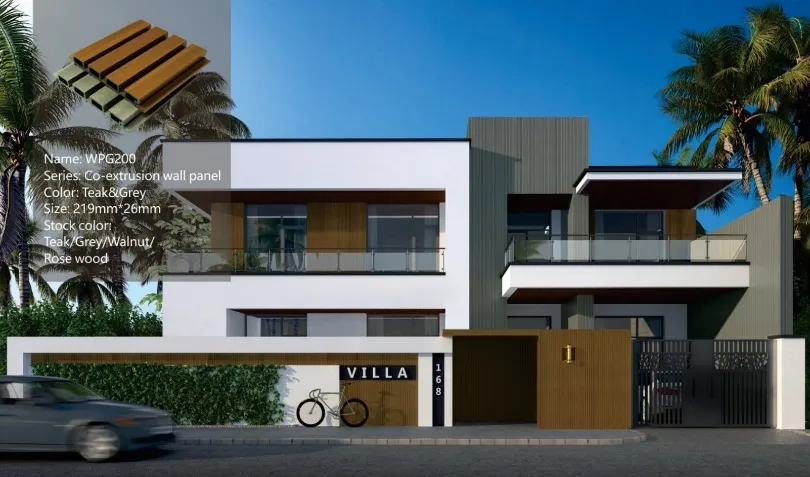
WPC wall panel solutions aren't just for indoor spaces—they're making waves outdoors, too. Exterior walls face the harshest conditions: rain, snow, UV rays, extreme temperatures, and even pests. Traditional materials like wood siding, brick, or stucco often struggle here, requiring frequent repairs or replacement. WPC panels, though, are built to thrive outdoors, offering a durable, attractive alternative for building exteriors, patios, decks, and more.
The exterior of a building is its first impression, and WPC panels are helping architects and developers create facades that stand out for all the right reasons. Unlike wood siding, which fades and warps, WPC maintains its color and shape, even in direct sunlight. Unlike brick, which is heavy and expensive to install, WPC is lightweight, making it easier and cheaper to transport and put up. And with a range of textures and finishes—from rustic wood to modern concrete—WPC panels can complement any architectural style, from traditional to contemporary. Imagine a row of townhouses with WPC facades in soft gray stone-look panels, accented with warm wood-look trim—suddenly, the entire street feels cohesive and inviting. In commercial settings, like shopping centers or office parks, WPC facades help brands stand out, creating a memorable look that draws customers in.
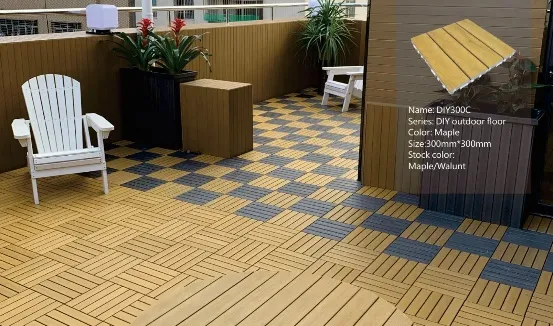
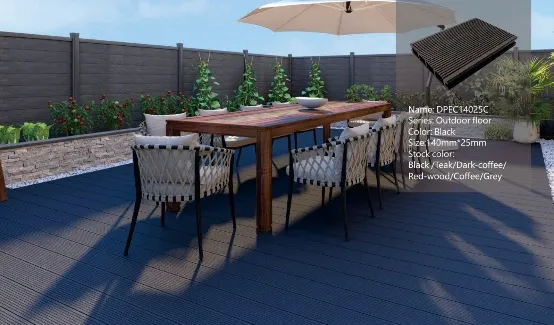
More and more homeowners are treating their outdoor spaces as extensions of their indoor living areas—and WPC panels are making that easier than ever. Patios, decks, and pool surrounds often suffer from moisture damage, but WPC panels are moisture-resistant, making them perfect for these areas. Imagine a backyard oasis with a WPC accent wall behind the outdoor kitchen, or a poolside cabana lined with WPC panels that stay cool to the touch even in the summer sun. Because WPC is resistant to mold and mildew, it's also ideal for covered porches or pergolas, where dampness can linger. And unlike natural stone, which can be slippery when wet, WPC panels often have textured surfaces that improve traction, making them safer for families with kids or pets.
With so many options on the market, why should you go with a one-stop architectural solution provider for your WPC wall panel needs? Simple: convenience, consistency, and expertise. A one-stop provider doesn't just sell you panels—they guide you through every step of the process, from design to installation to after-sales support. They understand how WPC panels work with other interior and exterior decoration materials, ensuring that your walls coordinate seamlessly with your flooring, ceilings, and fixtures. And because they offer a range of solutions—from WPC panels to flooring to sanitary fixtures—they can help you create a cohesive look without juggling multiple suppliers. For busy builders or homeowners, this means less stress, fewer delays, and a final result that exceeds expectations.
WPC isn't the only game in town when it comes to modern wall panels. Materials like MCM flexible cladding, bamboo charcoal board, and PU stone panels all have their merits. So how does WPC compare? Let's take a closer look:
| Material | Durability | Moisture Resistance | Installation Ease | Sustainability | Cost (Relative) |
|---|---|---|---|---|---|
| WPC Wall Panels | High (20-30 year lifespan) | Excellent (resistant to mold/mildew) | Easy (lightweight, interlocking systems) | High (recycled materials, low maintenance) | Moderate |
| MCM Flexible Cladding | High (weather-resistant) | Good | Moderate (requires professional installation) | Moderate (some recycled content) | High |
| Bamboo Charcoal Board | Moderate (prone to scratching) | Good (absorbs moisture) | Easy | High (sustainable bamboo source) | Moderate-High |
| PU Stone Panels | Moderate (can crack under impact) | Good | Easy (lightweight) | Low (synthetic materials) | Low-Moderate |
As the table shows, WPC strikes a balance that's hard to beat: high durability, excellent moisture resistance, easy installation, and strong sustainability credentials—all at a moderate cost. For most homeowners and businesses, this makes WPC the smart choice, especially when both interior and exterior applications are considered.
Numbers and benefits are great, but nothing tells the story like real examples. Let's look at a few case studies where WPC wall panel solutions transformed spaces—for the better.
A popular seafood restaurant in Jeddah was struggling with its exterior walls. Located just blocks from the beach, the salt air had taken a toll on the original wood siding, which was rotting and fading. The owner wanted something durable but still warm and inviting. They chose WPC wall panels in a weathered oak finish. Six months later, the panels look brand new—no rot, no fading, and no need for expensive treatments. Inside, they added WPC panels to the dining room walls, creating a cohesive indoor-outdoor feel. Customers now comment on how "fresh" and "inviting" the space feels, and the owner estimates they'll save thousands in maintenance costs over the next decade.
A family in Riyadh had a problem: their master bathroom had mold issues due to poor ventilation. They'd repainted twice in three years, but the mold kept coming back. They decided to renovate, choosing WPC wall panels in a light gray stone finish. The panels were installed in a weekend, and two years later, there's not a trace of mold. The kids love the "cool stone walls," and the parents love that cleaning takes 10 minutes instead of hours. "It was the best home improvement decision we ever made," the homeowner said. "The bathroom feels like a spa now, and we don't worry about mold anymore."
A commercial office building in Dubai was looking to attract new tenants with a modern facade update. The original concrete walls were dull and outdated. They chose WPC panels in a sleek, charcoal wood finish, installed vertically to create a sense of height. The result? A facade that stands out in the city skyline, with tenants reporting that clients now comment on the "impressive" building exterior. Best of all, the lightweight WPC panels meant the installation was completed without disrupting daily office operations—a huge plus for the building management team.
As technology advances, WPC wall panel solutions are only going to get better. Manufacturers are experimenting with new blends, adding recycled content to make panels even more sustainable. We're seeing innovations like fire-resistant WPC panels, which open up new applications in hospitals, schools, and high-rise buildings. Smart WPC panels with integrated LED lighting or thermal insulation are on the horizon, turning walls into functional, energy-saving features. And as demand grows, costs are becoming more accessible, making WPC a viable option for even more projects.
Another trend? Customization. Homeowners and businesses no longer want "off-the-shelf" solutions—they want panels that reflect their unique style. Manufacturers are responding with custom colors, textures, and even printed designs, allowing for truly one-of-a-kind walls. Imagine a hotel lobby with WPC panels printed to look like local artwork, or a home theater with panels that mimic the look of leather. The possibilities are endless.
Walls are the backbone of any space, and WPC wall panel solutions are turning that backbone into a work of art. By blending durability, aesthetics, and sustainability, WPC panels are revolutionizing how we design and build—both inside and out. Whether you're a homeowner looking to refresh your living room, a business owner wanting to impress clients, or an architect designing the next iconic building, WPC offers a solution that's as practical as it is beautiful. As interior and exterior decoration materials continue to evolve, one thing is clear: WPC wall panels aren't just a trend—they're the future of wall design. And in that future, our walls won't just hold up the roof—they'll tell our stories, reflect our values, and make every space feel like it was designed just for us.
Recommend Products











