

In an era where every industry is rethinking its environmental footprint, construction stands at the forefront of this transformation. Today's builders, architects, and homeowners aren't just looking for materials that look good or last long—they want solutions that align with a deeper commitment to the planet. From reducing carbon emissions to minimizing waste, sustainable construction has become more than a trend; it's a responsibility. Amid this shift, one material has emerged as a game-changer for modern wall design: WPC wall panels. As a leading wpc wall panel supplier , we've witnessed firsthand how these innovative panels are reshaping the way we build, blending eco-consciousness with unmatched functionality. Let's dive into why wpc wall panel solutions are becoming the go-to choice for sustainable construction projects worldwide.
First things first: WPC stands for Wood-Plastic Composite. At its core, it's a clever blend of natural wood fibers (often recycled) and thermoplastic resins (like HDPE or PP, also frequently sourced from post-consumer plastic waste), mixed with additives to enhance performance—think UV stabilizers, fire retardants, and colorants. The result? A material that marries the best of wood and plastic: the warm, organic look of timber with the durability and low-maintenance of plastic. Unlike traditional wood panels, which rely on cutting down trees, or pure plastic options, which contribute to fossil fuel use, WPC panels are designed to be a circular solution from the start. By repurposing waste materials that might otherwise end up in landfills or oceans, they turn "trash" into a high-performance building material.
The manufacturing process itself is a testament to sustainability. Most WPC wall panels are produced using extrusion or compression molding, which requires less energy than firing ceramics or processing solid wood. And because the wood fibers and plastic are bonded at a molecular level, there's no need for harsh adhesives that release harmful volatile organic compounds (VOCs). For anyone who's ever walked into a newly renovated room and been hit by that "new paint smell," you know how important low VOC emissions are for indoor air quality. WPC panels? They're virtually odor-free, making them a safe choice for homes, schools, and hospitals alike.
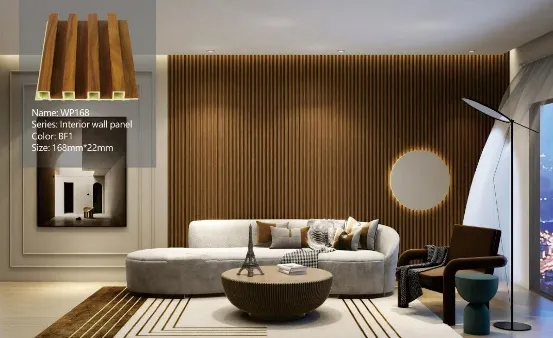
Let's cut to the chase: What makes WPC wall panels so eco-friendly? Let's break it down.
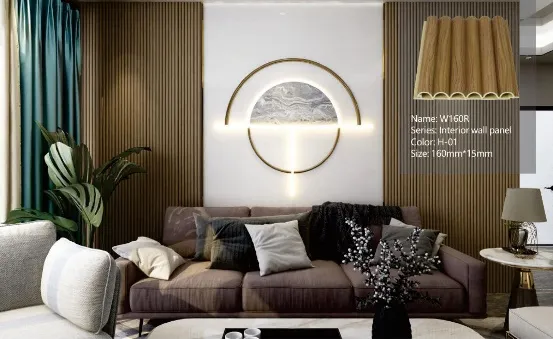
Sustainability is a big selling point, but WPC wall panels don't stop there. They're also incredibly practical, making them ideal for both residential and commercial projects. Let's explore their performance benefits:
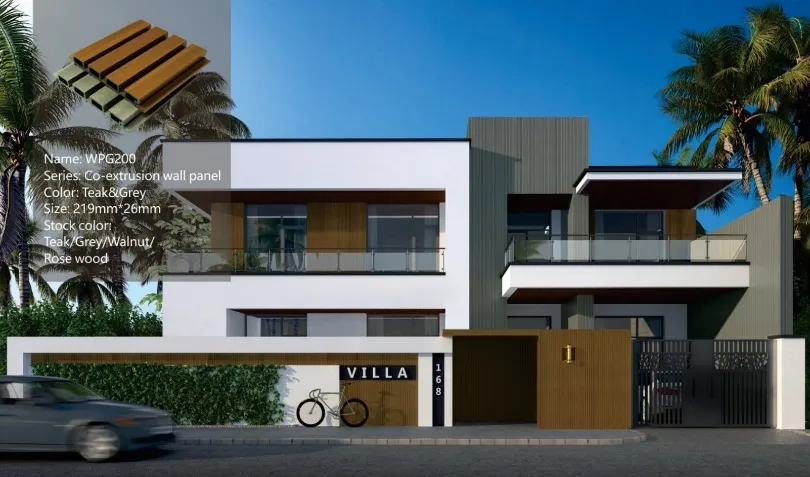
WPC panels aren't the only eco-friendly option out there. Let's see how they compare to two other popular sustainable wall materials: bamboo charcoal board panels and traditional solid wood.
| Feature | WPC Wall Panels | Bamboo Charcoal Board Panels* | Traditional Solid Wood Panels |
|---|---|---|---|
| Eco-Friendliness | High: Uses recycled wood fibers and plastic waste; low VOCs. | High: Made from fast-growing bamboo; charcoal has air-purifying properties. | Low to Moderate: Requires tree harvesting; may use toxic sealants. |
| Durability | Excellent: Moisture, termite, and rot resistant; 20-30 year lifespan. | Good: Resistant to moisture but may scratch more easily than WPC. | Low: Prone to warping, rot, and termite damage; 5-10 year lifespan with maintenance. |
| Maintenance | Low: Wipe clean with water; no painting or sealing needed. | Moderate: May need occasional oiling to maintain finish. | High: Regular sanding, painting, and sealing required. |
| Cost | Mid-Range: More affordable than solid wood; higher than some plastics. | Mid to High: Bamboo charcoal processing can increase costs. | High: Solid wood is expensive, especially rare or exotic species. |
*Bamboo charcoal board panels, offered by some bamboo charcoal board wall panel supplier partners, are another sustainable option, known for their natural odor-absorbing properties. They're a great choice for bedrooms or spaces where air purification is a priority, but they may not match WPC's moisture resistance or durability in high-traffic areas.
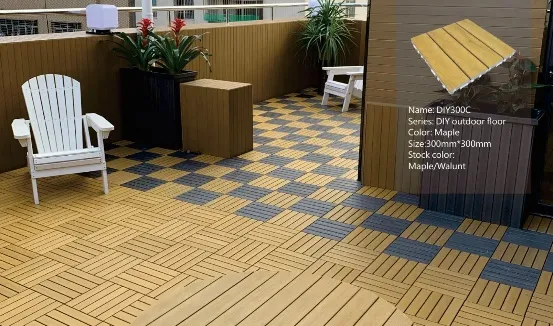
Talk is cheap—let's look at some real projects where WPC wall panels have made a difference. Take the GreenHaven Residential Complex in Dubai, a LEED Platinum-certified development focused on sustainability. The architects wanted to reduce the project's carbon footprint without sacrificing aesthetics, so they chose WPC panels for all interior walls. By using recycled materials, they diverted over 50 tons of plastic waste from landfills and saved an estimated 200 trees. Residents love the panels' durability and easy maintenance, and the developers report lower long-term costs due to reduced upkeep.
Then there's the Urban Office Hub in Singapore, a co-working space designed for creativity and sustainability. The design team used WPC panels with a reclaimed wood finish to create a warm, inviting atmosphere while staying true to their eco-goals. The panels were installed in just three days (thanks to their lightweight design), minimizing construction time and disruption. "We wanted a material that told a story of sustainability," said the project manager. "WPC panels did that—and they look amazing."
Not all WPC wall panels are created equal, and neither are all suppliers. To ensure you're getting a high-quality, eco-friendly product, here are a few key things to ask your wpc wall panel supplier :
As technology advances, we're only seeing more innovation in WPC wall panel solutions. Researchers are experimenting with adding even more recycled content—some prototypes use up to 80% recycled materials—without sacrificing performance. We're also seeing the rise of "smart" WPC panels integrated with insulation or soundproofing properties, making them even more energy-efficient. And as demand grows, prices are becoming more competitive, making WPC panels accessible to more projects, from budget-friendly homes to luxury developments.
Perhaps most exciting is the potential for WPC panels to play a role in circular construction. Imagine a future where old WPC panels are collected, ground down, and turned into new panels—closing the loop entirely. Some wpc wall panel supplier leaders are already piloting take-back programs, and we're hopeful this will become standard practice in the industry.
Sustainable construction isn't just about big, flashy projects or cutting-edge technology. It's about the small choices we make every day—the materials we choose, the suppliers we support, the way we design our spaces. WPC wall panels represent one of those choices: a way to build walls that are beautiful, functional, and kind to the planet. As a wpc wall panel supplier , we're proud to be part of this movement, helping architects, builders, and homeowners create spaces that don't just look good, but do good, too.
So, whether you're renovating your home, designing a commercial space, or planning a large-scale development, consider WPC wall panels. They're more than just a building material—they're a statement that sustainability and style can go hand in hand. And when you're ready to take the leap, choose a supplier who shares your commitment to quality and the environment. Together, we can build a future where every wall tells a story of progress—for our planet, and for generations to come.
Recommend Products











