

In the world of residential design, the walls we choose do more than just divide spaces—they set the mood, reflect our personalities, and stand up to the chaos of daily life. Today's homeowners aren't just looking for pretty surfaces; they want walls that can handle kids' sticky fingers, pet scratches, humid bathrooms, and the occasional spilled glass of wine. Enter WPC wall panels: a material that's quietly revolutionizing how we think about interior decoration materials. Blending the warmth of wood with the durability of plastic, these panels offer a sweet spot between style and practicality. Whether you're renovating a cozy cottage or designing a sleek city apartment, wpc wall panel solutions have something to offer. Let's dive into why they're becoming a go-to choice for modern homes.
First things first: WPC stands for Wood-Plastic Composite. Think of it as the ultimate collaboration between nature and technology. These panels are made by blending recycled wood fibers (from sawdust, wood chips, or even agricultural waste) with plastic resins (often recycled too) and a mix of additives like UV stabilizers and colorants. The result? A material that looks and feels like real wood but behaves more like a superhero—resistant to moisture, rot, and the wear and tear of busy households.
What I love most about WPC is its eco-friendly side. By using recycled materials, it reduces the need for fresh timber and keeps plastic out of landfills. It's a small win for the planet that doesn't force you to compromise on aesthetics. And unlike some "green" materials that feel flimsy or look artificial, WPC wall panels come in textures and grains so realistic, you'll find yourself running your hand over them, half-expecting splinters (spoiler: there are none).
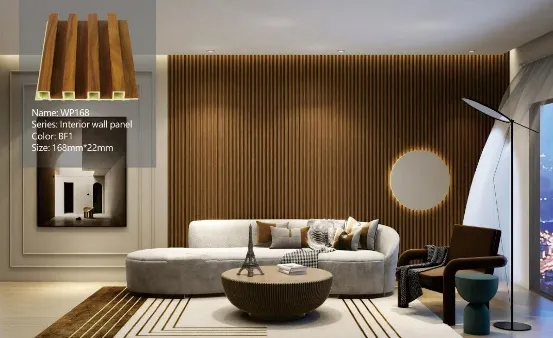
One of the biggest myths about durable materials is that they're boring. WPC wall panels shatter that idea completely. With endless design possibilities, they can adapt to any residential style—from rustic farmhouses to minimalist lofts. Here are a few ways to weave them into your home:
Your living room is where you host movie nights, chat with friends, and curl up with a book. An accent wall clad in WPC panels can turn this space from "nice" to "wow." Imagine warm oak-toned panels behind your sofa, adding depth without overwhelming the room. For a modern twist, try vertical installation in a soft gray—suddenly, your living room feels taller, airier, and infinitely more polished. I worked with a client last year who paired light walnut WPC panels with a bold geometric rug; the contrast was striking, but the panels kept the space feeling grounded and cozy.
Bedrooms demand calm, and WPC panels deliver. Opt for lighter woods like ash or maple to keep the space bright, or go for a rich espresso hue for a touch of luxury. One of my favorite tricks? Using WPC panels on the wall behind the headboard. It adds texture without the hassle of painting or wallpapering, and since WPC has natural sound-dampening properties, it even helps muffle street noise—perfect for light sleepers. A friend recently did this in her teenage daughter's room, choosing a whitewashed pine finish, and now the room feels both trendy and serene. Plus, when her daughter inevitably decides to hang fairy lights or posters, the panels hold up without damage.
Kitchens are war zones—splash zones, steam, and grease are all part of the daily grind. Traditional painted walls or wallpaper stand no chance here, but WPC panels thrive. Their moisture-resistant core means you don't have to panic when a pot boils over or a glass of water spills. And cleaning? A quick wipe with a damp cloth is all it takes. I've seen homeowners use WPC panels as a backsplash alternative, pairing them with marble countertops for a warm-meets-luxe look. Or, for a more industrial vibe, matte black WPC panels behind open shelving—they hide fingerprints and add edge without feeling cold.
Bathrooms are tricky. Mold, mildew, and constant moisture can turn even the most beautiful walls into a nightmare. WPC wall panels are waterproof by nature, making them ideal for this space. Whether you go for a sleek white panel that mimics subway tile or a warm teak finish that feels like a spa retreat, you'll never have to worry about peeling paint or stained drywall again. A client once told me she'd avoided decorating her bathroom for years because she was tired of repainting every six months. After installing WPC panels, she said it felt like "finally having a bathroom that works with me, not against me."
As more of us work from home, our home offices need to inspire focus without feeling sterile. WPC panels strike that balance beautifully. A vertical installation in a soft sage green can create a calming backdrop for video calls, while a reclaimed wood-look panel adds character to a minimalist desk setup. Since they're easy to install, you could even DIY a feature wall over a weekend—no need to hire a pro. I helped a freelance writer design her office with dark walnut WPC panels and brass accents; she said the space now feels "professional but still like mine," which is exactly the vibe we all need when logging in at 9 a.m.
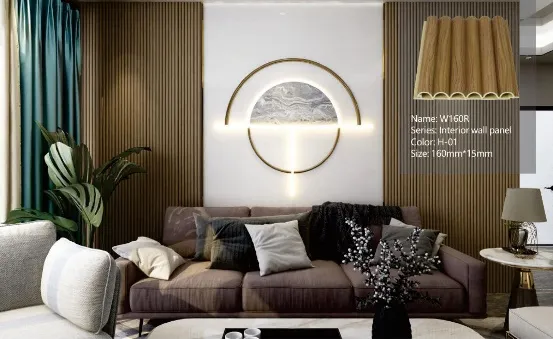
The best way to understand the versatility of wpc wall panel solutions is to see them in real homes. Here are a few examples that showcase their adaptability:
A family in Maine wanted to update their 1950s cottage without losing its charm. The main challenge? Coastal humidity and salt air that had warped traditional wood walls over the years. They chose WPC panels in a weathered cedar finish for the living room and bedrooms. Three years later, the panels still look brand-new—no swelling, no fading, and no signs of the mildew that used to plague their walls. "We can leave the windows open during storms now," the homeowner, "and the walls don't mind a bit."
In a 500-square-foot apartment in Chicago, every inch counts. The owner wanted to create distinct zones (living, sleeping, working) without building walls. WPC panels came to the rescue: a light ash panel divider separates the bedroom from the living area, adding privacy without closing off the space. The panels' slim profile (just 8mm thick) kept the room feeling open, and their neutral tone made the small apartment feel larger. "It's like having a room divider that's also a design feature," the owner said. "Guests always comment on how 'put together' the space feels, even though it's tiny."
A family of four with two young kids and a golden retriever needed walls that could handle chaos. They opted for WPC panels in a durable oak finish throughout the main floor. From crayon marks to muddy paw prints, the panels clean up with a quick wipe. "I used to stress about the walls," the mom told me. "Now, if the kids draw on them, I just grab a magic eraser and move on. It's given me one less thing to worry about." Plus, the warm wood tone makes the busy house feel cozy, even on the messiest days.
Curious how WPC compares to other popular wall solutions? Let's break it down. This table pits WPC against bamboo charcoal board, MCM flexible cladding, and traditional drywall—three common options for residential projects.
| Material | Durability | Moisture Resistance | Eco-Friendliness | Installation Ease | Best For |
|---|---|---|---|---|---|
| WPC Wall Panels | High (resistant to scratches, dents, and rot) | Excellent (waterproof; ideal for bathrooms/kitchens) | High (uses recycled wood/plastic; low VOCs) | Easy (click-lock or glue-on; DIY-friendly) | High-traffic areas, moisture-prone rooms, versatile styles |
| Bamboo Charcoal Board Wall Panels | Medium (can scratch; less impact-resistant than WPC) | Good (absorbs moisture but not fully waterproof) | Very High (sustainable bamboo; natural charcoal properties) | Moderate (requires precise cutting; better for pros) | Bedrooms, living rooms (seeking natural, air-purifying materials) |
| MCM Flexible Cladding Stone Wall Panels | Very High (stone composite; resistant to weathering) | Excellent (waterproof; good for exteriors too) | Medium (some recycled content; heavier environmental footprint) | Difficult (requires specialized tools; professional installation) | Statement walls, exteriors, high-end modern designs |
| Traditional Drywall | Low (easily damaged; prone to holes and cracks) | Poor (absorbs moisture; requires paint/sealant) | Low (gypsum production is energy-intensive; paint has VOCs) | Moderate (requires taping, mudding, sanding; time-consuming) | Budget projects, temporary spaces, easy to repaint |
*Data based on industry standards and real-world user feedback. Individual products may vary by manufacturer.
Beyond their design flexibility, WPC wall panels offer a host of benefits that make them worth every penny. Here's why homeowners and designers keep coming back to them:
Unlike wood, WPC doesn't need staining, sealing, or painting. A quick wipe with soap and water is all it takes to keep it looking fresh. No more weekends spent sanding or repainting—you can spend that time doing something you actually enjoy, like hiking or binge-watching your favorite show.
While WPC panels might cost a bit more upfront than drywall, they last significantly longer. Most come with 10–15 year warranties, and many homeowners report them looking great after 20+ years. When you factor in the cost of repainting or replacing drywall every 5–7 years, WPC ends up being the more affordable choice in the long run.
If sustainability matters to you (and let's be real, it should), WPC delivers. By using recycled materials, it reduces demand for virgin timber and keeps plastic waste out of oceans and landfills. Plus, most WPC panels are free of harmful chemicals like formaldehyde, so you can breathe easy knowing your walls aren't off-gassing toxins into your home.
Many WPC panels come with a click-lock system that lets you install them like flooring—no nails, no mess. If you're handy with a saw and a level, you could tackle a small wall in a day. And if you're not? Hiring a pro is still cheaper than installing stone or custom wood, since the process is so much faster.
Living in a busy household (or next to noisy neighbors) can make peace and quiet hard to come by. WPC panels have natural sound-dampening properties thanks to their dense, composite structure. They won't turn your home into a soundproof booth, but they'll definitely muffle echoes and reduce noise transfer between rooms—perfect for anyone who values a little calm.
Not all WPC wall panels are created equal, and the same goes for suppliers. To ensure you get a product that lives up to its promises, keep these tips in mind when searching for a wpc wall panel supplier:
At the end of the day, home design is about creating spaces that work for you. WPC wall panels aren't just a passing trend; they're a practical, stylish solution that adapts to the way we live. Whether you're a busy parent, a remote worker, or someone who just wants a beautiful home without the constant upkeep, they offer a balance of form and function that's hard to beat.
From cozy bedrooms to moisture-prone bathrooms, from sleek offices to charming coastal cottages, wpc wall panel solutions prove that durable materials don't have to be boring. They let you infuse personality into every room while knowing your walls can handle whatever life throws at them. So the next time you're dreaming up a home renovation, consider WPC—your future self (and your walls) will thank you.
Recommend Products











