

Renovation projects—whether you're sprucing up your home, revamping an office, or giving a retail space a fresh look—often come with a familiar set of headaches: budgets that balloon, timelines that stretch into months, and the endless stress of coordinating contractors, materials, and delays. If you've ever been in that position, you know the drill: what starts as an exciting upgrade can quickly turn into a logistical nightmare, especially when it comes to choosing the right interior decoration materials. The walls, in particular, are a focal point—they set the tone for the entire space, but they also demand time, labor, and money to get right. What if there was a material that could cut through those headaches, saving you both time and cost without sacrificing style or quality? Enter WPC wall panels.
As someone who's worked closely with renovation teams, architects, and homeowners over the years, I've seen firsthand how the choice of wall materials can make or break a project. Traditional options like drywall, ceramic tiles, or natural stone often come with hidden costs: lengthy installation times, pricey labor, and ongoing maintenance that adds up over the years. But WPC (wood-plastic composite) wall panels are changing the game. In this article, we'll dive into why WPC wall panel solutions are becoming the go-to choice for smart renovators, how they stack up against other materials, and real-world examples of projects that saved time and money by going with WPC.
Let's start with the basics. WPC stands for wood-plastic composite, a blend of natural wood fibers and recycled plastic polymers (think polyethylene or polypropylene). The result? A material that marries the best of both worlds: the warm, organic look of wood and the durability, moisture resistance, and low maintenance of plastic. Unlike solid wood, WPC doesn't warp, rot, or splinter when exposed to humidity. Unlike pure plastic, it doesn't feel cheap or artificial—it has a genuine texture and grain that mimics everything from oak and pine to modern concrete or stone.
As a WPC wall panel supplier, we often get asked, "What makes your panels different from the rest?" The answer lies in the manufacturing process. High-quality WPC panels are extruded under high pressure and temperature, creating a dense, stable core that's lightweight yet strong. Many also come with a protective top layer—like a UV-resistant coating or decorative film—that adds scratch resistance and longevity. The result is a product that's not just a wall covering, but a long-term investment in your space.
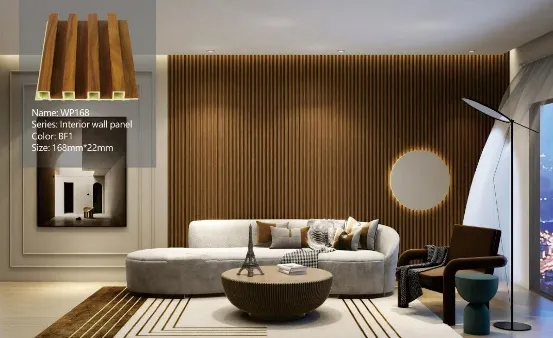
If there's one thing renovation projects can't afford, it's delays. Every extra day on-site means more labor costs, more disruption to your daily life (or business operations), and more stress. Traditional wall materials are notoriously slow to install. Let's break it down:
WPC wall panels, by contrast, are designed for speed. Here's why:
Lightweight and easy to handle: A standard WPC panel weighs around 5-8 kg per square meter—about half the weight of natural stone or ceramic tiles. That means installers don't need heavy equipment or extra helpers to carry them up ladders or stairs. One person can easily maneuver a 2.4m panel into place, cutting down on labor needs.
Simple, tool-friendly installation: WPC panels cut like butter with a standard circular saw or jigsaw—no need for diamond blades or specialized tools. Most come with a tongue-and-groove or click-lock system, similar to laminate flooring. You just align the panels, snap them together, and secure them to the wall with screws or adhesive. No messy mortar, no drying time, no waiting for grout to set.
Minimal prep work: Unlike drywall, which requires a perfectly smooth substrate, WPC panels can be installed over existing walls (like painted drywall or even old tiles) as long as the surface is flat and clean. That eliminates the need for time-consuming wall prep—scraping, sanding, or patching—saving hours (or days) right off the bat.
Let's put this into perspective. A typical 15-square-meter bedroom wall with drywall might take 3-4 days to install, mud, sand, and paint. With WPC panels? Two experienced installers can have it done in one day . For a larger project—say, a 100-square-meter office renovation—that's a difference of weeks vs. days. One contractor we worked with recently told us, "We finished the entire lobby wall in 3 days with WPC panels. The last time we did a similar space with marble, it took 2 weeks. The client was thrilled—they opened their doors a full week early."
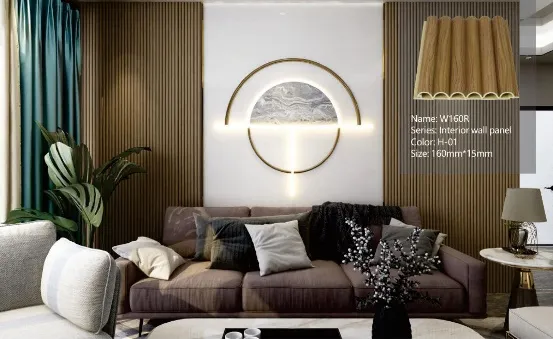
Time is money, but WPC wall panels save you cash in more ways than one. Let's break down the cost benefits:
Lower material costs: WPC panels are generally more affordable than high-end options like natural stone (granite, marble), solid wood, or even MCM flexible cladding. While prices vary by design and thickness, you can expect to pay around $20-$40 per square meter for WPC, compared to $50-$100+ per square meter for natural stone or $30-$60 for premium ceramic tiles. Even better? Because WPC is made with recycled materials, many suppliers (including us) offer competitive pricing without compromising quality.
Reduced labor costs: As we mentioned earlier, faster installation means fewer labor hours. If a team of two charges $50/hour, installing a 50-square-meter wall in 2 days (16 hours) vs. 5 days (40 hours) saves you $1,200 right there. For commercial projects, where labor is often the biggest expense, this can add up to tens of thousands in savings.
Minimal maintenance: Traditional wall materials demand upkeep. Drywall needs repainting every 3-5 years; wood paneling requires staining or sealing; natural stone can etch or stain, needing professional cleaning. WPC? Wipe it down with a damp cloth to remove dust or spills. No painting, no sealing, no refinishing. Over 10 years, that's hundreds (or thousands) saved on maintenance costs.
Durability = fewer replacements: WPC panels are built to last. They resist moisture, so they're ideal for bathrooms, kitchens, or basements where humidity is high. They're scratch-resistant, making them perfect for high-traffic areas like hallways or offices. And they're fade-resistant, so that rich wood grain or modern gray tone will look as good in 10 years as it does on day one. Unlike drywall, which can crack or hole easily, WPC panels can take a beating—meaning you won't have to replace sections every few years.
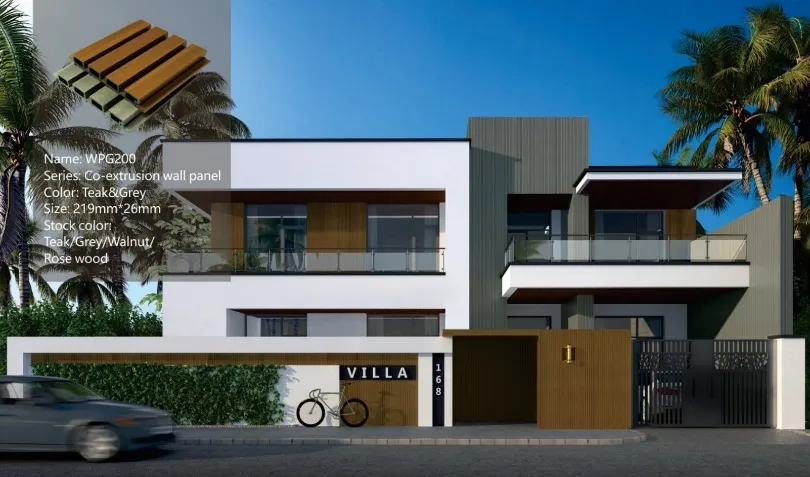
Still on the fence? Let's compare WPC wall panels to other popular options on the market. The table below breaks down key factors like installation time, cost, and maintenance—straight from our experience as a supplier who's worked with everything from MCM flexible cladding to bamboo charcoal board.
| Material | Installation Time (per 10 sqm) | Cost (per sqm, approx.) | Maintenance Needs | Best For |
|---|---|---|---|---|
| WPC Wall Panels | 2-3 hours | $20-$40 | Low (wipe clean, no painting) | Residential, offices, retail, humid areas |
| MCM Flexible Cladding Stone | 4-6 hours | $45-$80 | Medium (occasional sealing) | Exteriors, high-end interiors |
| Bamboo Charcoal Board | 3-5 hours | $30-$50 | Medium (avoid harsh cleaners) | Eco-friendly homes, bedrooms |
| Ceramic Tiles | 5-7 hours | $30-$60 | Medium (grout cleaning, sealing) | Bathrooms, kitchens (wet areas) |
| Solid Wood Panels | 6-8 hours | $60-$120 | High (staining, sealing, warping risk) | Luxury interiors, traditional homes |
As you can see, WPC stands out for its balance of speed, affordability, and low maintenance. It's not that other materials aren't good—MCM cladding, for example, is stunning for exteriors—but for most renovation projects, WPC offers the best return on investment.
Let's take a look at a real project. Sarah, a homeowner in Riyadh, wanted to renovate her 120-square-meter apartment before her family visited for the holidays. Her original plan? Paint the walls, replace the flooring, and update the kitchen backsplash. But after getting quotes, she realized the drywall repairs and painting alone would take 3 weeks and cost $3,000—leaving her stressed about finishing on time.
Her contractor suggested WPC wall panels instead. Sarah was skeptical at first—she wanted a warm, homey feel, and she worried WPC would look "fake." But after seeing samples (including wood grain and stone textures), she took the plunge. The team installed WPC panels in the living room, bedrooms, and hallway, paired with WPC flooring solutions for a cohesive look.
Result? The entire wall and flooring project took just 5 days—2 weeks ahead of schedule. Total cost? $4,500, which included materials and labor (the drywall/paint plan would have cost $5,000+ and taken longer). "I was blown away," Sarah told us. "The panels look exactly like real wood, and they're so easy to clean—my kids' sticky fingerprints wipe right off. Best of all, we had the place ready for my family, and I didn't have to sleep on a construction site for weeks."
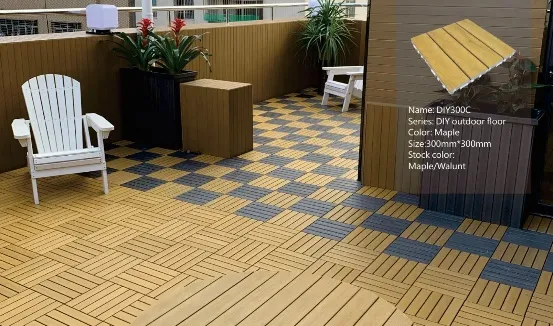
One of the things we love most about WPC wall panels is their versatility. They're not limited to one type of space—they work just as well in a cozy home as they do in a bustling commercial building. Here are some of our favorite applications:
Residential Renovations: Living rooms, bedrooms, home offices, basements, and even bathrooms (thanks to moisture resistance). Use them as an accent wall, or cover entire rooms for a streamlined look. We've seen homeowners pair wood-grain WPC with neutral decor for a rustic vibe, or sleek gray WPC with modern furniture for a minimalist feel.
Commercial Spaces: Offices, retail stores, restaurants, and hotels. For businesses, WPC's durability is a game-changer—think busy restaurant lobbies where chairs scrape walls, or retail stores with high foot traffic. Plus, with customizable colors and patterns, you can brand your space without the cost of custom murals or paint.
Hospitality & Education: While Class A fireproof CPL inorganic boards are the go-to for hospitals and schools (due to strict fire safety codes), WPC panels are a great fit for less regulated areas like hotel lobbies, school cafeterias, or university dorms. They're easy to clean, which is a big plus in spaces where hygiene matters.
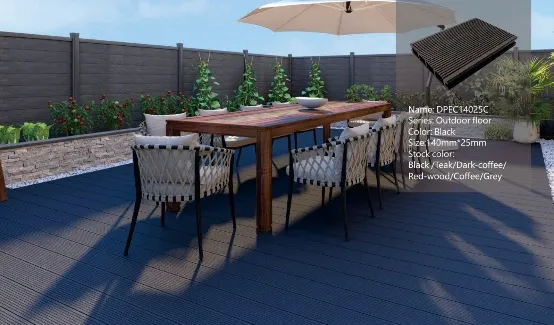
Outdoor Spaces: Many WPC panels are UV-resistant and weatherproof, making them suitable for covered patios, sunrooms, or exterior accent walls. Just check with your supplier—some panels are designed specifically for outdoor use, with added moisture barriers.
Not all WPC panels are created equal. To get the most out of your investment, it's crucial to work with a reputable supplier. Here's what to look for:
Quality Materials: Ask about the wood-to-plastic ratio—higher wood content can mean better aesthetics, but higher plastic content improves durability. A good balance is usually 50-70% wood fibers to 30-50% plastic.
Testing & Certifications: Look for panels that meet industry standards for fire resistance, moisture resistance, and formaldehyde emissions (important for indoor air quality). Reputable suppliers will provide test reports upon request.
Range of Designs: The best suppliers offer a variety of textures, colors, and finishes—from classic wood grains to modern concrete, stone, or even metallic looks. This ensures you'll find something that fits your vision.
Technical Support: Installation tips, design advice, and after-sales service. A good supplier won't just sell you panels—they'll help you avoid common mistakes and ensure your project runs smoothly.
Renovations don't have to be stressful, over-budget, or never-ending. WPC wall panel solutions offer a practical, stylish, and cost-effective alternative to traditional materials, letting you transform your space in less time and with less money. Whether you're a homeowner looking to refresh your living room, a business owner updating your store, or a contractor wanting to impress clients, WPC panels deliver on all fronts: speed, savings, durability, and style.
At the end of the day, renovation is about creating a space that works for you—one that looks great, functions well, and doesn't drain your bank account. WPC wall panels check all those boxes, and then some. So why wait? The next time you're planning a renovation, skip the stress and consider WPC. Your timeline, budget, and future self will thank you.
Recommend Products











