

There's something deeply satisfying about stepping outside your home and feeling like you've entered an extension of your living space—one that's just as inviting, stylish, and functional as the rooms indoors. Yet for many homeowners and designers, outdoor areas like patios, decks, and building facades often become afterthoughts, overshadowed by the allure of interior decor. The problem? Traditional materials like wood, concrete, or vinyl rarely stand up to the demands of the great outdoors. Rain swells wood, sun fades paint, and constant foot traffic wears down even the sturdiest surfaces. What if there was a solution that combined the warmth of natural materials with the resilience of modern engineering? Enter WPC wall panels—a game-changer for anyone looking to transform their outdoor spaces into durable, beautiful, and low-maintenance havens.
Short for wood-plastic composite, WPC is exactly what it sounds like: a blend of wood fibers (often recycled) and plastic polymers, fused together to create a material that borrows the best traits from both. It's tough enough to withstand rain, snow, UV rays, and temperature swings, yet it retains the organic look and feel of wood—without the warping, rotting, or splintering. For years, WPC has been a staple in flooring solutions, but its versatility has made it a star in wall panels too. Today, forward-thinking homeowners, architects, and contractors are turning to WPC wall panel suppliers to elevate patios, decks, and facades from "functional" to "extraordinary." Let's dive into how this material is redefining outdoor design, one panel at a time.
Before we explore specific outdoor spaces, let's unpack why WPC has become the go-to choice for outdoor wall solutions. Imagine investing in a beautiful wooden patio wall, only to watch it crack within a year of heavy rain. Or spending weekends sanding and repainting vinyl panels that peel under the summer sun. WPC eliminates these headaches by design. Its plastic component repels moisture, preventing mold, mildew, and rot—common issues with natural wood. The wood fibers add texture and warmth, so it never feels "plastic-y" or artificial. And because it's a composite, it's dense and scratch-resistant, making it ideal for high-traffic areas like decks or commercial patios.
But durability isn't the only selling point. WPC wall panels are also surprisingly eco-friendly. Most reputable WPC wall panel suppliers use recycled wood fibers and plastic, keeping waste out of landfills. Unlike pressure-treated wood, they contain no harmful chemicals like arsenic or formaldehyde, making them safe for families with kids and pets. And because they require no staining, painting, or sealing, they reduce the need for toxic solvents—good for your lungs and the planet. It's a rare win-win: a material that's kind to the environment and tough enough to handle whatever Mother Nature throws at it.
Not all WPC panels are created equal. The quality of the composite blend, manufacturing processes, and warranty coverage can vary drastically between suppliers. When shopping for WPC wall panel solutions, look for suppliers who prioritize UV stabilization (to prevent fading), high-density construction (for impact resistance), and third-party certifications for safety and sustainability. A reliable supplier will also offer samples, so you can feel the texture and see the color in person before committing. After all, your outdoor space deserves materials that look as good as they perform.
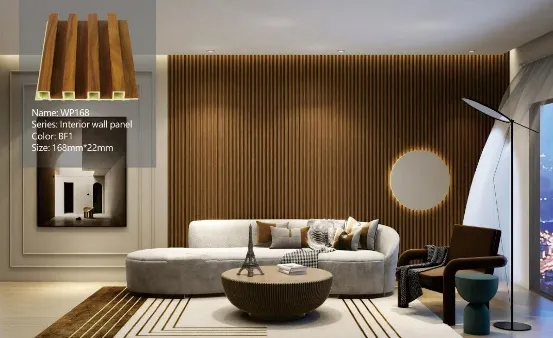
Patios are the heart of outdoor living—where morning coffee is sipped, evening barbecues are hosted, and kids chase fireflies at dusk. But too often, they're treated as little more than concrete slabs with a few chairs. WPC wall panels change that by adding depth, color, and personality without sacrificing practicality. Picture this: a patio lined with vertical WPC panels in a warm oak finish, paired with potted greenery and string lights. The panels soften the harshness of the surrounding walls, creating a cozy, cabin-like vibe. When it rains, you don't panic about water damage—WPC repels moisture, so the panels stay intact and mold-free. When the sun beats down, the color doesn't fade; UV inhibitors in the material lock in that rich, woody hue for years.
One of the best things about WPC panels for patios is their versatility. They come in a range of styles, from sleek modern slats to rustic "weathered" textures, so you can match them to your home's architecture. Want a tropical oasis? Opt for a bamboo-inspired pattern. Going for industrial chic? A charcoal gray, smooth-finish panel fits the bill. And because they're lightweight and easy to install (many snap together or mount with simple brackets), you don't need a team of professionals to transform your space. Even DIY enthusiasts can tackle a patio wall project in a weekend, saving on labor costs.
For commercial spaces—think restaurants with outdoor seating or boutique hotels with courtyard patios—WPC panels are a no-brainer. They stand up to spilled drinks, rowdy crowds, and constant cleaning (a quick wipe with soap and water is all it takes), ensuring the space looks fresh and inviting day in and day out. Plus, their acoustic properties help muffle noise, making even busy patios feel more intimate. It's no wonder so many business owners are partnering with WPC wall panel suppliers to upgrade their outdoor dining areas—happy customers stay longer, and beautiful spaces get shared on social media.
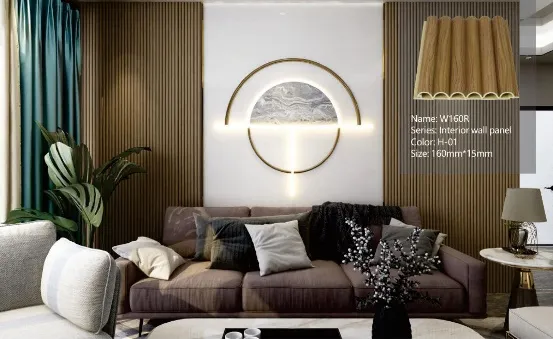
Decks are all about connection—bridging the gap between indoor and outdoor living, offering views of the yard, and serving as a stage for life's little moments. But traditional wooden decks are a maintenance nightmare. They require annual staining, sealing, and repairs; loose boards and splinters pose safety risks; and after a decade, many need to be replaced entirely. WPC decking has long been a popular alternative, but combining WPC flooring solutions with WPC wall panels takes deck design to a whole new level.
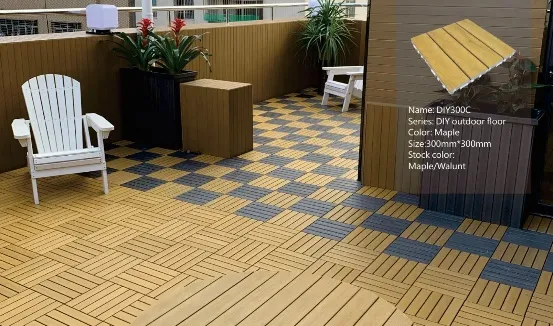
Imagine a multi-level deck with WPC flooring that mimics the look of teak, paired with matching wall panels along the railings and privacy screens. The cohesive design creates a seamless flow, making the deck feel like a true extension of your home. But it's the safety features that really shine. WPC panels have a non-slip surface, even when wet—a critical detail for families with kids or elderly relatives. Unlike wood, they don't splinter, so bare feet (and pet paws) stay safe. And because they're resistant to moisture, you won't have to worry about rotting joists or warped boards weakening the structure over time.
For homeowners in areas with extreme weather—think snowy winters or humid summers—WPC is a lifesaver. In cold climates, wood contracts and expands with freeze-thaw cycles, leading to gaps and cracks. WPC, on the other hand, maintains its shape, so your deck walls and railings stay sturdy year-round. In humid regions, where mold and mildew thrive, WPC's moisture resistance prevents unsightly growth and the musty odors that come with it. It's a low-effort solution for high-impact results: spend less time maintaining your deck, and more time enjoying it.
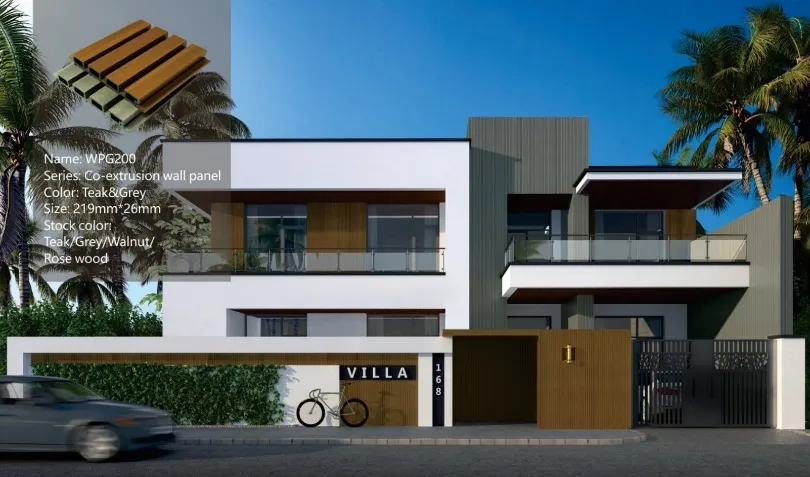
A building's facade is its first impression—the face it shows to the world. Whether it's a residential home, a boutique shop, or a corporate office, the facade sets the tone for what's inside. Traditional facade materials like brick, stone, or stucco are durable but often heavy, expensive, or limited in design options. WPC wall panels offer a lightweight, customizable alternative that adds curb appeal while boosting energy efficiency.
Architects love WPC for facades because it's malleable—easily cut into shapes, curves, or patterns that brick or stone can't match. Want a modern home with geometric paneling? Or a cottage-style facade with a "shiplap" look? WPC can do both. And because it's lighter than traditional materials, it reduces the structural load on buildings, cutting down on construction costs. But the benefits go beyond aesthetics: WPC panels act as a thermal barrier, insulating the building and reducing heating and cooling bills. In hot climates, they reflect UV rays, keeping interiors cooler; in cold climates, they trap heat, lowering energy use. It's a smart choice for eco-conscious builders and homeowners alike.
Take, for example, a recent project by a commercial developer in a coastal city. Tired of traditional stucco facades peeling and fading in the salt air, they turned to a WPC wall panel supplier for a solution. The result? A series of retail buildings clad in WPC panels with a driftwood finish, complementing the oceanfront location. Five years later, the panels still look brand-new—no chipping, no fading, no signs of corrosion. Passersby often mistake them for real wood, commenting on the "charming beachy vibe." For the developer, it was a win: lower maintenance costs, higher tenant satisfaction, and a facade that stands out in a crowded market.
Still on the fence about WPC wall panels? Let's break down how they compare to other common outdoor materials. The table below highlights key factors like durability, maintenance, cost, and eco-friendliness—so you can make an informed choice for your space.
| Material | Durability | Maintenance | Cost (Initial/ Long-Term) | Eco-Friendliness |
|---|---|---|---|---|
| Natural Wood | Low (warping, rot, pests) | High (annual staining/sealing) | Low initial, high long-term (replacements) | Medium (depends on sourcing; often requires chemicals) |
| Vinyl | Medium (fades, cracks in extreme heat) | Low (occasional cleaning) | Medium initial, medium long-term (may need replacement after 10-15 years) | Low (non-recyclable, made from non-renewable resources) |
| Fiber Cement | High (resistant to weather, pests) | Medium (repainting every 5-7 years) | High initial, medium long-term (heavy; requires professional installation) | Medium (contains cement, a high-carbon material) |
| WPC | Very High (resistant to moisture, UV, pests) | Very Low (soap and water cleaning only) | Medium initial, low long-term (25+ year lifespan) | High (recycled materials, low VOC emissions) |
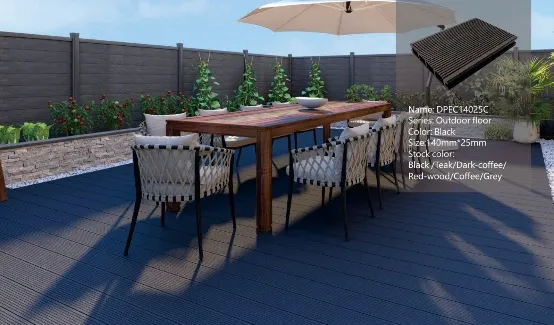
One of the biggest perks of WPC wall panels is how little they ask in return. Unlike wood, which demands constant attention, WPC thrives on minimal care. Here's how to keep your panels looking their best for decades:
As more homeowners and businesses prioritize sustainability, durability, and style, WPC wall panels are poised to become a staple in outdoor design. Innovations in manufacturing are making them even more versatile—think panels with integrated lighting, 3D textures, or custom colors that mimic rare stones or exotic woods. And as demand grows, WPC wall panel suppliers are expanding their offerings, making it easier than ever to find panels tailored to specific climates, architectural styles, or budget constraints.
But perhaps the biggest reason for WPC's staying power is its ability to make outdoor spaces feel livable . It turns patios into gathering spots, decks into safe havens, and facades into works of art—without the stress of constant upkeep. In a world where time is our most precious commodity, WPC lets us focus on what matters: making memories outdoors, not maintaining them.
So whether you're building a new home, renovating an existing space, or simply looking to spruce up your outdoor area, consider WPC wall panels. They're more than just a material—they're a promise: that your outdoor spaces can be beautiful and tough, stylish and sustainable, and that you'll spend less time fixing them and more time falling in love with them. After all, the best outdoor spaces aren't just built—they're lived in. And with WPC, they'll be lived in for years to come.
Recommend Products











