

It's a quiet Sunday morning, and you're standing in your backyard, coffee in hand, staring at the pergola you built five years ago. Back then, it was a labor of love—staining the wood, securing each slat, imagining all the summer gatherings it would host. But today, the reality hits: the once-rich cedar color has faded to a dull gray, the edges are starting to warp from last winter's snow, and there's a faint mildew smell creeping in from the shaded corners. Sound familiar? If you're like many homeowners or designers, you've probably asked yourself, "Why does creating a beautiful outdoor space have to mean endless maintenance?" The answer might lie in a material that's been quietly revolutionizing outdoor design: WPC wall panels. Let's dive into how WPC wall panel solutions are transforming pergolas, shaded patios, and outdoor retreats into spaces that look stunning and stand the test of time.
First things first: WPC stands for Wood-Plastic Composite. Think of it as the best of both worlds—combining the natural, warm look of wood with the durability and low-maintenance perks of plastic. Made by blending wood fibers (often recycled) with plastic polymers and a mix of additives (like UV stabilizers and colorants), WPC panels are engineered to tackle the toughest outdoor conditions without losing their charm. Unlike solid wood, they don't splinter, crack, or rot. Unlike pure plastic, they don't feel cheap or artificial. It's a material designed for people who want outdoor spaces that look intentional, not industrial, and last longer than a few seasons.
But why focus on wall panels for pergolas and shaded areas? Because these spaces are tricky. Pergolas, by design, are semi-open—they block some sun but not all the elements. Shaded areas, whether under a porch, lanai, or covered patio, trap moisture: morning dew, afternoon humidity, even the occasional rain that sneaks in sideways. Traditional materials like wood or vinyl struggle here. Wood absorbs moisture, leading to rot and mold. Vinyl, while water-resistant, can fade or become brittle under prolonged UV exposure. WPC? It's built to laugh off these challenges. Let's unpack why that matters.
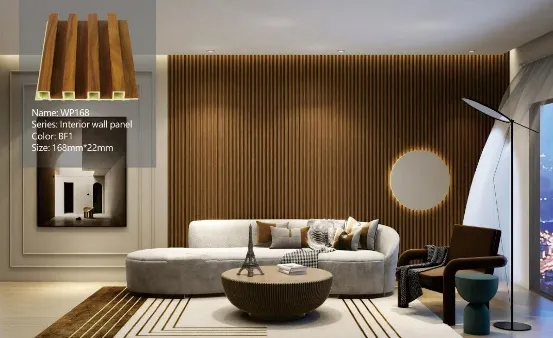
Let's start with the obvious: durability . Imagine installing wall panels and not having to repaint, restain, or replace them every 2-3 years. WPC panels typically last 20-30 years with minimal upkeep. That's because they're resistant to the three biggest outdoor enemies: moisture, pests, and UV rays. No more worrying about termites munching on the framework or rainwater seeping into cracks. Even in shaded areas, where sunlight is limited and humidity lingers, WPC panels resist mold and mildew growth—something anyone who's fought black spots on wooden pergola beams can appreciate.
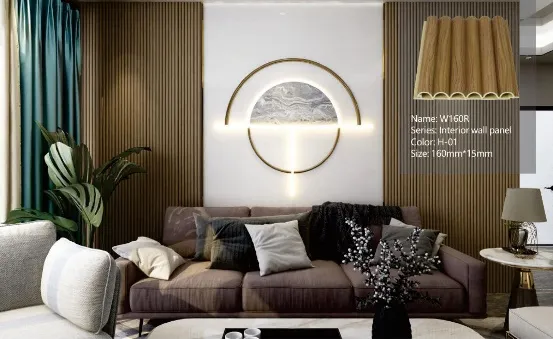
Then there's aesthetics . WPC manufacturers have gotten creative, offering panels in a range of finishes that mimic real wood (think oak, teak, cedar), stone, or even modern concrete looks. Whether your style is rustic cottage, coastal minimalist, or industrial chic, there's a WPC panel to match. And because they're made in uniform sizes and colors, you get a consistent look across your pergola or shaded wall—no more mismatched slats or uneven staining. It's the kind of polish that makes guests ask, "Is this real wood?" (Spoiler: They'll be impressed when you say it's WPC.)
Let's not forget ease of installation . Unlike solid wood, which requires pre-drilling, sanding, and careful sealing, WPC panels are lightweight and often designed with tongue-and-groove or click-lock systems. That means if you're handy with a drill, you could potentially install them yourself over a weekend. Even if you hire a pro, the process is faster (and often cheaper) than working with traditional materials. No special tools, no messy stains, no waiting for sealant to dry. Just clean, straightforward installation that gets you to enjoying your space sooner.
Still on the fence? Let's put WPC head-to-head with the materials you might be considering for your pergola or shaded wall. The table below breaks down how they stack up in key areas like durability, maintenance, and cost—because when you're investing in your outdoor space, knowledge is power.
| Material | Typical Lifespan | Annual Maintenance | Moisture/UV Resistance | Visual Appeal | Long-Term Cost* |
|---|---|---|---|---|---|
| WPC Wall Panels | 20-30 years | Minimal (hose down with soap/water once a year) | Excellent (resists rot, fading, mold) | Natural wood-like finish; multiple colors/ textures | Moderate (higher upfront, low upkeep) |
| Solid Wood (Cedar/Pine) | 5-15 years (without constant maintenance) | High (sand, stain, seal every 1-2 years) | Poor (prone to rot, warping, UV fading) | Classic, warm look (but fades quickly) | High (low upfront, but costly upkeep/replacement) |
| Vinyl Panels | 10-15 years | Low (occasional cleaning) | Good (water-resistant, but fades in direct sun) | Plastic-like; limited texture options | Moderate (low upfront, but may need replacement sooner) |
| Aluminum Panels | 30+ years | Low (rinse off dirt) | Excellent (rust-proof, UV-stable) | Modern, sleek (but can feel cold/industrial) | High (expensive upfront; not ideal for cozy spaces) |
*Long-term cost includes upfront material, installation, and 10 years of maintenance/replacement.
The takeaway? WPC wall panel solutions strike a sweet spot: they look and feel like wood, last longer than vinyl, and avoid the industrial vibe of aluminum—all without the never-ending upkeep of solid wood. For pergolas and shaded areas, where moisture and weather exposure are constant concerns, this balance is a game-changer.
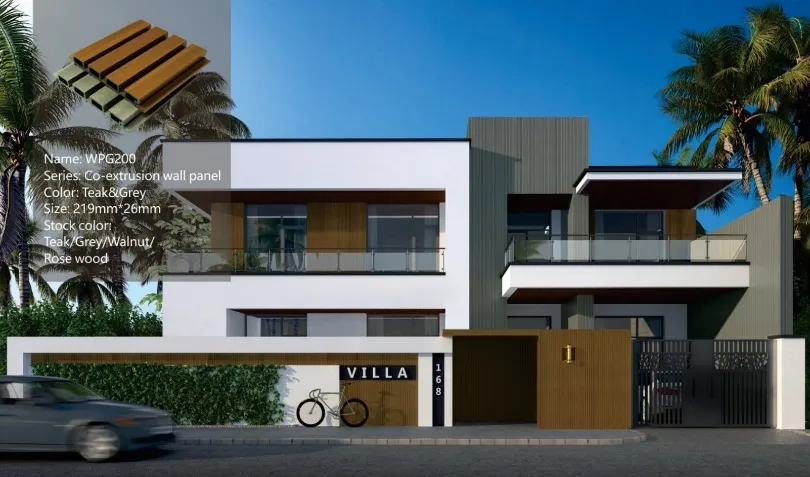
WPC panels aren't just for "covering walls"—they're versatile enough to turn ordinary outdoor structures into focal points. Let's explore some of the most popular ways designers and homeowners are using them:
Pergolas are great for dappled shade, but they can lack privacy—especially if you're close to neighbors. WPC wall panels solve this by creating partial enclosures. Imagine installing vertical panels on two sides of your pergola, spaced 2-3 inches apart, to block prying eyes while still letting in light and breeze. Or go for horizontal slats along the bottom half for a modern, streamlined look. Since WPC comes in various colors, you can match your home's exterior (think warm grays for a contemporary house, honey tones for a cottage) or contrast for drama (black panels against a white pergola frame). The best part? Unlike wood lattice, these panels won't warp or sag, so your privacy screen stays crisp for years.
Shaded patios, lanais, or covered porches often feel like "afterthoughts"—but they don't have to. WPC wall panels can add texture and warmth to these spaces, turning them into true extensions of your home. For example, cladding the lower half of a shaded patio wall with WPC panels in a wood-grain finish creates a cozy, cabin-like feel, while leaving the upper half open for windows or greenery. Or use panels to create a feature wall behind your outdoor sofa, mounting shelves or planters directly onto the durable surface. In humid climates (looking at you, Florida and the Pacific Northwest), WPC's moisture resistance means you won't have to worry about mold creeping in—even in those shaded, slow-drying corners.
Outdoor kitchens are all the rage, but their backsplashes take a beating: grease splatters, rain, and humidity can ruin tile grout or wooden accents. WPC wall panels (especially those with a smooth, sealed finish) make for easy-to-clean backsplashes. They're heat-resistant (within reason—keep them a safe distance from grills), and a quick wipe with soapy water removes even the stickiest BBQ sauce. Plus, with finishes that mimic marble or stone, you can get that high-end look without the high-end maintenance.
If you have a garden pergola covered in climbing plants (roses, ivy, wisteria), you know the struggle: the plants' moisture and vines can wood decay. WPC panels stand up to this by resisting rot and pests, even when in constant contact with greenery. Use them to line the base of the pergola posts or create a backdrop for your climbing plants—they'll provide a stable, attractive surface that lets your garden shine without sacrificing the structure.
Meet Maria, a homeowner in Raleigh, North Carolina, who had a shaded pergola over her patio that was "falling apart" after seven years. "The wood was so warped, we couldn't even attach the swing anymore," she says. "And the mildew was so bad, my kids refused to sit under it." After researching options, she turned to a residential building materials supplier specializing in WPC wall panel solutions. They recommended a light oak-colored WPC panel with a tongue-and-groove system for easy installation. "We installed it ourselves in a weekend—no sanding, no staining, just clicking the panels into place," Maria recalls. "Two years later, it still looks brand new. We host cookouts under there every month, and I've never had to clean it more than hosing it down after a storm. It's like having a brand-new pergola that doesn't demand my time."
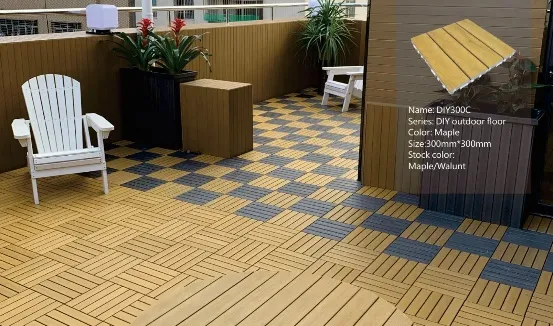
One of the biggest perks of WPC wall panel solutions is how easy they are to live with. Let's walk through the basics:
Most WPC panels are designed for simple installation, even if you're not a seasoned builder. Here's a quick overview:
If DIY isn't your thing, hiring a pro is still affordable—since installation is faster than with wood, labor costs are often lower.
Gone are the days of annual staining or monthly pressure washing. WPC panels need just a little TLC to stay looking great:
In a world where eco-friendliness matters more than ever, WPC wall panel solutions have a hidden benefit: they're often made with recycled materials. Many manufacturers use post-consumer plastic (like old water bottles) and recycled wood fibers (from sawdust or construction waste), keeping these materials out of landfills. Plus, since WPC panels last 20-30 years, they reduce the need for frequent replacements—meaning fewer trees cut down and less waste over time. For homeowners who want outdoor spaces that look good and do good, this is a big win.
Not all WPC panels are created equal. To get the most out of your investment, look for a supplier that specializes in WPC wall panel solutions (and ideally, has experience with residential building materials). A good supplier will offer:
For example, if you're in Saudi Arabia, partnering with a local Saudi Arabia building materials supplier who carries WPC wall panel solutions can save on shipping costs and ensure you get panels suited to the region's climate (think high UV resistance for desert areas). Similarly, if you're tackling a commercial project (like a café's shaded patio), a supplier with experience in commercial building materials will understand your need for durable, code-compliant panels.
At the end of the day, outdoor spaces should be about relaxation, not repair. WPC wall panel solutions offer a way to create pergolas, shaded patios, and outdoor retreats that are as beautiful as they are practical—no sanding, staining, or stress required. Whether you're a homeowner looking to revamp your backyard or a designer crafting a commercial oasis, WPC panels prove that you don't have to choose between aesthetics and durability. So, the next time you stand in your backyard, staring at that worn-out pergola, remember: there's a better way. With WPC, you can build an outdoor space that grows with you—one that looks great today, tomorrow, and for decades to come. After all, the best outdoor memories aren't made fixing things—they're made enjoying them.
Recommend Products











