

In the world of healthcare, every detail matters. From the precision of medical equipment to the comfort of patient rooms, every element contributes to the overall well-being of patients, staff, and visitors. One often overlooked yet critical component is the choice of wall materials. Healthcare facilities—hospitals, clinics, nursing homes, and medical centers—face unique challenges: constant foot traffic, frequent cleaning with harsh disinfectants, strict infection control protocols, and the need for long-lasting durability. In recent years, WPC wall panel solutions have emerged as a game-changer, offering a perfect blend of hygiene, durability, and practicality that traditional materials struggle to match. Let's dive into why these innovative panels are becoming the go-to choice for modern healthcare design.
Healthcare environments are unlike any other. A busy hospital corridor might see hundreds of people pass through daily—doctors rushing to emergencies, patients in wheelchairs, visitors carrying supplies, and cleaning staff working tirelessly to maintain sterility. Walls in these spaces aren't just decorative; they're a line of defense against germs, a barrier against wear and tear, and a silent contributor to patient recovery.
Traditional wall materials like drywall, painted concrete, or even ceramic tiles often fall short. Drywall, for example, is prone to water damage and cracks, creating crevices where bacteria can hide. Ceramic tiles, while easy to clean, can chip or crack if bumped by equipment, and their grout lines are notorious for harboring mold and mildew. Even more specialized options, like vinyl wall coverings, may not stand up to the frequent scrubbing with industrial-grade cleaners required in healthcare settings.
So, what do healthcare facilities really need from their walls? First and foremost: hygiene . Surfaces must be non-porous, resistant to moisture, and easy to sanitize without degradation. Second: durability . Walls need to withstand impacts, scratches, and daily wear without showing signs of damage. Third: safety . Fire resistance, low toxicity, and compliance with strict building codes are non-negotiable. And finally: versatility . Materials should adapt to different areas—from high-traffic corridors to calm patient rooms, from operating theaters to pediatric wards.
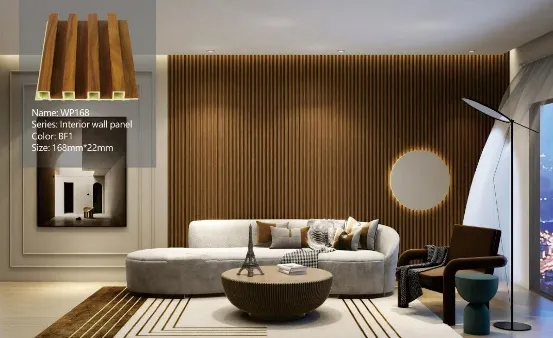
Enter WPC wall panel solutions. WPC, or Wood Plastic Composite, is a innovative material made by blending wood fibers, plastic, and additives. This combination creates a product that leverages the best properties of both materials: the natural look and feel of wood, and the durability and moisture resistance of plastic. For healthcare facilities, this translates to a wall panel that checks all the boxes—and then some.
Unlike traditional wood panels, WPC is 100% moisture-resistant. It doesn't absorb water, making it impervious to mold, mildew, and rot—common issues in humid healthcare areas like bathrooms, kitchens, or recovery rooms. Unlike pure plastic panels, it has a warm, organic texture that avoids the clinical "coldness" often associated with synthetic materials, helping to create a more comforting environment for patients.
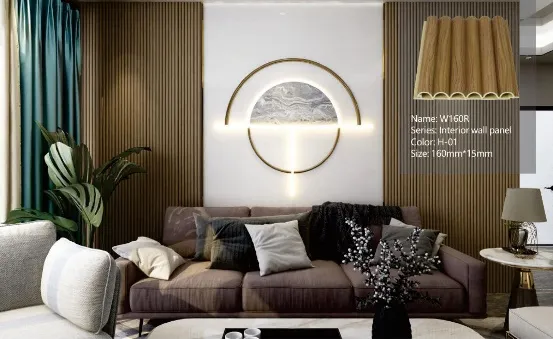
But what truly sets WPC wall panel solutions apart is their ability to balance functionality with aesthetics. Healthcare design is increasingly recognizing the role of environment in patient outcomes; studies show that calming, visually appealing spaces can reduce stress and speed up recovery. WPC panels come in a wide range of finishes—from wood grains to solid colors—allowing designers to create spaces that feel less like sterile institutions and more like welcoming havens, without compromising on performance.
In healthcare, hygiene isn't just a priority—it's a matter of life and death. The Centers for Disease Control and Prevention (CDC) estimates that healthcare-associated infections (HAIs) affect millions of patients each year, leading to prolonged hospital stays, increased healthcare costs, and, in severe cases, loss of life. A significant contributor to HAIs is contaminated surfaces, making the choice of wall materials critical in infection control.
WPC wall panels are inherently non-porous. Unlike drywall or natural wood, which have tiny pores that can trap dirt, bacteria, and moisture, WPC's smooth, sealed surface leaves nowhere for pathogens to hide. This makes cleaning a breeze: a quick wipe with a disinfectant solution (even those containing bleach or alcohol) is enough to kill germs without damaging the panel. In contrast, porous materials like painted drywall may absorb cleaning agents over time, leading to discoloration or degradation—and worse, they may not fully eliminate bacteria hiding in their pores.
Moisture is the enemy of hygiene in healthcare. From steam in patient showers to spills in waiting areas, walls are constantly exposed to water. WPC wall panels, thanks to their plastic component, are completely moisture-resistant. They won't warp, swell, or develop mold, even in high-humidity environments. This is a stark contrast to traditional materials like wallpaper or fabric wall coverings, which can become breeding grounds for mold if they get wet—a problem that not only poses health risks but also requires costly repairs.
Many WPC wall panel suppliers now offer panels infused with antimicrobial additives. These additives work by inhibiting the growth of bacteria, fungi, and viruses on the surface of the panels, providing 24/7 protection between cleanings. In high-risk areas like operating rooms or intensive care units (ICUs), this extra layer of defense can make a significant difference in reducing the spread of infections.

Healthcare facilities are bustling, high-energy spaces. Walls take a beating daily: stretchers bumping into corners, wheelchairs scraping against surfaces, medical equipment being moved, and even the occasional dropped tool or supply cart. A wall material that chips, scratches, or dents easily isn't just unsightly—it can become a safety hazard, with sharp edges or cracks that trap dirt. WPC wall panel solutions are engineered to stand up to this kind of abuse, offering long-term durability that minimizes maintenance and replacement costs.
The wood-plastic composite structure of WPC panels gives them impressive impact resistance. Unlike ceramic tiles, which can shatter on impact, or drywall, which dents easily, WPC panels flex slightly upon impact, absorbing the force and returning to their original shape. This makes them ideal for busy corridors, emergency rooms, and pediatric wards, where accidental bumps are a daily occurrence. Additionally, their hard surface is highly scratch-resistant, ensuring that even after years of use, the panels retain their smooth, uniform appearance.
Healthcare cleaning routines involve harsh chemicals—bleach, hydrogen peroxide, and quaternary ammonium compounds, to name a few. Traditional materials may fade, discolor, or degrade when exposed to these agents over time. WPC panels, however, are resistant to most industrial cleaners, maintaining their color and integrity even after years of frequent sanitization. They're also UV-resistant, making them suitable for areas with large windows or natural light, where sun exposure can cause other materials to fade.
WPC wall panels are designed for longevity. With proper installation and minimal maintenance, they can last 20 years or more—far longer than drywall (which typically needs replacement every 5-10 years) or vinyl wall coverings (which may peel or fade after 7-10 years). This long lifespan translates to lower lifecycle costs, as facilities spend less on repairs and replacements. Maintenance is also a breeze: a quick wipe with a damp cloth and mild detergent is usually all that's needed to keep panels looking like new.
To truly understand the value of WPC wall panel solutions, it's helpful to compare them to other common materials used in healthcare facilities. Let's take a closer look at how WPC stacks up against drywall, ceramic tiles, and even specialized options like Class A fireproof CPL inorganic board for hospital and school solutions.
| Material | Hygiene (Non-Porous, Easy to Clean) | Durability (Impact/Scratch Resistance) | Fire Resistance | Maintenance Needs | Cost (Lifecycle) |
|---|---|---|---|---|---|
| Drywall | Poor (porous, absorbs moisture, hard to sanitize) | Poor (dents easily, cracks over time) | Fair (requires fire-resistant coating) | High (frequent repairs, repainting, replacement) | High (low upfront, high long-term) |
| Ceramic Tiles | Good (non-porous, but grout lines trap mold) | Fair (resistant to scratches, but chips/cracks on impact) | Excellent (fireproof) | Medium (grout cleaning, tile replacement if chipped) | Medium (high upfront, moderate long-term) |
| Class A Fireproof CPL Inorganic Board for Hospital and School Solutions | Excellent (non-porous, chemical-resistant) | Good (hard surface, scratch-resistant) | Excellent (Class A fire rating) | Low (easy to clean, minimal maintenance) | High (high upfront, low long-term) |
| WPC Wall Panel Solutions | Excellent (non-porous, moisture-resistant, antimicrobial options) | Excellent (impact/scratch-resistant, flexible structure) | Good (fire-retardant options available) | Very Low (simple cleaning, no repainting/replacement needed) | Moderate (mid upfront, very low long-term) |
As the table shows, WPC wall panel solutions offer a balanced combination of hygiene, durability, and cost-effectiveness. While Class A fireproof CPL inorganic board for hospital and school solutions excel in fire resistance—a critical factor in certain healthcare areas like labs or operating rooms—WPC panels shine in versatility, comfort, and overall value. Many facilities opt for a hybrid approach: using CPL inorganic boards in high-fire-risk zones and WPC panels in general areas like corridors, patient rooms, and waiting areas to create a cohesive, functional design.
Greenview Medical Center, a 300-bed hospital in Riyadh, Saudi Arabia, was facing a common problem: their aging drywall walls in patient corridors and waiting areas were constantly needing repairs. Scratches, dents, and water damage from cleaning had left walls looking worn, and the hospital's maintenance team was spending hundreds of hours each month patching, painting, and replacing sections. Worse, the porous drywall was making it difficult to maintain consistent hygiene standards, with occasional mold growth in high-moisture areas.
In 2023, Greenview decided to renovate its main corridors and patient rooms, choosing WPC wall panel solutions as the replacement for drywall. The results were striking. Within six months, maintenance costs dropped by 40%—no more patching or repainting, and cleaning times were reduced by 25%, as staff could quickly wipe down the non-porous WPC panels without scrubbing grout lines or worrying about moisture damage.
Nurse Manager Amal Al-Mansoori noted, "The difference is night and day. The corridors look brighter and cleaner, and we've had fewer complaints about mold in patient rooms. The panels stand up to our stretchers and wheelchairs, too—no more dents or scratches. It's made our jobs easier and the environment better for patients."
One of the often-overlooked benefits of WPC wall panel solutions is their ease of installation. Unlike ceramic tiles, which require skilled labor and time-consuming grouting, or drywall, which needs taping, mudding, and painting, WPC panels are designed for quick, hassle-free installation. Most panels feature a tongue-and-groove system or interlocking design, allowing installers to fit them together like puzzle pieces. This reduces installation time by up to 50% compared to traditional materials, minimizing disruption to healthcare operations—a critical advantage for facilities that can't afford lengthy shutdowns.
Maintenance is equally straightforward. As mentioned earlier, regular cleaning with a damp cloth and mild detergent is usually sufficient. For tougher stains, a solution of water and vinegar or a non-abrasive cleaner works well. Unlike wood, WPC panels don't require sealing, staining, or painting. And if a panel does get damaged (a rare occurrence), individual panels can be replaced without tearing down entire sections of wall—saving time and money.
While WPC wall panel solutions are a standout choice for many healthcare areas, they're not the only option. For facilities looking to create a comprehensive, tailored design, combining WPC with other specialized materials can enhance functionality. For example:
By combining these materials, healthcare facilities can create a design that's both functional and aesthetically pleasing, addressing the unique needs of each space.
The healthcare industry is constantly evolving, and wall materials are no exception. As technology advances, we can expect to see even more innovative features integrated into WPC wall panel solutions and related products. For example, some manufacturers are exploring panels with built-in sensors that monitor temperature, humidity, or air quality—providing real-time data to facility managers. Others are developing self-cleaning coatings that use photocatalysis to break down bacteria and pollutants when exposed to light, further enhancing hygiene.
Sustainability is also becoming a key focus. Many WPC wall panel suppliers are now using recycled plastic and wood fibers in their products, reducing environmental impact. Additionally, panels with low volatile organic compound (VOC) emissions are becoming standard, ensuring that indoor air quality remains high—a critical factor for patient health.
In healthcare, every decision is about improving patient outcomes, enhancing safety, and optimizing operations. WPC wall panel solutions check all these boxes, offering unmatched hygiene, durability, and versatility that traditional materials can't match. From reducing infection risks with non-porous, easy-to-clean surfaces to lowering maintenance costs with impact-resistant, long-lasting panels, WPC is more than just a wall material—it's an investment in the future of healthcare design.
As facilities like Greenview Medical Center have discovered, the switch to WPC panels isn't just about aesthetics; it's about creating a better environment for patients, staff, and visitors. And when combined with complementary solutions like Class A fireproof CPL inorganic boards or bamboo charcoal panels, the possibilities for functional, beautiful healthcare spaces are endless.
For healthcare administrators, architects, and designers looking to build or renovate, WPC wall panel solutions offer a clear path forward—one that prioritizes hygiene, durability, and value without sacrificing comfort or style. In the end, it's simple: healthier walls mean healthier patients, happier staff, and more efficient operations. And that's a win for everyone.
Recommend Products











