

Balancing durability, safety, and inspiration in spaces where learning takes root
Step into a classroom, and you'll feel it immediately—the energy of curious minds, the rhythm of collaboration, the quiet concentration of a student lost in a book. These moments aren't accidental; they're shaped by the walls, floors, and ceilings that surround them. Educational buildings are more than just infrastructure—they're ecosystems where young people grow, explore, and discover their potential. Yet for all their importance, the materials that make up these spaces are often an afterthought. Nowhere is this more evident than in the walls that form the backdrop of every lesson, every conversation, and every breakthrough.
For years, schools and universities have grappled with wall materials that weren't designed for the chaos of daily life. Scuffed by backpacks, stained by science experiments, water-damaged in locker rooms, and perpetually in need of repainting—these issues aren't just inconvenient. They drain budgets, distract from teaching, and send a subtle message: that the environment itself isn't valued. But what if there was a wall solution built specifically for the way schools actually work? Enter WPC wall panel solutions—a game-changer for educational spaces.
Schools are unique environments, and their walls face challenges unlike any other. Let's break down the demands:
High Traffic, High Impact: Corridors during passing periods, classrooms with 30+ students, auditoriums packed for assemblies—walls here take daily hits from backpacks, chairs, and even the occasional stray basketball. Traditional materials like drywall or painted wood simply can't keep up, leading to endless dents, scratches, and holes.
Moisture and Mess Are Inevitable: Science labs spill chemicals, art rooms splatter paint, locker rooms steam up, and cafeterias deal with food spills. Walls that absorb moisture become breeding grounds for mold, while porous surfaces trap stains—creating unhygienic, unsightly spaces.
Safety Can't Be Compromised: Fire codes, toxic fume regulations, and child-safe materials are non-negotiable. A single spark in a crowded lecture hall or a chemical off-gassing in a kindergarten classroom could have devastating consequences.
Budgets Are Tight: Schools have to prioritize textbooks, teachers, and technology. Sinking money into constant wall repairs and repaints means less funding for what directly impacts learning.
These challenges aren't just frustrations—they're barriers to creating environments where students and staff can thrive. That's where WPC (Wood-Plastic Composite) wall panels come in. As a leading wpc wall panel supplier, we've seen firsthand how this material transforms schools from "just functional" to "inspiring and resilient."
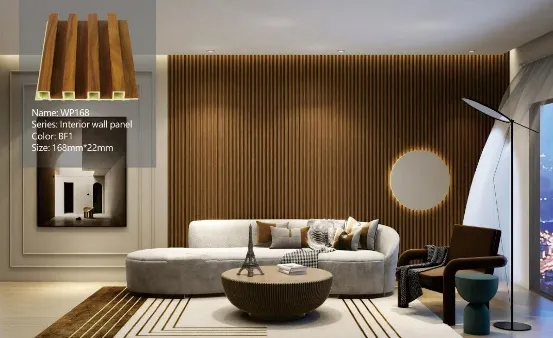
WPC isn't magic—it's smart engineering. At its core, Wood-Plastic Composite blends recycled wood fibers and plastic polymers, creating a material that borrows the best traits of both: the natural texture and warmth of wood, and the durability and water resistance of plastic. But what truly sets WPC wall panel solutions apart is how they're tailored to the unique needs of schools and universities.
Unlike solid wood, WPC won't warp in humid dorms or rot in damp art rooms. Unlike drywall, it won't crumble when a student accidentally kicks a locker. And unlike cheap PVC panels, it doesn't off-gas harmful chemicals or crack under impact. It's a material designed to keep up with the chaos of learning—without sacrificing safety, aesthetics, or sustainability.
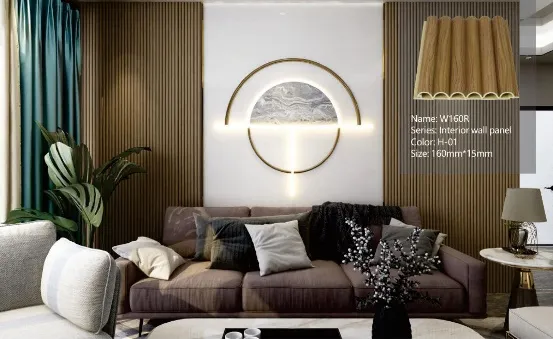
Let's dive into the specific benefits that make WPC a standout choice for educational buildings:
Imagine a middle school corridor after lunch period: students rushing, lockers slamming, backpacks swinging. Now imagine walls that stay flawless through it all. WPC panels are engineered to resist scratches, dents, and impacts, thanks to their high-density composite structure. In fact, most WPC products are rated to last 15+ years in high-traffic areas—no more repainting every 2-3 years or patching holes between semesters.
Take a university dorm bathroom, for example. Traditional drywall would quickly succumb to moisture, leading to mold and peeling paint. WPC panels, however, repel water entirely. Even with daily showers and steam, they stay intact, hygienic, and looking new. It's durability that translates directly to cost savings—money that can be redirected to scholarships, textbooks, or classroom technology.
When it comes to schools, safety isn't optional. WPC wall panels are designed with this in mind. Most products meet strict fire safety standards (often Class B or higher), meaning they slow flame spread and emit minimal smoke—critical in an emergency. Unlike some wood or PVC alternatives, WPC is also free from formaldehyde and heavy metals, ensuring indoor air quality stays healthy for students with asthma or allergies.
For schools in regions with strict building codes—like Saudi Arabia, where fire safety is a top priority—WPC offers peace of mind. It's a material that doesn't just meet regulations; it exceeds them, creating a safer environment for everyone inside.
Facility managers at schools have enough on their plates without adding "wall repairs" to the to-do list. WPC panels are a revelation here: they require almost no maintenance. Spilled paint? Wipe it off with a damp cloth. Marker graffiti? A little soap and water does the trick. Dents from a wayward chair? The panel's rigid core bounces back. No sanding, no repainting, no sealing—just simple, routine cleaning.
One high school in Jeddah reported cutting their annual wall maintenance budget by 65% after switching to WPC. "We used to have a full-time painter on staff," said the facility director. "Now, he spends his time on bigger projects—like upgrading labs and fixing HVAC systems. It's been a game-changer."
Schools shouldn't feel like sterile boxes—they should feel warm, inviting, and conducive to learning. WPC wall panels offer endless design flexibility, with textures and colors that mimic everything from oak and maple to modern concrete or stone. Want a calming blue accent wall in a reading room? A warm wood finish in a history classroom? WPC delivers.
And unlike painted walls that fade or wood that discolors, WPC retains its color and texture for years. This consistency creates a cohesive, polished look across campus—sending a message to students that their environment is cared for, which in turn encourages them to care for it too.
Today's students are deeply environmentally conscious, and schools have a responsibility to model sustainable practices. WPC wall panels align with this mission: most are made from recycled plastic (think: discarded water bottles, packaging) and responsibly sourced wood fibers, diverting waste from landfills. Plus, their long lifespan means fewer replacements, reducing overall material consumption.
For schools pursuing green building certifications (like LEED), WPC is a valuable asset. Its low-VOC emissions, recycled content, and energy-efficient manufacturing process contribute to points toward certification—turning the building itself into a teaching tool about sustainability.

Still on the fence? Let's compare WPC to the most common wall materials used in schools. The results speak for themselves:
| Factor | WPC Wall Panels | Drywall | Solid Wood | PVC Panels |
|---|---|---|---|---|
| Resistance to Damage | Highly resistant to scratches, dents, and moisture | Easily damaged by impacts; absorbs moisture | Prone to warping, splitting, and termite damage | Resists moisture but cracks under heavy impact |
| Fire Safety | Class B or higher fire rating; low smoke emission | Fire-resistant but crumbles when burned; toxic smoke | Flammable; requires chemical treatments | Moderate fire resistance; may release toxins when burned |
| Maintenance Cost | Low: $50–$100/year for cleaning | High: $500–$1,000/year for repairs/repainting | Very high: $800–$1,500/year for staining/sealing | Moderate: $200–$300/year for cleaning/replacement |
| Eco-Friendliness | Made with recycled materials; recyclable at end of life | Gypsum mining emits CO2; minimal recycled content | Requires logging; often treated with harsh chemicals | Made from non-renewable fossil fuels; not easily recyclable |
| Lifespan | 15–20 years | 3–5 years (before major repairs) | 8–10 years (with heavy maintenance) | 7–10 years |
WPC isn't a one-size-fits-all solution—it's a versatile material that adapts to every corner of a campus. Here are the spaces where it makes the biggest impact:
From kindergarten art rooms to university lecture halls, WPC panels stand up to markers, glue, and chair scrapes. Their sound-dampening properties also reduce echo, making it easier for students to hear teachers and participate in discussions.
Chemical spills, water experiments, and humidity are no match for WPC's moisture resistance. Unlike drywall, WPC won't absorb spills or harbor mold—keeping labs safe and hygienic.
High-traffic areas need tough walls. WPC panels resist scuffs from backpacks and lockers, and their smooth surface makes graffiti easy to remove—no more permanent marks or costly repaints.
Dorms are students' homes away from home, and WPC adds warmth with wood-like textures while resisting moisture from showers and laundry. Locker rooms stay mold-free, even with daily use.
Food splatters, steam, and spills wipe clean easily from WPC panels. They also resist odors, ensuring dining areas stay fresh and inviting all day long.
Don't just take our word for it—here are two schools that switched to WPC wall panel solutions and never looked back:
Riyadh Preparatory, a bustling elementary school with 600+ students, was tired of constant wall repairs. Their drywall corridors were covered in crayon marks, dents, and water stains from art class spills. The school was repainting every summer at a cost of $20,000—money that could have gone to new textbooks or playground equipment.
In 2021, they partnered with a local wpc wall panel supplier to install light gray WPC panels in corridors and art rooms. Three years later, the walls still look brand-new. Crayon marks wipe off with a damp cloth, and there's not a single dent in sight. "We haven't repainted once," said the principal. "The kids even comment on how 'nice and clean' the school looks. It's made a huge difference in morale."
KAUST was renovating its 30-year-old dormitories and wanted a solution that was durable, sustainable, and modern. The existing wood paneling was warped from humidity, and mold was a persistent issue in bathroom areas.
They chose WPC panels for bathroom walls and common areas. The panels' moisture resistance eliminated mold, and their sleek wood-grain finish gave the dorms a contemporary feel. Students love the upgrade: "It feels like living in a new apartment," one senior said. The university also appreciated the sustainability angle—80% of the WPC used was made from recycled plastic, helping KAUST meet its carbon-neutrality goals.
Not all WPC is created equal, and choosing the right supplier is key to getting the most out of your investment. Here's what to look for:
WPC panels are low-maintenance, but a little care goes a long way. Here's how to keep them looking great for decades:
That's it! No special tools, no expensive treatments—just simple, routine care that any school facility team can manage.
At the end of the day, choosing WPC wall panels for your school isn't just about walls. It's about investing in an environment that supports learning, protects students, and reflects the value you place on education. It's about freeing up budgets for what matters most: teachers, books, and opportunities for students.
WPC wall panel solutions are more than a material—they're a commitment to creating spaces that grow with your school, stand the test of time, and inspire everyone who walks through the doors. So why settle for walls that just "get by" when you can have walls that elevate every aspect of school life?
Ready to transform your school's walls? Reach out to a trusted wpc wall panel supplier today. Discuss your needs, explore designs, and take the first step toward a more durable, safe, and inspiring campus. Your students, staff, and budget will thank you.
Recommend Products











