

Walls take a beating. Rain, strong sunlight, humidity, and sharp swings in temperature slowly wear down most cladding materials. Solid wood warps, cracks, and rots; metal panels rust at the joints; painted surfaces fade and peel within a few seasons. For anyone planning a residential or commercial project, the real question is not whether walls will face the weather, but which material can stand up to it year after year without constant repairs. WPC wall panels have become a popular answer to that question, and for good reason.
WPC, short for wood-plastic composite, is made by blending wood fibers with recycled thermoplastics and a small amount of functional additives. The result is a material that keeps the warm, natural look of timber while gaining the toughness of plastic. Because the wood content is sealed inside a plastic matrix, WPC does not soak up moisture the way solid timber does, which is the root of most of its durability advantages.
A wall cladding system is expensive to install and disruptive to replace. Once panels are fixed to a facade, nobody wants to touch them again for a long time. That is why durability is the first thing experienced buyers look for. A panel that cracks under impact, swells after heavy rain, or loses its color after a single summer forces owners into a cycle of patching, repainting, and eventually full replacement.
WPC panels are engineered to avoid these failure modes. Their dense composite structure resists cracking and surface abrasion far better than natural wood, and they hold their shape under load. For large facades, balconies, and fencing runs, this dimensional stability matters a great deal: panels stay flat and joints stay tight, so the whole installation looks clean for years rather than months.
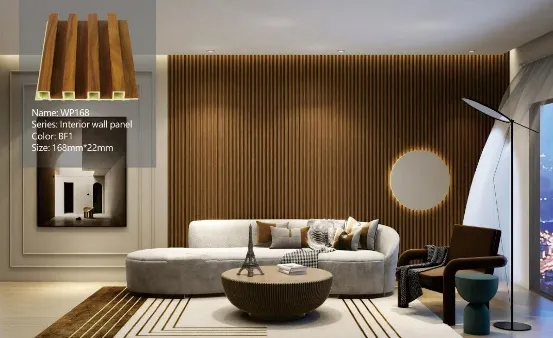
Weather resistance is where WPC wall panels truly separate themselves from traditional materials. Because the material absorbs almost no water, it does not swell, rot, or breed mold in humid conditions. This makes it a dependable choice for coastal areas, bathrooms, kitchens, and any space where moisture is a constant companion.
Sunlight is another common enemy of exterior walls. UV stabilizers are added to the formulation of quality WPC panels, slowing the fading and surface aging caused by prolonged exposure. High-grade panels keep their color and finish for many years outdoors, which is why they are increasingly specified for building facades in hot, sunny climates.
Temperature swings are handled just as well. Unlike timber, which expands and contracts noticeably with humidity, WPC has a low rate of expansion and contraction. It stays stable through freezing winters and scorching summers, so panels do not arch, warp, or pull apart at the seams. For projects in regions with extreme seasons, this reliability is a decisive advantage.
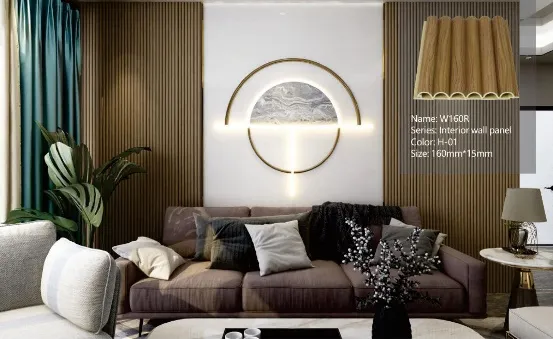
The maintenance burden of a facade is often underestimated at the planning stage. Solid wood needs regular painting, sealing, and pest treatment. Metal panels need rust protection. WPC, by contrast, needs almost none of that. A rinse with water now and then is enough to keep the surface looking fresh, and there is no need for chemical coatings or seasonal upkeep.
The material also offers natural resistance to insects and rot. Because it contains no structure that supports termites or fungal growth, it stays sound in gardens, waterfront areas, and other high-risk environments where timber would quickly fail. Over the full life of a building, lower maintenance and fewer replacements add up to a significantly lower total cost of ownership, even when the initial price of the panels is slightly higher than cheaper alternatives.
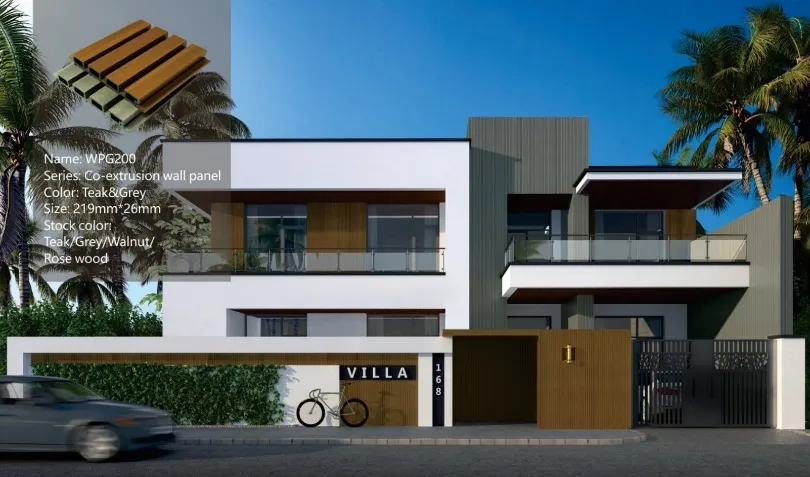
WPC wall panels are versatile enough for a wide range of applications. Homeowners use them for exterior cladding, balconies, garden walls, and privacy screens, where they combine a natural wood texture with weatherproof performance. Commercial projects turn to them for hotel facades, office buildings, and retail spaces that need to look polished while standing up to daily exposure and heavy use.
Because the panels are relatively lightweight and easy to cut and drill, installation is straightforward for both professionals and skilled DIY users. A simple joist and clip system fixes the panels in place quickly, which keeps labor costs down on large projects. This ease of handling is one more reason WPC keeps gaining ground in the cladding market.
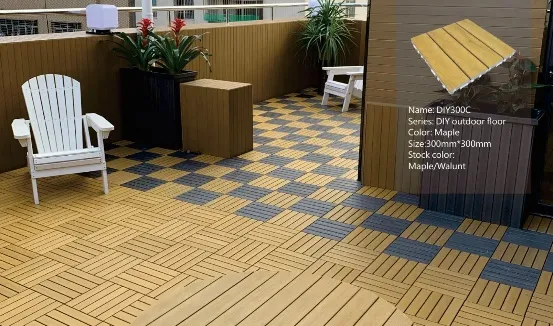
Not all WPC panels are created equal. The quality of the raw materials, the ratio of wood fiber to plastic, and the amount of UV stabilizer in the mix all affect how long a panel will last outdoors. Working with an experienced wpc wall panel supplier makes a real difference, because a factory with strict quality control can guarantee consistent thickness, color, and performance across every batch.
COLORIA GROUP is a one-stop building materials provider based in Foshan, China, with an overseas agent in Saudi Arabia and decades of combined industry experience. Beyond WPC wall panels, the company supplies a full range of interior and exterior solutions, including flooring, ceilings, windows and doors, sanitary fixtures, and customized furniture. This breadth of offering means buyers can source multiple materials for a single project from one accountable partner, simplifying procurement and keeping quality consistent across the build.
For architects, contractors, and developers looking for dependable wpc wall panel solutions, the company offers a wide selection of wall cladding products designed for both residential and commercial use. Whether the project calls for a modern flat finish or a wood-grain look, the panels are manufactured to hold up under real-world weather conditions while keeping installation and maintenance simple.
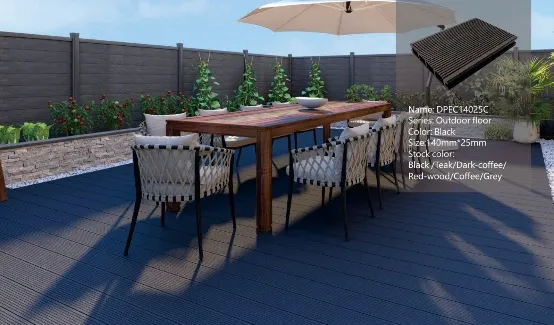
Durability and weather resistance are not optional extras in wall cladding; they are the qualities that determine whether a building looks good and stays sound over the long term. WPC wall panels deliver both, combining the appearance of wood with the toughness of an engineered composite. They resist moisture, hold their color in the sun, stay stable through temperature changes, and need very little upkeep.
For anyone planning a new build or renovation, it pays to choose materials that will not need replacing in a few years. A trusted wpc wall panel factory can supply panels that meet the demands of the local climate, backed by the experience and product range to support an entire project. With the right panels and the right partner, a wall can be built once and left to perform for decades.
Recommend Products











