

Separating fiction from reality to help you make informed choices for your space
In recent years, as homeowners, designers, and contractors seek smarter, more sustainable interior and exterior decoration materials, WPC wall panels have emerged as a top contender. Lightweight, versatile, and increasingly stylish, they've become a go-to option for residential and commercial projects alike. Yet, for all their growing popularity, there's still a cloud of misinformation surrounding them. As a residential building materials supplier with years of experience in wpc wall panel solutions , we've heard it all: "They're just cheap plastic!" "They won't last outdoors!" "They're bad for the environment!"
Today, we're setting the record straight. This article dives into the most common myths about WPC wall panels, pairing each with hard facts backed by industry expertise and real-world application. Whether you're renovating your home, designing a commercial space, or simply curious about modern building materials, read on to discover why WPC wall panels might be the solution you've been searching for.
| Myth | Fact | Why It Matters |
|---|---|---|
| WPC panels are "cheap plastic" and lack durability. | WPC is a wood-plastic composite: strong, moisture-resistant, and built to last 15+ years. | Avoids wasting money on short-lived materials; ensures long-term value. |
| WPC is harmful to the environment. | Most WPC uses recycled materials and emits low VOCs; it's a sustainable alternative to wood. | Reduces your carbon footprint and supports eco-friendly building practices. |
| WPC panels have limited design options. | Modern WPC comes in hundreds of textures, colors, and finishes, mimicking wood, stone, and more. | Lets you achieve your desired aesthetic without compromising on functionality. |
| WPC is difficult to install and requires pros. | Lightweight and DIY-friendly; many panels use snap-fit systems for quick installation. | Saves on labor costs and speeds up renovation timelines. |
| WPC is too expensive for budget projects. | Higher upfront cost than drywall, but lower long-term maintenance makes it cost-effective. | Avoids hidden costs like repainting, staining, or replacing warped panels. |
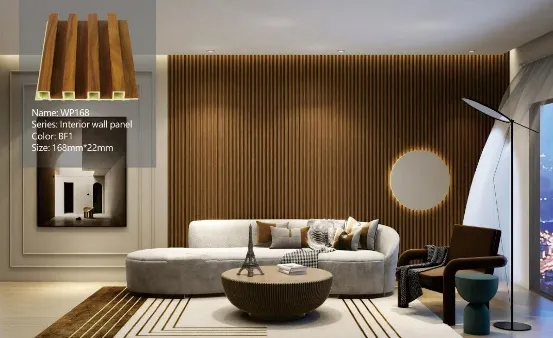
Walk into a hardware store, and you might see flimsy plastic panels that bend under pressure—easy to dismiss as "cheap." It's no wonder many people lump WPC wall panels into that category. But here's the truth: WPC, or wood-plastic composite, is a far cry from that thin, brittle plastic.
WPC panels are made by blending recycled wood fibers (like sawdust or wood chips) with thermoplastic resins (often recycled HDPE or PP). This mixture is heated, compressed, and extruded into dense, rigid panels. The result? A material that borrows the best of both worlds: the natural look and feel of wood, and the moisture resistance and durability of plastic.
Unlike solid wood, WPC doesn't warp, crack, or rot when exposed to moisture. That's why it's a favorite for bathrooms, kitchens, and even exterior walls in rainy or humid climates. Pest resistance is another bonus—termites and rodents have no interest in chewing through WPC, unlike wood. And when it comes to impact? drop a heavy tool on a WPC panel, and chances are it'll just leave a small scratch, not a gaping hole. Most manufacturers back their WPC panels with 10–15 year warranties, a testament to their durability.
Take, for example, a beach house in Florida. Traditional wood siding there might need replacement every 5–7 years due to humidity and saltwater. A homeowner who installed WPC exterior wall panels 12 years ago recently told us their panels still look new—no peeling paint, no rot, just a quick hose-down to keep them clean. That's the kind of durability we're talking about.
"Plastic is bad for the planet," goes the common refrain. So if WPC contains plastic, it must be eco-unfriendly, right? Not so fast.
Let's break it down: Most WPC manufacturers use recycled plastic (think old milk jugs or detergent bottles) and recycled wood waste that would otherwise end up in landfills. By diverting these materials from waste streams, WPC reduces the need for virgin plastic production and saves trees from being cut down for solid wood panels.
VOC emissions are another key point. Unlike some pressed wood products (like particleboard or MDF), WPC panels are manufactured without formaldehyde or harsh chemicals. That means better indoor air quality for your home or office. And when a WPC panel reaches the end of its life? Many are recyclable, closing the loop on sustainability.
Compare that to solid wood: Deforestation remains a critical issue, and treating wood with preservatives (to make it moisture-resistant) often involves toxic chemicals. WPC skips all that, making it a greener choice for eco-conscious builders and homeowners.
Early WPC panels had a reputation for looking… well, fake. Think shiny, plastic-like wood grain that screamed "artificial." But that was decades ago. Today's WPC technology has come a long way—and the design possibilities are practically endless.
Modern manufacturing techniques let wpc wall panel suppliers create panels that mimic the look and texture of almost any material. Want the warmth of oak? There's a WPC panel with realistic wood grain, complete with knots and subtle color variations. Prefer the sleekness of stone? You can find WPC panels that look like marble, granite, or even stacked stone—without the weight or cost of real stone.
Colors? From soft neutrals to bold hues, the palette is vast. Textures range from smooth to rough-hewn, giving designers the flexibility to create accent walls, feature ceilings, or entire room makeovers. And because WPC is easy to cut and shape, custom designs are possible too—arches, curves, or intricate patterns that would be hard (and expensive) to achieve with traditional materials.
Take a residential project we worked on last year: A homeowner wanted a rustic cabin vibe in their city apartment. We installed WPC panels with a weathered barnwood finish on the living room wall. Guests often mistake it for real reclaimed wood—until they touch it and realize how smooth and easy to clean it is. That's the magic of modern WPC design.
"If it's that durable, it must be heavy and hard to put up," is a common assumption. But WPC panels are actually designed with installation in mind—even for DIYers with basic skills.
WPC panels are significantly lighter than solid wood, stone, or even cement board. A standard 4x8-foot WPC panel weighs around 30–40 pounds, making it easy for one person to carry and maneuver. Most panels also feature interlocking edges —think Lego blocks for walls. Just snap them together, secure with screws or adhesive, and you're done.
No need for special tools, either. A basic circular saw, drill, and level are all you need. Compare that to tiling, which requires mortar, grout, and precise cutting, or installing solid wood panels, which often need sanding, staining, and sealing. With WPC, a small bathroom wall can be paneled in a weekend—even by someone with minimal DIY experience.
For larger projects, professional installers appreciate the speed too. A crew can cover an entire house exterior with WPC panels in days, not weeks, reducing labor costs and project timelines.
It's true: WPC panels often cost more upfront than drywall or plywood. A sheet of drywall might run $10–$15, while a WPC panel could be $30–$50. At first glance, that seems like a big jump. But renovation costs aren't just about the initial price tag—they're about the long-term investment.
Let's do the math. Drywall is cheap, but it's fragile. A single hole from a doorknob or furniture scratch means patching, sanding, and repainting—costing time and money. Wood panels need annual staining or painting to protect against moisture and UV rays, adding $100s to your maintenance budget over the years. Stone or tile? Heavy, expensive to install, and prone to cracking if not sealed properly.
WPC panels? They're low-maintenance . A quick wipe with a damp cloth is usually all it takes to clean them. No painting, staining, or sealing required. And because they're durable, you won't be replacing them every 5–7 years like you might with wood or drywall. Over a 15-year lifespan, WPC often ends up costing less than traditional materials when you factor in maintenance and replacement costs.
Plus, WPC can increase your home's value. Buyers love low-maintenance, stylish features—and walls that look new for years. It's an investment that pays off both in daily living and at resale time.
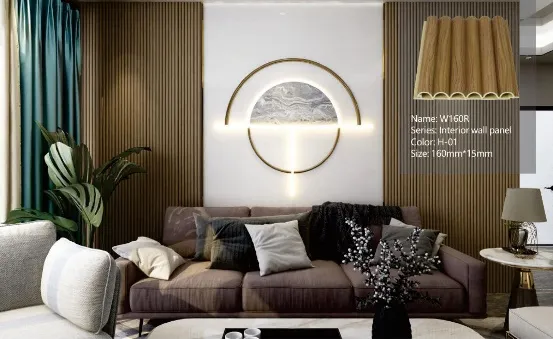
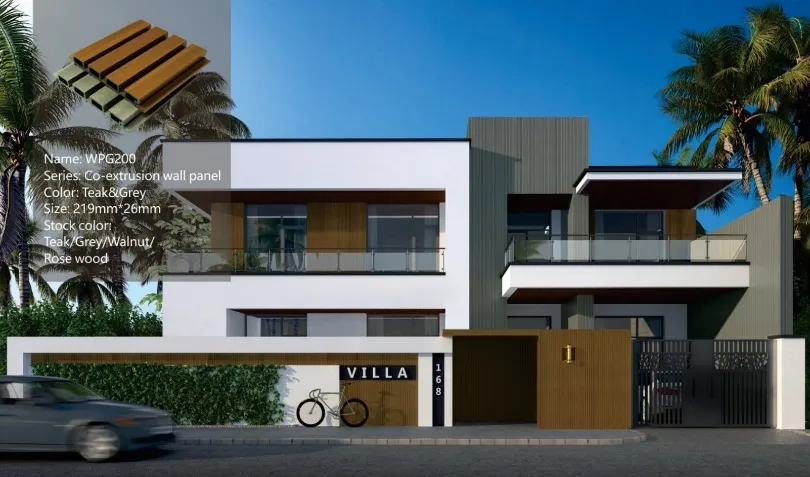
Now that we've debunked the myths, let's explore where WPC wall panels shine. Their versatility makes them suitable for both interior decoration materials and exterior decoration materials —here are some of our favorite applications:
Not all WPC wall panels are created equal—and neither are suppliers. To ensure you get a quality product that lives up to its promises, look for these key traits in a wpc wall panel supplier :
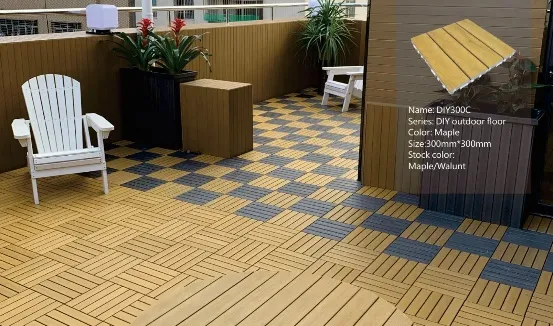
WPC wall panels have come a long way from their early days, and the myths surrounding them are just that—myths. They're durable, eco-friendly, stylish, easy to install, and cost-effective in the long run. Whether you're a homeowner updating your living room, a designer working on a commercial project, or a builder seeking reliable residential building materials , WPC panels offer a solution that checks all the boxes.
The next time you hear someone dismiss WPC as "cheap plastic" or "not worth the cost," share what you've learned here. And when you're ready to start your project, partner with a trusted wpc wall panel supplier who can guide you through the process—from choosing the right panels to installation. Your walls (and your wallet) will thank you.
Recommend Products











