

Walk into any bustling commercial space—whether it's a hotel lobby teeming with guests dragging suitcases, a restaurant kitchen where servers rush with trays, or a shopping mall where kids run past storefronts—and you'll quickly realize: the walls aren't just there to divide rooms. They're silent workhorses, taking daily hits from carts, chairs, and the chaos of human activity. For business owners and architects, choosing the right wall panels isn't just about aesthetics; it's about finding materials that can keep up with the pace of commercial life. That's where WPC wall panels step in—and why partnering with a trusted supplier matters more than you might think.
Let's start with a scenario many commercial property managers know all too well: You open a new café, splurging on trendy painted drywall to keep costs low. Six months later, a delivery cart scrapes a 2-foot gash in the wall near the entrance. A year in, water damage from a leaky AC unit has left a stained patch in the restroom. By year two, you're budgeting for repaints and repairs—money that could have gone into better coffee machines or staff training. The problem? Traditional wall materials like drywall or solid wood aren't built for the unpredictable energy of commercial environments .
Commercial spaces demand materials that laugh off the little accidents and stand strong through the big ones. They need panels that resist moisture in kitchens and bathrooms, fend off scratches from furniture, and don't fade under harsh lighting. And in today's world, they also need to align with sustainability goals—because clients and communities care about the environmental footprint of the buildings they frequent. This is where WPC (Wood-Plastic Composite) wall panels emerge as a game-changer.
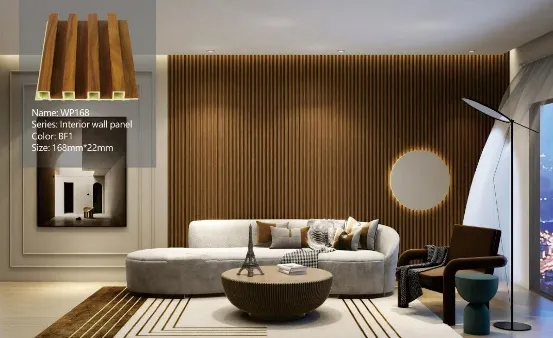
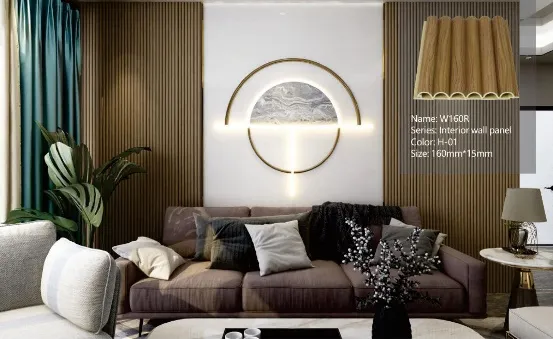
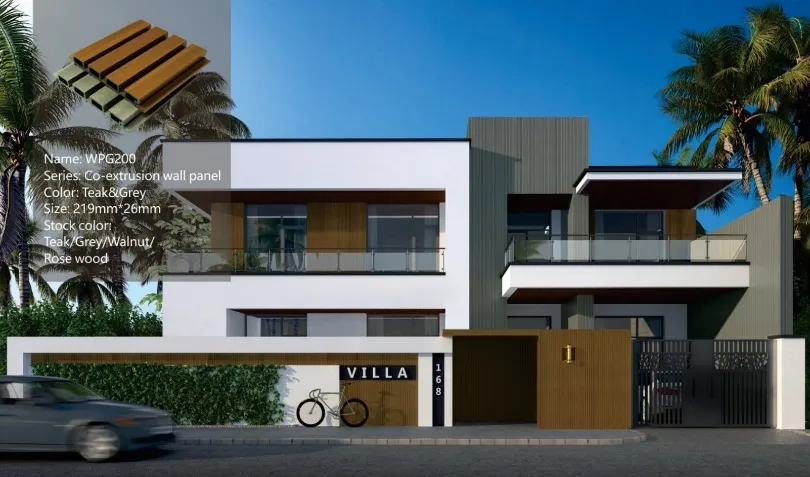
WPC wall panels are a blend of wood fibers and recycled plastic, engineered to combine the best of both worlds: the warmth and texture of wood, with the durability of plastic. But let's break down why this matters for your project:
But here's the thing: Not all WPC panels are created equal. The quality depends on the manufacturing process, the ratio of wood to plastic, and the additives used for strength and UV resistance. That's why choosing a supplier with expertise in commercial building materials —one that understands the unique demands of high-traffic spaces—is critical.
Imagine you're an architect working on a mixed-use development in Riyadh. You need wall panels for the retail area, flooring for the offices, kitchen appliances for the food court, and solar panels for the rooftop. Coordinating with 10 different suppliers—each with their own lead times, quality standards, and communication styles—sounds like a logistical nightmare. Delays in one shipment could derail the entire project timeline. This is where the "one-stop" approach transforms stress into simplicity.
A one-stop architectural solution provider doesn't just sell wall panels—they integrate every piece of the puzzle, from foundation to finishing touches. For example, Coloria, with its 14 product categories spanning solar panels to custom furniture, acts as a single point of contact for all your building material needs. This means:
| Traditional Multi-Supplier Approach | One-Stop Solution (Coloria) |
|---|---|
| Multiple contracts, invoices, and communication channels | Single contract, unified invoicing, dedicated project manager |
| Risk of mismatched materials (e.g., flooring that clashes with wall panels) | Coordinated design support to ensure aesthetic and functional harmony |
| Unpredictable lead times (delays from one supplier delay the whole project) | Streamlined logistics with global warehouses, reducing delivery gaps |
| Higher costs due to middlemen and shipping redundancies | Cost savings through bulk purchasing and direct manufacturer relationships |
For commercial projects, this level of integration isn't just convenient—it's strategic. It lets you focus on design and client relationships, knowing the materials side is handled by a team that's invested in your project's success from start to finish.
The Middle East's commercial construction boom is impossible to ignore. Saudi Arabia, in particular, is racing toward its 2030 Vision —a plan to diversify the economy and build world-class cities, from NEOM to Riyadh's King Abdullah Financial District. But with this growth comes unique challenges: extreme temperatures (summer highs often exceed 45°C), strict local building codes, and a focus on creating jobs for Saudi nationals.
This is where a Saudi Arabia building materials supplier with on-the-ground experience makes all the difference. Coloria's decades of presence in the region—with a local agency in Saudi Arabia—means they understand the nuances of the market. For example, WPC wall panels supplied for a Riyadh mall aren't just standard products; they're tested to withstand the country's intense UV rays to prevent fading. When working on government projects, the team knows how to navigate local certification requirements, ensuring materials meet Saudi Standards (SASO) without delays.
Local expertise also extends to cultural considerations. For instance, in hospitality projects like hotels or resorts, clients often want designs that blend modernity with traditional Saudi aesthetics. Coloria's team, familiar with local design preferences, can recommend WPC panel finishes that mimic the look of traditional stone or wood, creating spaces that feel both global and rooted in local culture.
Let's walk through a typical project to see how Coloria's WPC wall panel solutions come to life. Say you're a developer building a 50-room boutique hotel in Jeddah. Here's how the process might unfold:
This end-to-end support is what sets apart a supplier from a true partner. Coloria's focus on "global customer satisfaction" isn't just a slogan—it's built into every step, from the first design consultation to years after the project is complete.
Saudi Arabia's 2030 Vision isn't just about economic diversification—it's about building a more sustainable future. This includes reducing carbon emissions, investing in green technologies, and creating jobs for Saudi citizens. For building material suppliers, this means aligning products and practices with these goals—and Coloria is already ahead of the curve.
WPC wall panels are a prime example of sustainable building solutions in action. By using recycled plastic (which would otherwise end up in landfills) and sustainably harvested wood fibers, they reduce reliance on virgin materials. Coloria also offers a range of "green" (green building materials) beyond WPC, including solar panels and energy-efficient lighting, making it easy for projects to earn LEED or Estidama certifications.
But sustainability at Coloria goes beyond products. The company's investment in local talent development aligns with Saudi's goal of increasing employment for its citizens. In Saudi Arabia, their team includes Saudi engineers and project managers who understand both global best practices and local needs. This not only speeds up project timelines but also contributes to the growth of the country's construction sector from within.
For clients, this means more than just checking a "sustainability box." It means partnering with a supplier who's invested in the long-term success of the communities where they operate—a partner who won't just deliver materials, but will grow with you as Saudi's built environment evolves.
At the end of the day, what makes a building material supplier stand out? It's not just the quality of the products—it's the peace of mind they provide. Here's why clients across the Middle East and beyond choose Coloria for their commercial projects:
Commercial building is a team sport—and your materials supplier should be one of your most reliable teammates. With Coloria, you're not just getting WPC wall panels; you're getting a partner who's invested in the success of your project, your business, and the communities you serve.
Commercial spaces are more than just buildings—they're hubs of activity, innovation, and connection. The materials you choose shape how these spaces feel, function, and endure over time. WPC wall panels offer a smart, sustainable solution for the high-impact demands of commercial life, but their true value shines when paired with a supplier who understands the bigger picture.
Coloria's role as a one-stop architectural solution provider —with deep roots in Saudi Arabia, a commitment to sustainability, and a focus on client success—makes them more than just a vendor. They're a partner who helps you turn your vision into a space that not only looks great today but stands strong for years to come. Because in commercial construction, the best projects aren't just built—they're built to last.
Recommend Products











