

Walk into any space—whether it's a cozy family home, a sleek corporate office, or a bustling hotel lobby—and the walls are often the first element that catches your eye. They're not just structural; they're the canvas on which the entire aesthetic of a building is painted. In recent years, as architects and designers push for more personalized, cohesive spaces, the demand for customizable wall solutions has skyrocketed. Among the materials leading this charge? Wood-Plastic Composite (WPC) wall panels. More than just a durable, eco-friendly choice, WPC panels offer a world of color customization possibilities, allowing projects to move beyond "one-size-fits-all" tones and truly align with unique design visions. As a wpc wall panel supplier with years of experience, we've seen firsthand how the right color can transform a space from ordinary to unforgettable. Let's dive into how WPC wall panel color customization works, why it matters, and how it can elevate both interior decoration materials and exterior decoration materials in any project.
Before we get into the colors, let's talk about the material itself. WPC—short for Wood-Plastic Composite—is a blend of wood fibers, plastic, and additives. This unique composition gives it the best of both worlds: the warm, natural look of wood and the durability of plastic. Unlike traditional wood panels, WPC resists moisture, rot, and pests, making it ideal for both indoor and outdoor use. It's also low-maintenance (no need for frequent painting or sealing) and eco-friendly, often made from recycled materials. But what truly sets WPC apart in today's design landscape is its adaptability—especially when it comes to color.
Think of it this way: if traditional wall materials are like buying a pre-made cake from the store, WPC panels are like baking a cake from scratch, where you get to pick the flavor, frosting, and decorations. As a wpc wall panel solutions provider, we've worked with clients who wanted panels that mimic the rich amber of teak, the cool gray of concrete, or even bold, vibrant hues like forest green or navy blue. The key? WPC's manufacturing process allows for color to be integrated directly into the material during production, ensuring it doesn't chip, fade, or peel easily—unlike paint applied after installation.
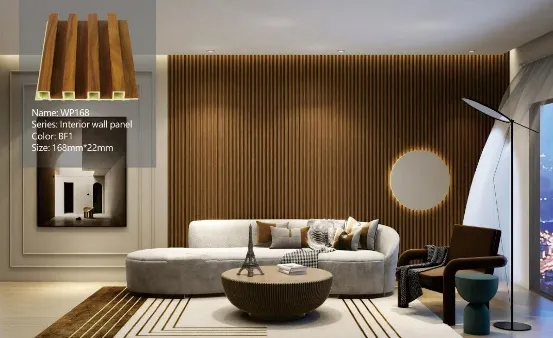
Color isn't just about looks; it's about feeling. Imagine walking into a hospital room painted bright red—it might feel overwhelming, even stressful. Now picture that same room in soft blue or muted green: suddenly, it feels calm, reassuring. That's the power of color psychology, and it's a critical factor in wall panel customization. A one-stop architectural solution provider doesn't just supply materials; they help clients understand how color choices can influence mood, productivity, and even brand perception.
For example, warm tones like beiges, soft browns, and terracottas are often favored in residential projects because they evoke comfort and intimacy. They make a living room feel welcoming or a bedroom feel cozy. On the flip side, cool tones—grays, whites, and light blues—are staples in commercial spaces like offices or hospitals. They convey professionalism, cleanliness, and calm, which can boost focus in work environments or reduce anxiety in healthcare settings. Even bold accents, like a deep purple or burnt orange panel, can be used strategically to highlight focal points, such as a feature wall in a restaurant or a reception area in a hotel.
Pro Tip: When choosing colors, consider the space's function first. A kindergarten might thrive with playful pastels, while a law firm may opt for timeless neutrals. Always test color samples in the actual space—lighting (natural vs. artificial) can drastically change how a hue appears!
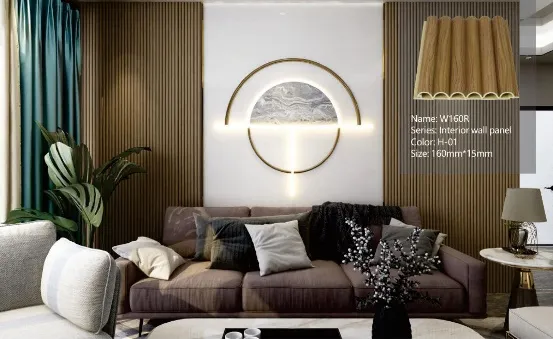
Color customization isn't a one-and-done process. The perfect shade for an interior wall might not work for an exterior one, and vice versa. Let's break down the key factors that influence color choices for WPC wall panels, depending on whether they're used indoors or outdoors.
Indoors, color is all about creating a specific atmosphere. Lighting here is more controlled—think ceiling lights, floor lamps, or natural light filtered through windows—but it still plays a big role. For instance, a warm yellow WPC panel might look inviting under incandescent bulbs but too harsh under cool LED lighting. That's why many wpc wall panel supplier teams offer color sampling services, letting clients see how shades behave in different lighting conditions before finalizing.
Another indoor consideration is the room's size. Lighter colors (soft whites, pale grays) can make small spaces feel larger and airier, while darker tones (deep blues, charcoal) add depth and coziness to larger rooms. Texture matters too: a matte finish in a light color can reduce glare in a sunlit kitchen, while a subtle gloss might add elegance to a dining room accent wall.
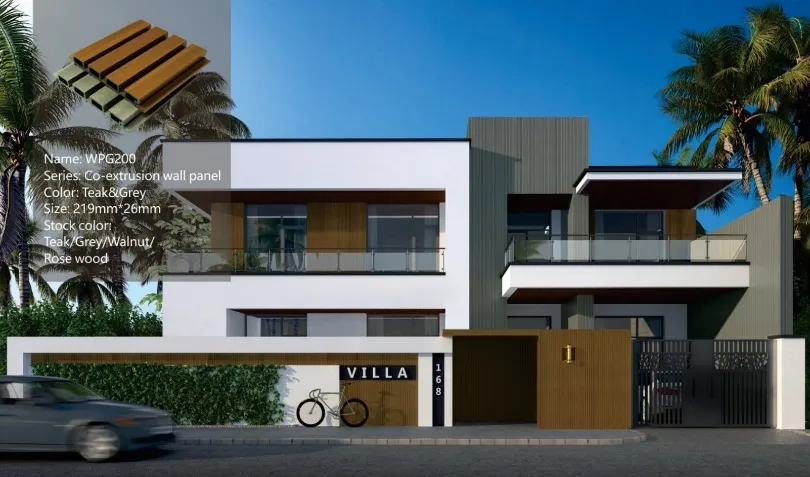
Exterior WPC panels face a harsher environment: UV rays, rain, humidity, and temperature fluctuations. These elements can cause colors to fade over time—unless the right pigments and protective coatings are used. As a result, exterior color customization often prioritizes fade-resistant formulations. Earthy tones like warm browns, stone grays, and forest greens are popular here because they not only blend with natural surroundings but also hide minor weathering better than lighter shades.
Architects also consider the building's surroundings. A beachfront property might use soft blues and whites to complement the ocean, while a mountain lodge could lean into rich browns and greens to mirror the landscape. Branding is another factor: a retail store might opt for bold, company-specific colors on its exterior panels to stand out in a busy shopping district.
So, you've got a vision for your project's color scheme—how does it actually become reality? Working with a wpc wall panel solutions provider that specializes in customization typically involves a collaborative, step-by-step process:
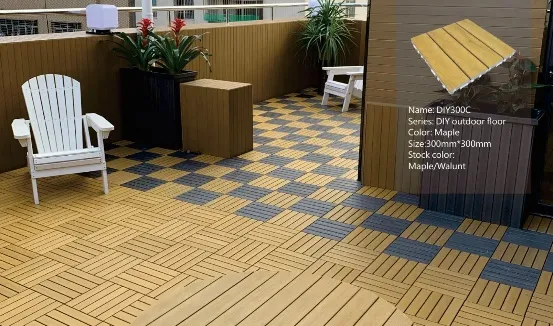
To better understand how WPC color customization works in practice, let's explore a few case studies across different project types. These examples show how the right color choices, paired with WPC's durability, can elevate both form and function.
A client in Riyadh wanted their new home's living room to feel like a "hug"—warm, inviting, and connected to nature. They chose WPC panels in a custom "sandy oak" hue: a soft, golden brown with subtle wood grain texture. The panels were installed on the main wall behind the sofa, paired with neutral furniture and warm lighting. The result? A space that feels both modern and timeless, with the color adding just enough warmth without overwhelming the room.
A tech startup in Jeddah needed an office that reflected its innovative brand. They opted for WPC panels in a custom "slate gray" with a matte finish for the open workspace walls. The cool, neutral tone pairs with the company's blue logo accents and white furniture, creating a clean, distraction-free environment. The panels' durability also means they'll stand up to daily wear and tear from employees and clients.
A boutique hotel in Dubai wanted to create Instagram-worthy guest rooms. They worked with a one-stop architectural solution provider to design custom WPC panels in a deep "sapphire blue" with a subtle metallic sheen for the headboard wall. The bold color adds drama, while the WPC material ensures it stays vibrant even with frequent cleaning. Paired with gold fixtures and soft lighting, the walls have become a signature feature of the hotel's brand.
| Color Palette | Best For (Project Type) | Finish | Indoor Durability | Outdoor Durability |
|---|---|---|---|---|
| Warm Neutrals (Beige, Sandy Oak, Soft Brown) | Residential Homes, Cafés, Hotels | Matte/Textured | Excellent (resists staining, easy to clean) | Good (fade-resistant, blends with nature) |
| Cool Tones (Slate Gray, Light Blue, Charcoal) | Offices, Hospitals, Retail Stores | Matte | Excellent (reduces glare, professional look) | Very Good (UV-stable, hides weathering) |
| Earthy Hues (Forest Green, Terracotta, Stone) | Exterior Facades, Resorts, Rural Buildings | Natural/Matte | Good (adds warmth to large spaces) | Excellent (high fade resistance, blends with landscape) |
| Bold Accents (Sapphire Blue, Burgundy, Emerald Green) | Accent Walls, Hospitality, Retail | Satin/Gloss | Good (requires careful maintenance) | Fair (may fade over time; best for shaded exteriors) |
Beyond aesthetics, color customization offers tangible benefits for projects of all sizes:
Color customization is only as good as the supplier behind it. When selecting a wpc wall panel supplier , look for a one-stop architectural solution provider that offers more than just materials. The best partners have in-house design teams, state-of-the-art production facilities, and a track record of delivering custom projects on time. They'll guide you through color selection, help you navigate indoor/outdoor challenges, and ensure the final product meets both your aesthetic and functional needs.
Don't be afraid to ask for references or case studies. A supplier that's proud of their work will happily share examples of past custom projects, from small residential accent walls to large commercial exteriors. You'll also want to inquire about warranty coverage—reputable suppliers stand behind their color durability with multi-year guarantees.
In the world of architecture and design, details matter—and color is one of the most powerful details of all. WPC wall panels, with their endless color customization options, offer a way to turn ordinary walls into extraordinary design statements. Whether you're designing a home that feels like a personal sanctuary, an office that inspires productivity, or a commercial space that wows customers, the right color can make all the difference.
As the demand for personalized spaces grows, so too will the innovation in WPC color technology. From AI-driven color matching tools to even more durable, eco-friendly pigments, the future of WPC wall panel customization is bright. So, the next time you're planning a project, don't settle for "off the shelf." Work with a supplier who sees your vision—and has the expertise to paint it into reality.
Recommend Products











