

Walk into any modern home, office, or commercial space today, and you'll notice something different about the walls. Gone are the days of plain paint or basic drywall—today's interiors demand walls that do more: protect, impress, and adapt. Whether you're renovating a small apartment in Riyadh or designing a sprawling commercial complex, the choice of wall panels can make or break the project. But with so many options flooding the market, it's easy to feel overwhelmed. Two names often rise to the top: WPC and PVC wall panels. Both promise durability and style, but how do they really stack up? And why is partnering with a specialized wpc wall panel supplier becoming the go-to move for smart builders and designers?
Let's start with the basics. Wall panels are more than just decorative—they're functional layers that cover walls, adding insulation, protection, and aesthetic appeal. When we talk about WPC and PVC, we're referring to two distinct materials, each with its own story.
PVC Wall Panels: PVC, or polyvinyl chloride, is a synthetic plastic polymer you've probably encountered in everything from pipes to flooring. PVC wall panels are made by melting and molding PVC resin into thin, rigid sheets. They're lightweight, water-resistant, and budget-friendly, which is why they've been a staple in low-cost renovations for decades. Think of them as the "quick fix" option—easy to install, but with limitations we'll unpack later.
WPC Wall Panels: WPC stands for wood-plastic composite. As the name suggests, it's a blend of wood fibers (often recycled sawdust or wood flour) and plastic polymers (like polyethylene or polypropylene), mixed with additives for strength and durability. The result? A material that marries the best of both worlds: the natural look and feel of wood, with the water resistance and longevity of plastic. WPC panels are denser, more rigid, and designed to handle the wear and tear of busy spaces—from family homes to high-traffic offices.
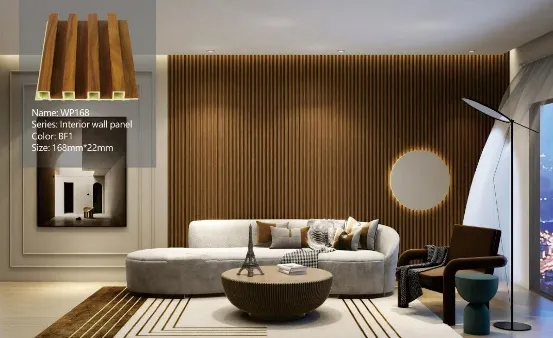
To truly understand the difference, let's put them side by side. Below is a breakdown of how WPC and PVC wall panels compare across key categories that matter most to builders, homeowners, and designers.
| Feature | PVC Wall Panels | WPC Wall Panels |
|---|---|---|
| Durability | Prone to cracking or warping under impact; can become brittle in extreme temperatures (common in Saudi Arabia's hot climate). | High impact resistance; resists warping, cracking, and fading even in harsh weather or high-traffic areas. |
| Moisture Resistance | Water-resistant but not fully waterproof; prolonged exposure to humidity (e.g., bathrooms) can lead to mold growth behind panels. | Naturally waterproof due to plastic content; ideal for bathrooms, kitchens, and basements where moisture is a concern. |
| Eco-Friendliness | Made from non-biodegradable plastic; often not recyclable and can release harmful VOCs (volatile organic compounds) over time. | Contains recycled wood fibers and plastic, reducing reliance on virgin materials; many WPC panels are low-VOC and recyclable at the end of their lifecycle. |
| Aesthetics | Limited design options; tends to look "plastic-like" with a shiny, artificial finish; few texture variations. | Mimics natural materials like wood, stone, or marble with realistic textures and grains; available in matte, gloss, or wood-grain finishes to suit any interior style. |
| Maintenance | Easy to clean with soap and water, but scratches and dents are visible and hard to repair; discoloration can occur with UV exposure. | Scratch-resistant surface; minor damages can often be sanded or touched up; UV-stable formulas resist fading, even in sunlit rooms. |
| Installation | Lightweight and easy to cut, but requires precise handling—too much pressure can crack the panels. | Slightly heavier, but designed with tongue-and-groove systems for seamless, tool-free installation; less risk of breakage during fitting. |
| Cost | Lower upfront cost; budget-friendly for short-term projects or temporary spaces. | Higher initial investment, but lower long-term costs due to longer lifespan (15–20 years vs. 5–8 years for PVC). |
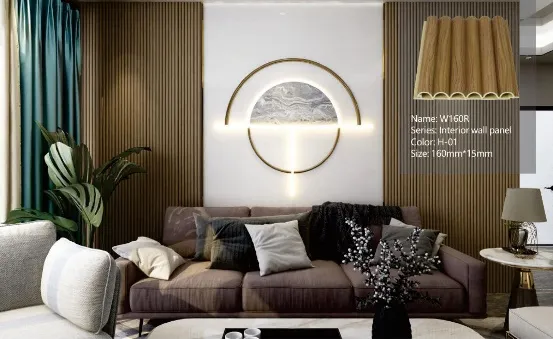
At first glance, PVC might seem like the "cheaper" choice, but smart builders know better. Let's dive into why WPC is quickly becoming the material of choice for forward-thinking projects.
1. They're Built to Last (Really Last): WPC panels are engineered for longevity. Unlike PVC, which can start to crack or warp after just a few years, WPC panels hold up in high-traffic areas like hallways, kids' rooms, or commercial lobbies. I recently spoke with a hotel manager in Jeddah who switched to WPC panels in their guest bathrooms—after 5 years, the panels still look brand-new, with zero signs of water damage or peeling. "We used to replace PVC panels every 3 years," they told me. "WPC was a bigger upfront cost, but it's paid for itself in savings."
2. Eco-Friendliness Matters (More Than Ever): Today's clients—especially in Saudi Arabia's growing green building sector—care about sustainability. WPC panels reduce waste by using recycled wood and plastic, and many manufacturers (like the best wpc wall panel suppliers ) prioritize low-VOC production to keep indoor air quality high. PVC, on the other hand, is made from non-renewable resources and can off-gas harmful chemicals, making it a poor fit for eco-conscious projects like schools or hospitals.
3. Design Versatility That Sparks Creativity: PVC panels often look… well, plastic. They come in limited colors and textures, and the shiny finish can feel cheap in upscale spaces. WPC panels, though? They're a designer's dream. Want the warm look of oak in a modern apartment? Or the sleek texture of stone in a minimalist office? WPC delivers. Manufacturers can emboss, paint, or stain WPC to mimic natural materials, making it easy to match any interior theme—from traditional to futuristic.
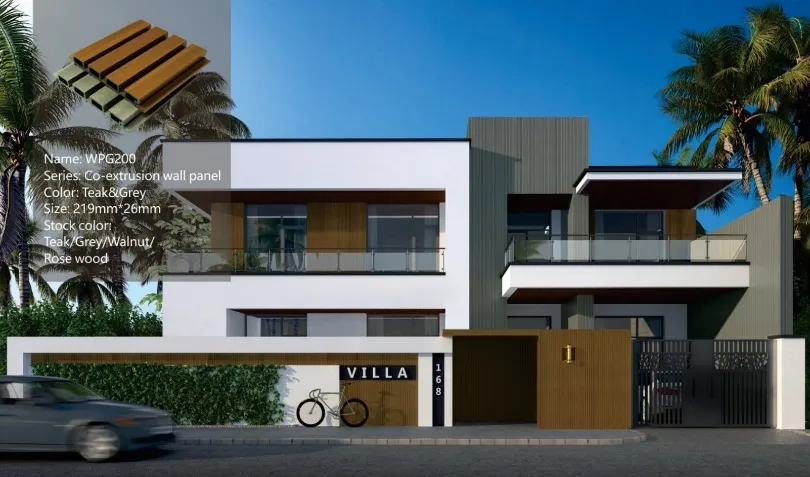
Okay, so WPC panels sound great—but can't you just buy them from any general building materials store? Sure, but here's the catch: not all WPC panels are created equal. And working with a wpc wall panel supplier who specializes in this material can turn a good project into a great one. Here's why:
General suppliers might stock WPC panels, but they rarely understand the science behind them. A specialized supplier lives and breathes WPC. They know how different wood-plastic ratios affect durability, which additives work best for Saudi Arabia's humid climate, and how to tailor panels to specific project needs. For example, if you're building a beachfront villa in Jeddah, they'll recommend WPC with extra UV protection to prevent fading. If you're designing a hospital, they'll highlight fire-retardant options (yes, WPC can be treated for fire safety!). This level of expertise ensures you're not just buying panels—you're getting wpc wall panel solutions that fit your project like a glove.
Cookie-cutter panels work for basic renovations, but standout projects demand something unique. Specialized suppliers offer customization options you won't find elsewhere: custom colors to match your brand palette, unique textures (like reclaimed wood or polished stone), even custom sizes for non-standard wall dimensions. Imagine designing a hotel lobby with WPC panels that feature your logo subtly embossed into the texture—only a specialized supplier can pull that off.
WPC manufacturing is a precise process. A tiny miscalculation in the wood-plastic ratio, or a shortcut in the additive mix, can lead to panels that warp, crack, or fade prematurely. Specialized suppliers invest in rigorous testing—checking for moisture resistance, impact strength, and UV stability—before their panels hit the market. They'll even provide certifications (like ISO or CE) to back up their claims. General suppliers, by contrast, often source panels from the cheapest manufacturers, with little oversight. Why risk your project on mystery panels when you can work with a supplier who guarantees quality?
A great wpc wall panel supplier doesn't just stop at panels. They understand that walls are part of a bigger ecosystem. Many offer complementary products like trim pieces, adhesives, or even matching flooring solutions (yes, WPC makes excellent flooring too!). This means you can coordinate your walls and floors for a cohesive look, without juggling multiple vendors. It's the kind of convenience that saves time, reduces errors, and keeps your project on track.
Ever bought a product, only to be ghosted when you have a question? We've all been there. Specialized suppliers build relationships, not just sales. They'll help with installation tips, troubleshoot issues (like a panel that doesn't fit quite right), and even offer warranties that cover defects. For example, if a panel warps within the first year—a rare occurrence with quality WPC—a specialized supplier will replace it, no questions asked. That peace of mind is priceless, especially for large-scale projects where delays or mistakes cost big money.
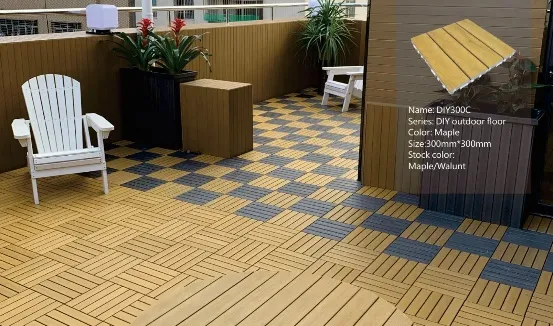
Still on the fence? Let's look at a few examples of how WPC panels and specialized suppliers have made a difference:
Residential Renovation in Riyadh: A family wanted to update their bathroom walls. They initially considered PVC panels for the low cost, but their wpc wall panel supplier pointed out that PVC's lack of breathability could lead to mold in Saudi Arabia's humid summers. They opted for WPC panels instead. Five years later, the bathroom walls still look new, with no sign of mold or warping—even with daily showers and steam.
Commercial Office in Dubai: A tech startup wanted a modern, eco-friendly office. Their specialized supplier recommended WPC panels with a wood-grain finish to warm up the space, paired with matching WPC flooring. The result? A cohesive, sustainable office that impressed clients and boosted employee morale. Plus, the supplier helped source recycled WPC, aligning with the company's green mission.
Hotel Project in Dammam: A hotel chain needed durable, stylish wall panels for 200 guest rooms. Their wpc wall panel supplier customized panels in the brand's signature blue, with a scratch-resistant coating to handle luggage and daily wear. The supplier also provided bulk pricing and on-time delivery, ensuring the project stayed under budget and on schedule.
Let's address the elephant in the room: cost. Yes, WPC panels have a higher upfront price tag than PVC. But think of it as an investment. PVC panels might cost 30% less initially, but they'll need replacement in 5–8 years. WPC panels? They last 15–20 years with minimal maintenance. When you crunch the numbers, WPC often works out cheaper over time. And specialized suppliers can help you find budget-friendly options—like recycled WPC blends or bulk discounts—to keep costs in check.
Another myth: "WPC is hard to install." Not true! Modern WPC panels come with tongue-and-groove systems that click together, making installation faster than traditional drywall. A specialized supplier will even provide installation guides or refer you to trusted contractors who know how to work with WPC, ensuring a smooth process.
At the end of the day, walls are more than just barriers—they're the backdrop to our lives, our work, and our memories. Choosing the right panels matters. PVC might seem like a quick, cheap fix, but WPC offers the durability, style, and sustainability that today's projects demand. And to get the most out of WPC, partnering with a specialized wpc wall panel supplier isn't just smart—it's essential. They bring expertise, customization, and support that turn ordinary walls into extraordinary ones.
So, whether you're building a home, an office, or a commercial space, ask yourself: Do I want panels that just cover walls, or panels that elevate my project? If it's the latter, WPC is the way to go. And when you're ready to take the leap, find a wpc wall panel supplier who doesn't just sell products—they deliver wpc wall panel solutions that make your vision a reality.
Recommend Products











