


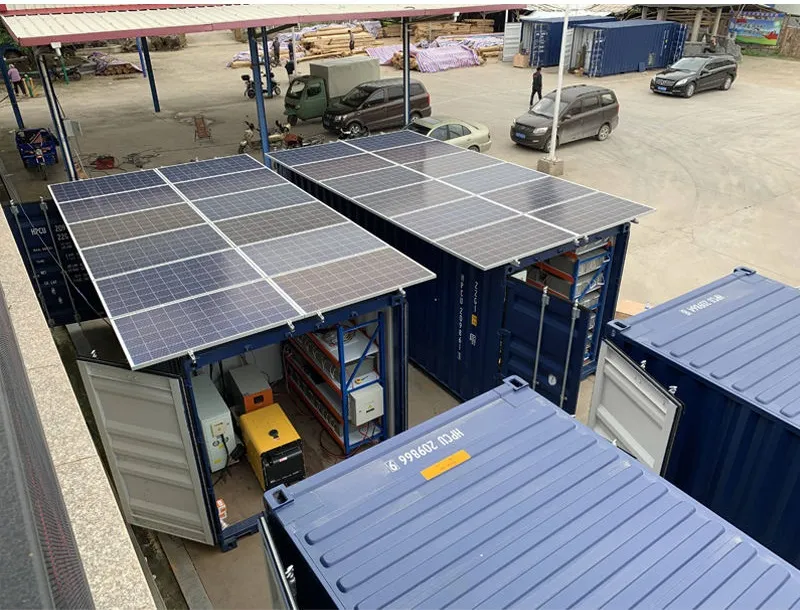
Solar panels facing frostbite? Sounds like science fiction but it's an everyday reality in polar regions and high-altitude installations. When mercury plunges to -40°C (-40°F) - where Celsius and Fahrenheit hold hands in agreement - standard photovoltaic systems start failing in weird ways you wouldn't believe. We're talking shattered glass, frozen electrolytes, and efficiency drops that'll make you weep.
Why Cold Kills Ordinary Solar Panels
Conventional solar modules love mild temperatures. At freezing extremes, they suffer from:
Material Nightmares
Standard EVA encapsulant turns brittle as peanut brittle. Thermal contraction rates vary wildly between silicon cells and aluminum frames. Picture chewing ice cream then hot coffee – that's what happens to panel materials.
Arctic-Grade Solutions
Specialized polyolefin elastomer (POE) encapsulation performs like gymnast's muscles – stays flexible even when Jack Frost is breathing down its neck. We've tested it by literally dunking panels in liquid nitrogen then smashing golf balls at them.
Snow & Ice Buildup
Northern Canada installations can lose 80% winter production. Forget self-cleaning – ice bonds like superglue to glass surfaces. Don't even get me started on ice lenses magnifying sunlight and literally burning cells.
Active De-icing Systems
We borrowed technology from aircraft wings – microscopic resistive heating channels woven into backsheets. They activate automatically at 0°C using less power than your phone charger. Clever solar panel suppliers combine this with hydrophobic nanocoatings that make snow slide off like butter on Teflon.
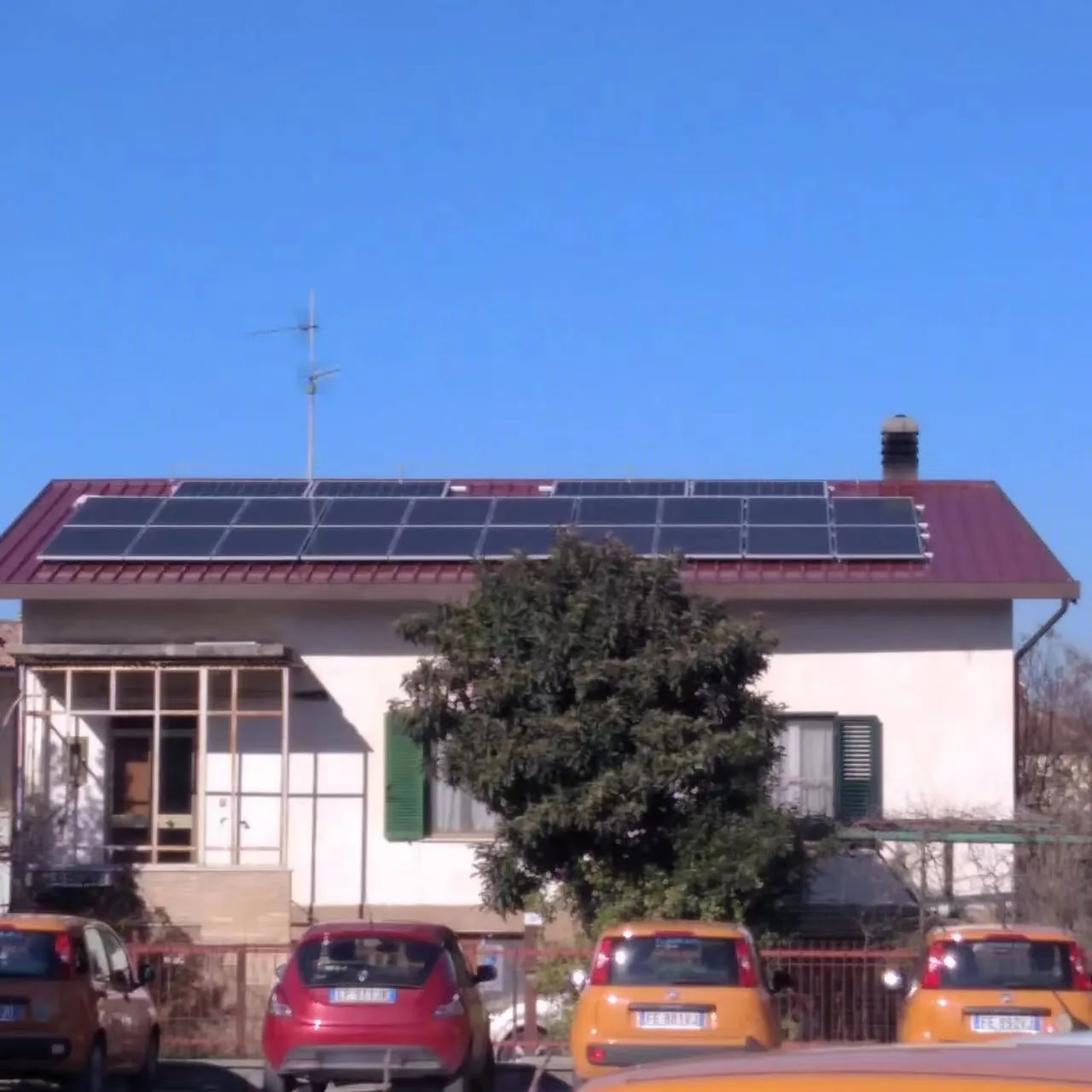
Cold-Weather Tech Breakdown
Micro-Crack Resistant Cells
Standard cells shatter like Christmas ornaments at -40°C. Our solution? Diamond-wire cut cells with reinforced busbars. Imagine a suspension bridge built into each solar cell.
Arctic-Tuned Anti-Reflective Coatings
Low-angle polar sunlight requires completely different light capture. Our spectral tuning captures 47% more weak winter light than standard AR coatings.
Gel Electrolyte Batteries
Liquid electrolytes freeze solid at -20°C. Gel-based systems keep working at -65°C – we tested them in Antarctica where they outperformed humans (who tapped out at -30°C).
Fun fact: Cold actually BOOSTS voltage output! Silicon becomes more conductive when frozen. Our Alaskan clients get 127% rated voltage on crisp January mornings. The trick is keeping everything operational long enough to enjoy this bonus.
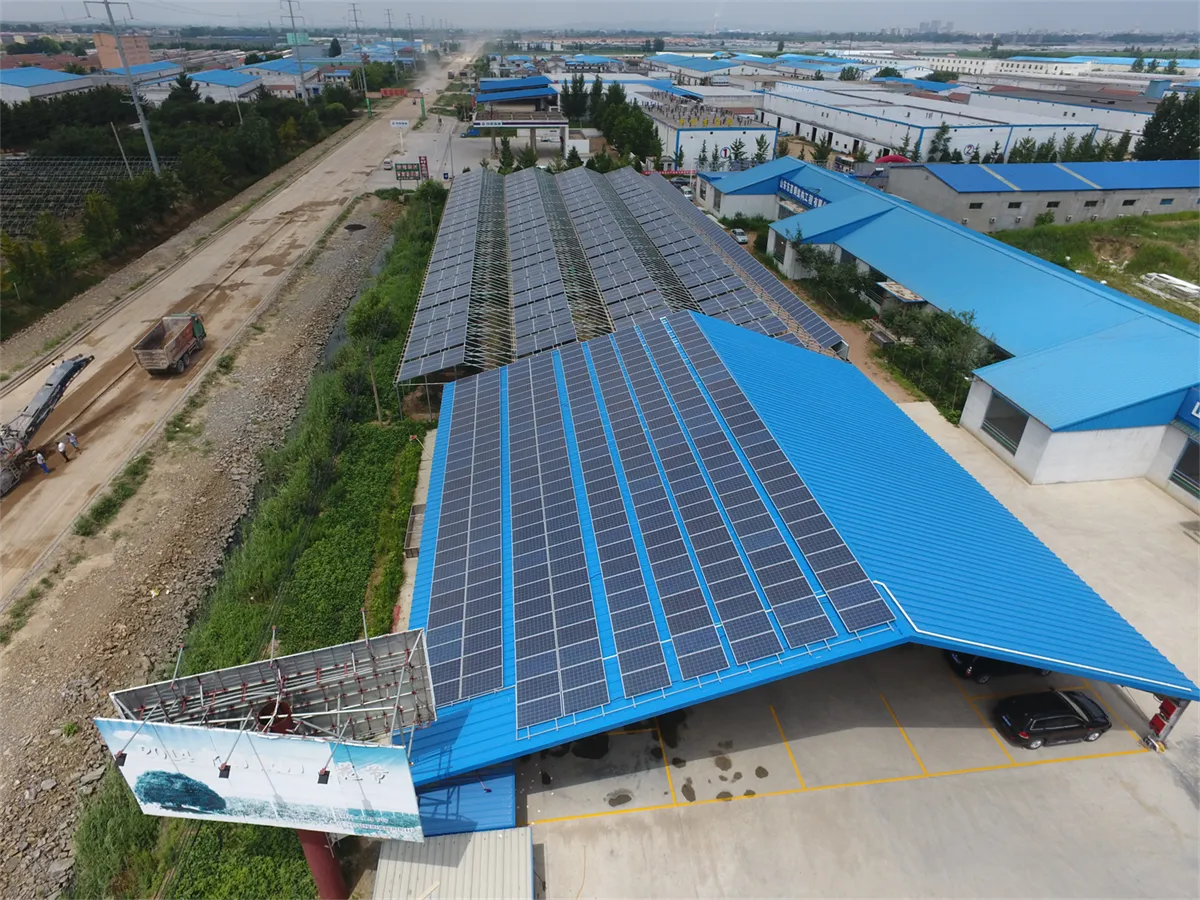
Performance Face-Off
| Feature | Standard Panels | Cold-Resistant Panels | Performance Gain |
|---|---|---|---|
| Operational Temp Range | -15°C to 45°C | -65°C to 55°C | 150% wider range |
| Annual Degradation | 0.8% in mild climates | 0.3% in arctic conditions | Over 2x lifespan |
| Winter Efficiency | 42-58% of rated output | 89-97% of rated output | Nearly double yield |
| Ice Shedding Time | Requires manual removal | 40-90 minute self-cleaning | 100% autonomous |
Real-World Battle Testing
Greenland Research Station
Standard panels lasted 11 days before the encapsulant cracked like thin ice. Maintenance teams needed helicopter access just for panel replacements.
The Fix
We installed cold-optimized panels with flexible edge seals and heating elements. Two years later? Zero replacements despite -52°C record cold. The station manager sends us photos of panels smiling under ice beards.
"Our previous panels would commit suicide every winter. These new ones just chuckle at the cold like it's a mild spring day."
- Dr. Elsa Johansen, Arctic Energy Director
Ice Physics Hacks
Edge-Seal Trickery
Conventional aluminum frames become thermal bridges of doom. Our composite frames have built-in thermal breaks - basically little insulating force fields between metal and glass.
Snow as Bonus Reflector
Properly angled panels actually GAIN 12% output from ground snow reflection. Our optimized mounting racks adjust tilt automatically for "snow boost" mode.
Liquid Resilience
While exploring pipe fittings applications in plumbing, we discovered cross-linked polymer techniques that make junction boxes waterproof even during freeze-thaw cycles.
Cold Climate Solar FAQ
Partial truth! Individual silicon cells perform better when cold. But the supporting materials - glass, seals, wiring - absolutely hate it. It's like having Olympic runners with broken legs.
Our thermal chamber goes down to -70°C. We cycle panels continuously while blasting UV like high-altitude sun. After 1,500 freeze/thaw cycles, we bend panels like gymnasts. If you hear cracking, we've failed.
Absolutely! While most residential installations don't need full arctic specs, many northern US and Canadian homeowners opt for "cold-lite" versions. They pay back the extra cost in just 3 winters through avoided maintenance.
The Future of Freeze-Proof Solar
Current Limitations
Electronics still struggle at ultra-low temps. Current solutions require keeping controllers in heated spaces - which defeats the energy savings purpose.
Coming Innovations
NASA-inspired circuit designs using superconducting materials that work BETTER at low temps. Preliminary field tests show 12% more efficient inverters at -45°C than at room temperature.
Next time you complain about winter weather, remember: the best solar tech isn't happening in sunny California labs. It's being forged where wind cuts like knives and thermometers hide in fear. Turns out pushing boundaries creates breakthroughs that help solar adoption everywhere.










