


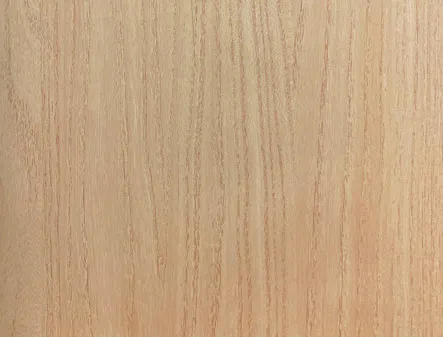
Picture this: You're walking through a space that feels warmly rustic yet modernly refined. The walls surround you with the rich, textured beauty of aged oak. The ceiling boasts elegant mahogany beams. Furniture displays walnut's intricate grains. Yet everything around you is marvelously weather-resistant, low-maintenance, and eco-friendly. How? You've entered the world of wood grain aluminum – where nature's artistry meets human innovation.
The Soulful Craft: Why Wood Grain Aluminum Captivates
We've all felt that magnetic pull toward natural wood. There's something deeply comforting about its organic patterns, like visual fingerprints telling stories of growth and time. Traditional wood delivers soul... but often sacrifices practicality. Warping in humidity, fading under sunlight, demanding constant upkeep – it's a high-maintenance relationship.
Enter aluminum's brilliant solution. By transferring wood's visual poetry onto metal's resilient canvas, we get the best of both worlds. Think of it as nature's artwork preserved under glass, but instead of glass, we're using advanced coating technologies that lock in beauty while shrugging off environmental challenges. This isn't imitation – it's evolution.
The magic happens through sophisticated printing and embossing processes. High-definition scans capture wood's authentic textures down to microscopic cracks and grain variations. These become digital blueprints guiding precision rollers that imprint the patterns onto aluminum coils with astonishing detail. Unlike paint that sits atop surfaces, this becomes one with the metal through baking and bonding processes. The result? You can run your fingers across it and feel the grain's authentic rise and fall.
The Color Spectrum: Nature's Palette Perfected
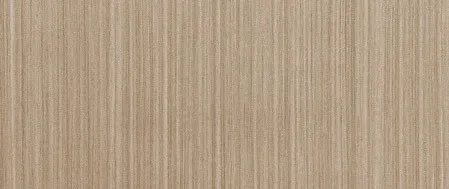
Wood grain aluminum isn't confined to basic browns. It's a full spectrum celebration of timber's chromatic diversity, carefully curated to suit different moods and design philosophies:
Classic Neutrals
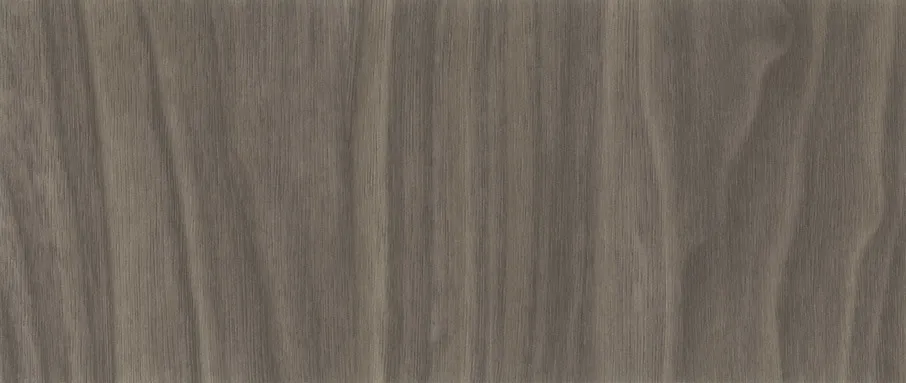
Imagine light oaks and ashes that create airy, open atmospheres. These honey-toned varieties work magic in smaller spaces, reflecting light while maintaining warmth. They're like visual deep breaths – calming and expansive.
Mid-Tone Charms
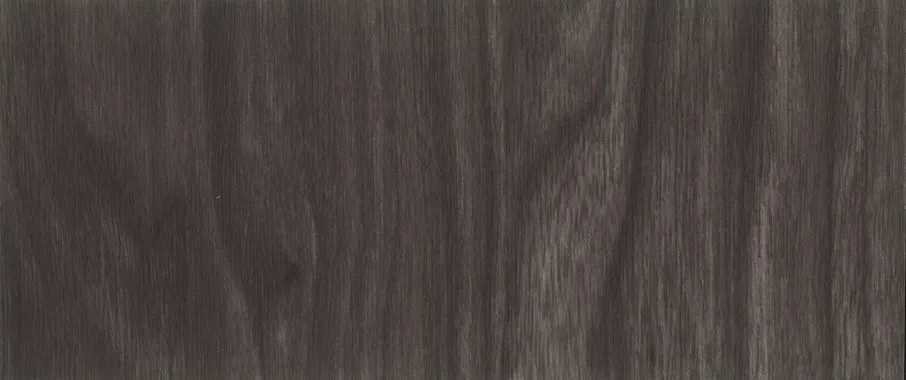
Here's where walnuts and acacias live. Rich without overwhelming, they strike that Goldilocks balance perfect for feature walls or cabinetry. Their reddish undertones add vibrance without shouting, creating sophisticated backdrops that play well with both bold and neutral accents.
Dark Drama
Ebony, espresso, and dark mahoganies anchor spaces with grounded elegance. These deeper hues create intimate atmospheres – think moody restaurants, cozy reading nooks, or accent features demanding attention. Applied vertically, they cleverly heighten ceilings; horizontally, they visually widen walls.
The subtle color variation within each "wood type" deserves special mention. Natural wood isn't monotonously uniform – sunlight plays differently across growth rings, creating luminous gradients. Quality aluminum wood grains replicate this organic inconsistency through micro-variations in staining techniques. This attention to detail prevents that unnerving "too perfect" look, delivering believable authenticity.
Splicing Patterns: The Invisible Art
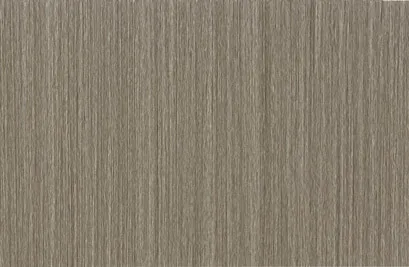
Splicing makes or breaks wood grain installations. Done poorly, it's like hearing a scratched record – jarring repetitions ruin the immersive experience. Done right, the joins disappear into continuous beauty. This requires understanding both visual rhythms and practical constraints:
Random Match Patterns
The most natural approach mimics wood's unpredictability. Each panel features unique grain sequences that blend seamlessly with neighbors. Installation resembles assembling a puzzle where all pieces naturally complement each other without obvious pattern repeats. This technique excels in large installations where mechanical repetition would become glaringly obvious.
Center Match Patterns
Imagine opening a book – symmetrical grain patterns flow outward from a central joint. This creates balanced, formal aesthetics perfect for architectural features like columns or symmetrical facades. The disciplined repetition brings orderly elegance, offering structured beauty rather than wild naturalism.
Running Match Patterns
Here, grain flows directionally across multiple panels like planks in hardwood flooring. This linear continuity guides eyes through spaces, enhancing perceptions of length in corridors or openness in large areas. The repeating rhythm creates comforting predictability while maintaining visual interest through grain variations within the pattern cycle.
Beyond pattern types, scale mastery matters. Splicing oversized grain patterns across narrow panels creates awkward visual choppiness. Conversely, undersized patterns on large expanses appear busy and unconvincing. Premium manufacturers calculate optimal pattern-to-panel ratios, considering viewing distances and installation contexts. A lobby viewed from 20 feet away warrants different scaling than kitchen cabinetry examined up close.
Full-Scale Customization: Your Vision, Precisely Realized
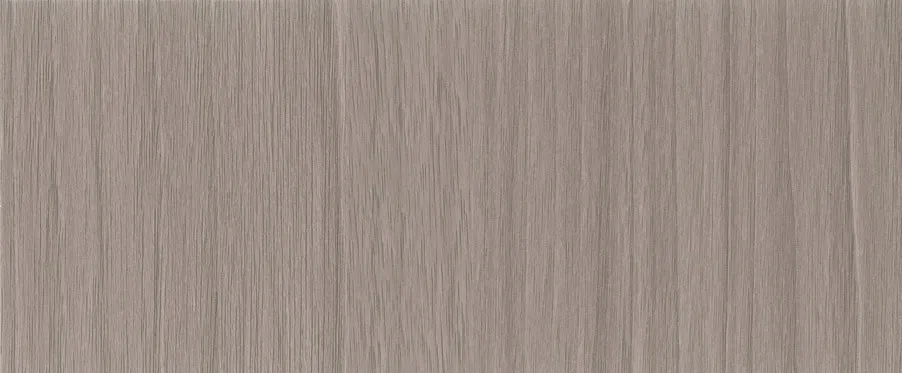
This is where wood grain aluminum transcends off-the-shelf solutions. True customization isn't just choosing colors – it's engineering specifications to fit unique creative and technical requirements:
Material Specifications
| Parameter | Customization Range |
|---|---|
| Alloy Composition | A1100 (pure aluminum for maximum formability), A3003 (manganese-enhanced for structural applications), A3005 (magnesium-enriched for superior strength) |
| Thickness Options | 0.04mm (delicate decorative applications) to 1.5mm (structural components), with 0.1mm precision increments |
| Coil Width | Standard 900mm or tailored widths from 200mm to 1500mm to minimize cut waste for specific applications |
| Core Inner Diameter | 76mm, 152mm, or custom sleeves for specialized uncoiling machinery |
Protective Coatings: Invisible Armor
The coating isn't just pretty paint – it's sophisticated chemistry engineered for longevity. Top-tier options include:
- PVDF (Polyvinylidene Fluoride) : The luxury sedan option. Exceptionally resistant to UV fading (maintains color integrity for 25+ years), chemical corrosion, and abrasion. Ideal for high-profile exterior applications.
- FEVE (Fluorinated Ethylene Vinyl Ether) Eco-friendly performer with self-cleaning properties. Resists pollution adhesion in urban environments while delivering color brilliance rivaling PVDF.
- HDPE (High-Density Polyethylene) : The value champion. Offers reliable outdoor performance for budget-conscious projects with 10-15 year durability expectations.
- PE (Polyester) : Indoor specialist. Beautiful finish options with excellent adhesion properties perfect for protected interior applications.
Custom Finishes: Beyond Color
Visual texture plays alongside color in defining character. Options range dramatically:
Matte Finishes absorb light softly, mimicking old-growth timber and hiding minor surface imperfections beautifully. They create serene, grounded atmospheres.
Satin Finishes strike the versatile middle ground – subtle sheen enhances wood grains without becoming reflective. Easy to maintain while looking richly sophisticated.
Semi-Gloss Finishes add contemporary vitality. They amplify depth perception within wood grains and create lively light interactions in sunlit spaces.
For truly distinctive projects, hybrid finishes combine textures. Imagine a walnut grain with satin field but matte grain valleys – tactile dimensionality that rewards close inspection.
Application Versatility: Where Wood Grain Aluminum Shines
The practical magic of wood grain aluminum reveals itself across diverse applications:
Exterior Mastery
Facade Cladding: Transforms buildings into natural landmarks without wood's vulnerability. Commercial buildings with textured wood grain facades project warmth while resisting weather extremes.
Column Wrapping: Structural elements become design features. Concrete pillars clad in rich mahogany patterns soften urban environments while hiding functional infrastructure.
Interior Design
Custom Cabinetry: Kitchen and bathroom cabinets in light oak grains maintain pristine appearances despite moisture exposure. No warping, no cracking.
Feature Ceilings: Veneered wood-look panels in reclaimed barn wood patterns add character depth above. Lightweight installation avoids structural concerns.
Furniture Innovation
Retail Displays: Fixtures with consistent, durable wood aesthetics. Custom branding integration through pattern and stain customization.
Hospitality Accents: Dark ebony bar fronts, walnut-toned wall panels, reception desks in tiger wood grains – all immune to drink spills and scratches.
The Practical Poetry: Why Designers Choose Wood Grain Aluminum
The emotional resonance of wood meets unbeatable functionality:
- Climate Resilience: Performs flawlessly from -40°C to 120°C, unaffected by humidity cycling. Tropical resorts and alpine lodges maintain consistent beauty.
- Environmental Responsibility: 100% recyclable while conserving forestry resources. Low production footprint compared to logging, transporting, and finishing lumber.
- Fire Safety Excellence: Achieves Class A fire ratings – non-combustible with minimal smoke generation. Critical for crowded spaces like theaters or hospitals.
- Economic Sense: 50-year lifespan minimizes replacement cycles. Energy-efficient manufacturing lowers initial costs compared to exotic hardwoods.
- Design Consistency: Unlimited matching panels for large-scale or phased projects – impossible with natural wood.
The Artisan Process: Behind the Wood Grain Magic
Crafting authentic wood grain aluminum involves sophisticated alchemy:
Material Alchemy
Base aluminum coils are cleaned to molecular-level purity using alkaline washes and acid rinses. This pristine surface becomes the canvas for coating adhesion.
Priming Perfection
Chrome-free pretreatment systems create microscopically textured surfaces that mechanically lock coatings in place – the unsung hero preventing delamination.
Wood Grain Transfer
Base colors roll on uniformly before engraved cylinders transfer wood patterns with pressures precisely calibrated to replicate authentic depth. The ballet of machinery requires nanometer precision for believable character.
The Baking Crucible
Passing through 200°C+ ovens doesn't just dry coatings – it transforms chemistry. Resins cross-link into dense molecular matrices, creating surfaces harder than oak but maintaining flexibility. This is where protective magic happens.
Architects increasingly specify wood grain aluminum for both interior and exterior decoration materials due to its unique blend of aesthetic authenticity and environmental resilience. Its fire ratings, durability, and customization options outperform many competing solutions.
Future Evolution: What's Next in Wood Grain Tech
The innovation journey continues with exciting developments:
Dynamic Color Responses
Experimental thermochromatic coatings subtly shift hues with temperature changes. Imagine facade panels that lighten during hot afternoons or darken on cool evenings, creating organic conversations with weather.
Integrated Sustainability
Research into photocatalytic nano-coatings could allow future wood grain aluminum to actively purify surrounding air, breaking down pollutants when exposed to sunlight.
Hyperreal Texture
3D laser engraving techniques create grain patterns with authentic depth variation from deep knots to shallow pore structures. Tactile exploration delivers multi-sensory experiences beyond visual imitation.
Bringing Designs to Life
Creating with wood grain aluminum means embracing new design languages. Where traditional wood might constrain vision due to availability or performance limitations, this material offers liberation. Consider these inspirational applications:
Vertical Forest Effect: Urban facades combining multiple wood species patterns create artificial forest elevations – sustainable vertical biophilia enhancing city living.
Textural Contrasts: Pairing brushed steel with deep walnut grains creates sophisticated material dialogues in hospitality interiors.
Artisanal Visions: Custom patterns crafted from designer sketches or scanned material samples become possible without technical compromises.
From concept to completion, the collaboration process centers on shared vision. Technical experts translate aesthetic desires into achievable specifications. Material scientists select optimal alloys and coatings. Production engineers program unique patterning sequences. The result? Beautiful solutions that endure aesthetically and physically.
Conclusion: The Timber of Tomorrow
Wood grain aluminum represents more than material innovation – it's a philosophy of balancing beauty and responsibility. It offers warmth without waste, character without compromise, and natural essence without ecological burden. As we shape future spaces, this remarkable synthesis of nature's beauty and human ingenuity will continue redefining design possibilities, proving aesthetics and ethics can coexist beautifully. The wood grain revolution is here, and it’s inviting us all to build with conscience and creativity.










